Vinyl Shake Siding A Complete Guide
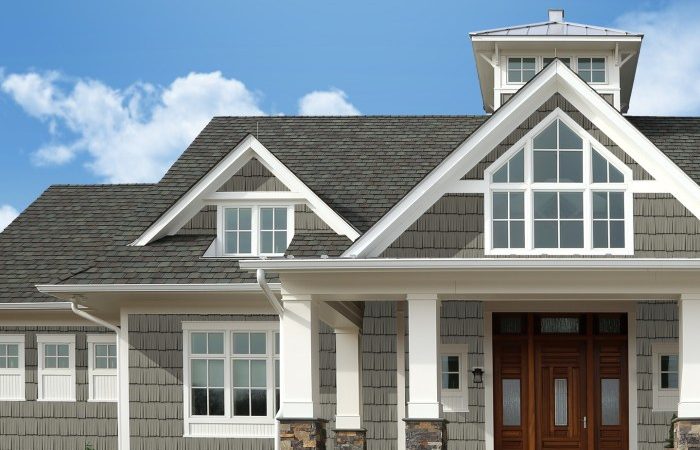
Vinyl shake siding offers a low-maintenance, attractive alternative to traditional wood shakes. This guide dives into everything you need to know about this popular exterior cladding, from material properties and installation techniques to design considerations and long-term value. We’ll explore the various types available, compare it to other siding options, and even discuss its environmental impact. Get ready to become a vinyl shake siding expert!
We’ll cover the pros and cons, helping you decide if vinyl shake siding is the right choice for your home improvement project. From choosing the right color and texture to understanding the installation process and long-term maintenance, we aim to provide a comprehensive overview that leaves no stone unturned.
Vinyl Shake Siding
Vinyl shake siding offers a durable and attractive alternative to traditional wood shake, providing the aesthetic appeal of natural wood with lower maintenance requirements. It’s a popular choice for homeowners seeking a cost-effective and long-lasting exterior cladding solution.
Vinyl Shake Siding Composition and Manufacturing
Vinyl shake siding is primarily composed of polyvinyl chloride (PVC), a thermoplastic polymer. The manufacturing process involves mixing PVC resin with various additives to enhance properties like color stability, impact resistance, and UV protection. These additives can include stabilizers, lubricants, pigments, and fillers. The mixture is then extruded into the desired shake profile, often mimicking the look of natural cedar or other wood shakes. This extrusion process creates long lengths of siding which are then cut to the appropriate sizes. Finally, the siding undergoes quality control checks before packaging and distribution.
Durability Comparison of Exterior Cladding Materials
Vinyl shake siding boasts impressive durability compared to other exterior cladding options. However, the optimal choice depends on individual needs and preferences. The following table provides a comparison:
| Material | Lifespan (Years) | Maintenance Requirements | Cost (Relative) |
|---|---|---|---|
| Vinyl Shake Siding | 20-50+ | Low; occasional cleaning | Medium |
| Wood Shake Siding | 15-30 | High; regular staining, sealing, and potential repairs | High |
| Fiber Cement Siding | 30-50+ | Medium; periodic cleaning and painting | High |
| Aluminum Siding | 30-50+ | Low; occasional cleaning | Medium-High |
Note: Lifespan and cost are estimates and can vary based on factors such as climate, installation quality, and product specificities.
Grades and Types of Vinyl Shake Siding
Vinyl shake siding is available in various grades and types, offering diverse options in thickness, texture, and color. Higher-grade sidings generally feature thicker profiles, resulting in increased durability and resistance to impact damage. Texture variations range from subtle to deeply embossed, accurately mimicking the appearance of real wood shakes. Color options are extensive, offering a wide palette to match any home’s architectural style and personal preference. For instance, some manufacturers offer a range from traditional earth tones to more modern, bolder shades. Thickness differences can significantly affect the overall strength and longevity of the siding; thicker profiles tend to resist dents and warping better than thinner ones.
Vinyl Shake Siding
Vinyl shake siding offers a durable and attractive alternative to traditional wood shake, mimicking the rustic charm without the high maintenance. Its ease of installation and low upkeep make it a popular choice for homeowners. This section details the installation process and guides maintaining your vinyl shake siding for years to come.
Vinyl Shake Siding Installation
Proper installation is key to ensuring the longevity and aesthetic appeal of your vinyl shake siding. Careful preparation and attention to detail will prevent common problems and guarantee a professional-looking finish.
- Preparation: Before starting, ensure the underlying wall surface is clean, dry, and free from any loose debris or damaged areas. Repair any significant imperfections in the wall sheathing. You’ll also need to establish a consistent starting point for your first course of siding.
- Cutting: Use a sharp utility knife or tin snips to cut the vinyl shake siding to the required lengths. Accurate measurements are crucial for a neat and professional appearance. Remember to account for overlaps and any necessary adjustments around windows and doors.
- Fastening: Vinyl shake siding is typically fastened using nails or staples driven into the pre-punched holes. Avoid overdriving the fasteners, as this can damage the siding. Consistent spacing is important for a uniform look and to allow for expansion and contraction.
- Finishing: Once all the siding is installed, inspect for any gaps or misalignments. Use appropriate caulking to seal any gaps around windows, doors, and corners. Proper sealing prevents water damage and improves the overall aesthetic appeal.
Troubleshooting Vinyl Shake Siding Installation
Even with careful planning, problems can arise during installation. Being prepared for common issues will save time and frustration.
- Improper Overlap: Insufficient overlap can lead to water penetration. Correct this by removing the affected sections and reinstalling them with the proper overlap.
- Nail Pops: Nails that pop out are a common problem. This usually indicates the siding wasn’t properly fastened or that the underlying wall wasn’t adequately prepared. Remove the popped nail, and re-nail the siding using longer fasteners if necessary.
- Damaged Siding: Avoid using damaged siding. Inspect each piece before installation and discard any damaged or warped pieces. Replacing damaged sections after installation is more difficult and time-consuming.
Vinyl Shake Siding Maintenance
Regular maintenance is essential to preserve the beauty and longevity of your vinyl shake siding. A simple maintenance schedule can help you avoid costly repairs.
| Timeline | Task |
|---|---|
| Annually | Inspect siding for any damage, loose fasteners, or signs of water damage. Clean siding with a garden hose and mild detergent. |
| Every 2-3 Years | More thorough cleaning using a pressure washer (low pressure setting). Inspect caulking around windows and doors and re-caulk as needed. |
| As Needed | Repair any damaged sections promptly. Replace loose or damaged fasteners. |
Vinyl Shake Siding
Source: cloudfront.net
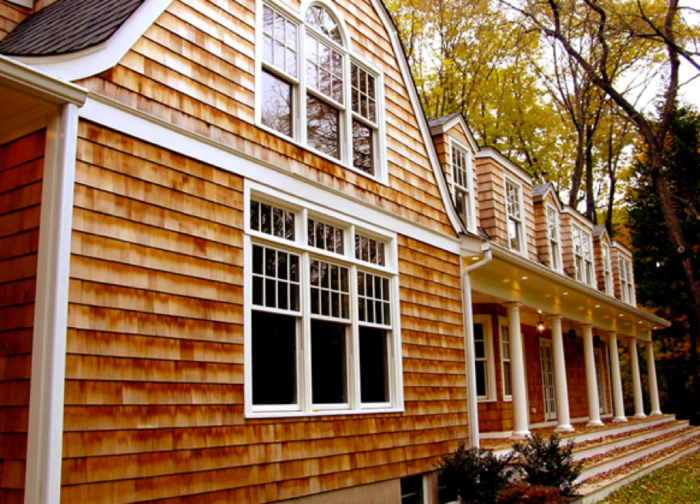
Vinyl shake siding offers a fantastic blend of low-maintenance practicality and aesthetically pleasing design, making it a popular choice for homeowners. It successfully mimics the look of natural wood shake, but without the hefty price tag and demanding upkeep. This section delves into the design aspects and aesthetic versatility of vinyl shake siding.
Vinyl Shake Siding Styles and Patterns
The variety in styles and patterns available for vinyl shake siding allows for significant customization, enabling homeowners to achieve a wide range of architectural looks. Different profiles create distinct visual effects, impacting the overall feel of a home, from rustic charm to modern sophistication.
- Traditional Shake: This style replicates the classic look of hand-hewn cedar shakes, with irregular lengths and slightly rough textures. It’s ideal for homes aiming for a timeless, rustic appeal.
- Shingle Style: Offers a more uniform and slightly flatter profile than traditional shake, creating a cleaner, more refined appearance. This is suitable for homes with a more contemporary or transitional style.
- Scalloped Shake: This variation features a distinctive scalloped edge on each shake, adding a touch of elegance and visual interest. It’s a great choice for homeowners looking for a slightly more ornate look.
Visual Appeal: Vinyl vs. Natural Shake Siding
Vinyl and natural shake siding each offer unique visual characteristics. Natural cedar shake provides a truly organic and varied appearance, with unique colorations and textures in each piece. However, this natural variation also means more significant upkeep and potential for inconsistencies. Vinyl shake siding, on the other hand, provides a consistent and predictable look, with minimal maintenance requirements. While it may lack the unique character of natural wood, it offers a reliable and long-lasting alternative. The advantage of vinyl is its durability and low maintenance; the disadvantage is that it might appear slightly less authentic.
Color and Texture Enhancements for Curb Appeal
The color and texture of vinyl shake siding significantly impact a home’s curb appeal. Careful selection can dramatically enhance the overall aesthetic and harmonize with the surrounding landscape.
Dark Brown: A dark brown vinyl shake siding exudes a rich, sophisticated look, often evoking feelings of warmth and rustic elegance. It pairs well with stone accents and landscaping featuring deep greens and earthy tones, creating a visually grounded and inviting exterior.
Light Grey: Light grey vinyl shake siding offers a clean, modern aesthetic. Its neutral tone complements a variety of architectural styles and color palettes, allowing for flexibility in landscaping and other exterior design choices. It projects a sense of calm and sophistication.
Beige: A beige vinyl shake siding provides a versatile and timeless option. It’s a neutral tone blends seamlessly with various surroundings, creating a classic and understated appeal. It’s a great choice for those seeking a low-maintenance yet aesthetically pleasing solution.
Vinyl Shake Siding
Source: pjfitz.com
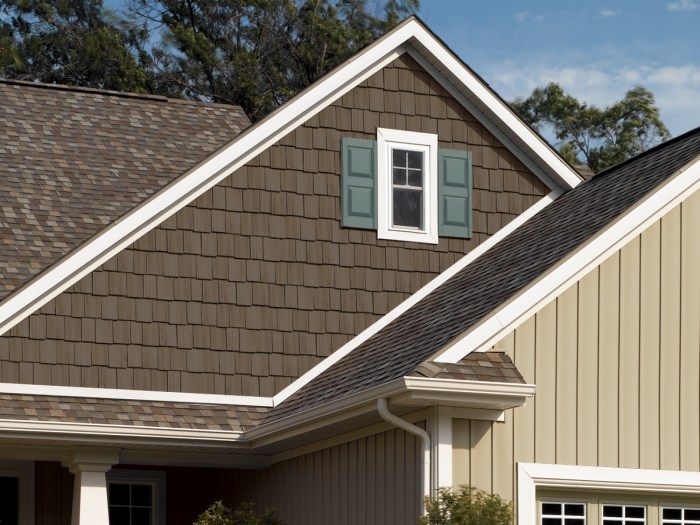
Vinyl shake siding offers a durable and aesthetically pleasing alternative to traditional wood shake, providing a rustic look without the high maintenance. It’s a popular choice for homeowners seeking a blend of style and practicality.
Vinyl Shake Siding Cost Factors
Several factors contribute to the overall cost of vinyl shake siding. Understanding these will help you budget effectively for your project. The following table summarizes key cost influencers:
| Factor | Impact on Cost | Example | Considerations |
|---|---|---|---|
| Material Quality | Higher quality materials generally cost more but offer superior durability and longevity. | Premium vinyl shakes with thicker profiles and enhanced UV protection will be pricier than basic options. | Consider the warranty offered and the manufacturer’s reputation. |
| Installation Complexity | Complex rooflines, intricate detailing, and large surface areas increase labor costs. | A house with many dormers and gables will be more expensive to build than a simple ranch-style home. | Get multiple quotes from installers, clearly outlining the scope of work. |
| Regional Variations | Labor costs and material availability vary geographically. | Installation in a high-demand area with skilled labor shortages will likely be more expensive than in a rural area. | Research average costs in your specific region before starting the project. |
| Siding Style and Color | More elaborate shake profiles and custom colors can increase costs. | A deeply textured shake with a multi-toned color scheme will generally cost more than a simpler, single-color option. | Choose a style and color that balances your budget with your aesthetic preferences. |
Vinyl Shake Siding Long-Term Cost-Effectiveness
Compared to other exterior cladding options, vinyl shake siding often proves cost-effective in the long run. While the initial investment might be comparable to or slightly higher than some alternatives like fiber cement, vinyl requires significantly less maintenance. This translates to lower long-term costs associated with repairs, repainting, and replacements. For instance, wood shake requires regular staining or painting to prevent rot and insect damage, significantly increasing its overall lifetime cost. Fiber cement, while durable, can be more expensive upfront and more challenging to install.
Vinyl Shake Siding and Home Value
Vinyl shake siding can positively impact a home’s value and resale potential. Its attractive appearance and low-maintenance nature are appealing to many buyers. A well-maintained home with attractive siding is more likely to command a higher price in the real estate market. For example, a home with updated vinyl shake siding might sell faster and for a higher price than a comparable home with outdated or damaged siding. The improved curb appeal contributes directly to the property’s overall marketability.
Vinyl Shake Siding
Source: amazonaws.com
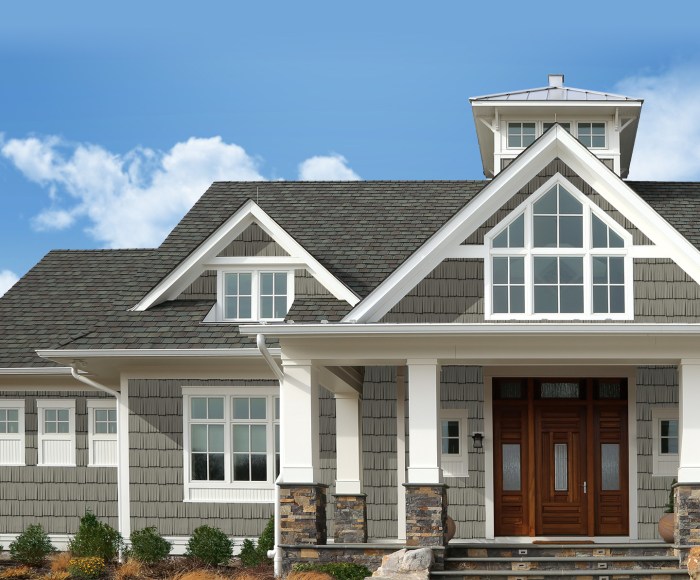
Vinyl shake siding offers a low-maintenance, aesthetically pleasing alternative to traditional wood shake. However, understanding its environmental impact is crucial for making informed decisions about home improvement. This section will explore the environmental considerations associated with the manufacturing, use, and disposal of vinyl shake siding.
Environmental Impact of Vinyl Shake Siding Manufacturing and Disposal
The manufacturing process of vinyl siding involves the use of polyvinyl chloride (PVC), a plastic derived from petroleum. This process is energy-intensive and contributes to greenhouse gas emissions. Furthermore, the production of PVC often involves the use of volatile organic compounds (VOCs) which can be harmful to both human health and the environment. Disposal of vinyl siding presents another environmental challenge. Because it’s a durable material, vinyl siding doesn’t readily biodegrade. Landfilling vinyl siding contributes to the growing problem of plastic waste in landfills, and incineration releases harmful byproducts into the atmosphere. The environmental impact is therefore significant throughout its entire lifecycle.
Comparison to Other Siding Materials
Compared to other siding materials, vinyl shake siding presents a mixed environmental profile. Wood siding, while a renewable resource, requires significant energy for harvesting, processing, and transportation. The environmental impact of wood siding can also vary significantly depending on the species of wood used and its source. In contrast, metal siding (e.g., aluminum or steel) has a high upfront energy cost in manufacturing but is highly recyclable. Fiber cement siding offers a good balance, being durable, relatively low-maintenance, and possessing some degree of recyclability. The best choice ultimately depends on a variety of factors, including the specific environmental impact of sourcing materials in a given region and the overall lifespan of the product.
Recyclability and Sustainability Aspects of Vinyl Shake Siding
The recyclability of vinyl shake siding is limited. While some recycling programs accept vinyl, the process is often complex and not widely available. The lack of widespread recycling infrastructure contributes to the significant amount of vinyl siding ending up in landfills. The sustainability of vinyl shake siding is also questionable due to its reliance on non-renewable resources and its relatively long lifespan before decomposition. Efforts are being made to develop more sustainable PVC formulations and to improve recycling processes, but significant advancements are still needed to make vinyl siding a truly sustainable building material. For example, some manufacturers are exploring the use of recycled PVC content in new siding products, representing a small step towards greater sustainability.
Epilogue
Ultimately, vinyl shake siding presents a compelling option for homeowners seeking a durable, aesthetically pleasing, and relatively affordable exterior cladding. While it’s crucial to weigh the pros and cons against other materials and consider the long-term costs, the ease of maintenance and wide array of styles make it a strong contender. By understanding the nuances of installation, maintenance, and design choices, you can confidently make an informed decision that enhances your home’s curb appeal and value for years to come. Remember to factor in your specific needs and budget to ensure the best possible outcome.
Query Resolution
Can vinyl shake siding be painted?
Generally, no. Vinyl siding is manufactured with color infused into the material. Painting can void warranties and may not adhere properly.
How does vinyl shake siding handle extreme weather?
High-quality vinyl siding is designed to withstand a wide range of temperatures and weather conditions, including heavy rain, snow, and strong winds. However, severe hail or impacts can cause damage.
Is vinyl shake siding susceptible to fading?
Some fading can occur over time, especially with prolonged sun exposure. UV-resistant additives in higher-quality vinyl help mitigate this.
What’s the warranty typically offered on vinyl shake siding?
Warranties vary by manufacturer but typically cover defects in materials and workmanship for a period of 20-30 years or more.
How difficult is it to repair damaged vinyl shake siding?
Minor damage can often be repaired by replacing individual panels. For more extensive damage, professional help may be necessary.
Comments are closed.