Stucco Siding A Comprehensive Guide
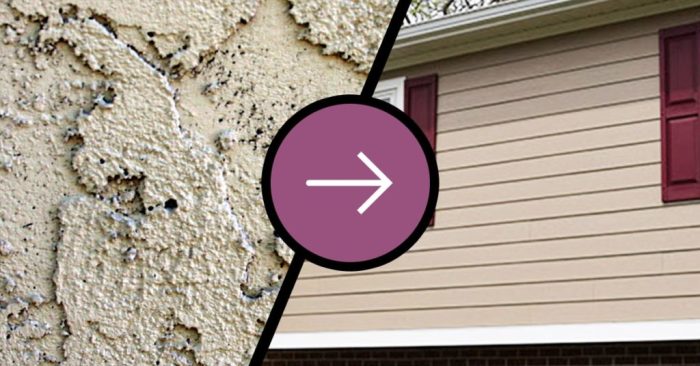
Stucco siding offers a durable and aesthetically pleasing exterior cladding option for homes. This guide dives into everything you need to know, from choosing the right materials and understanding installation techniques to mastering maintenance and appreciating the design possibilities. We’ll cover the various types of stucco, their costs, and even their environmental impact, ensuring you’re fully informed before embarking on your stucco siding project.
Whether you’re a seasoned DIYer or simply curious about this versatile building material, this guide provides a clear and practical overview. We’ll break down complex processes into manageable steps, making the process less daunting. Get ready to explore the world of stucco siding!
Stucco Siding Materials
Stucco siding offers a durable and aesthetically pleasing exterior for homes. Understanding the different stucco types, compositions, and performance characteristics is crucial for making informed decisions during construction or renovation. This section will detail the various materials used in stucco siding, highlighting their strengths and weaknesses.
Types of Stucco
Stucco is broadly categorized based on its cement type and application method. The most common types are Portland cement stucco, acrylic stucco, and synthetic stucco (often mistakenly called EIFS, or Exterior Insulation and Finish Systems). Each type has a unique composition that affects its performance and longevity.
Portland Cement Stucco Composition
Portland cement stucco is the traditional type, known for its strength and durability. It’s composed primarily of Portland cement, sand, lime, and water. The cement acts as the binder, holding the aggregate (sand) together. Lime improves workability and reduces cracking. Water is the crucial element that initiates the hydration process, hardening the mixture. Admixtures, such as accelerators or retarders, can be added to control setting time and improve other properties.
Acrylic Stucco Composition
Acrylic stucco utilizes an acrylic polymer as the binder instead of Portland cement. This results in a more flexible and less brittle material compared to Portland cement stucco. It typically contains acrylic polymer emulsion, sand, and water. The acrylic polymer provides superior crack resistance and waterproofing capabilities. Admixtures might be included to enhance specific properties, such as color stability or water repellency.
Synthetic Stucco (EIFS) Composition
Synthetic stucco, often referred to as EIFS, is a multi-layered system. It consists of a base coat, a reinforcing mesh, and a finish coat. The base coat often includes expanded polystyrene insulation, while the finish coat might be acrylic or other polymers. The reinforcing mesh provides structural integrity and prevents cracking. While offering good insulation properties, it’s crucial to ensure proper installation to prevent moisture problems, as it can be more prone to moisture damage than other stucco types if improperly installed.
Durability and Longevity Comparison
Portland cement stucco, when properly installed and maintained, offers excellent durability and longevity, lasting for decades. Acrylic stucco also boasts high durability and is more resistant to cracking, but it can be more expensive. Synthetic stucco’s durability depends heavily on proper installation; if moisture penetrates the system, it can lead to significant damage and reduced lifespan.
Stucco Finishes and Textures
A wide variety of finishes and textures are available for stucco siding. Common finishes include smooth, textured, and dash finishes. Textures can range from fine to coarse, depending on the aggregate size and application method. The choice of finish and texture significantly impacts the aesthetic appeal of the siding. Examples include a smooth trowel finish for a clean, modern look, or a heavy sand-dash finish for a more rustic appearance.
Stucco Siding Material Comparison
| Material | Durability | Cost | Maintenance |
|---|---|---|---|
| Portland Cement Stucco | High (50+ years with proper maintenance) | Moderate | Moderate (periodic cleaning, repair of minor cracks) |
| Acrylic Stucco | High (40+ years) | High | Low (less prone to cracking, requires less frequent repairs) |
| Synthetic Stucco (EIFS) | Moderate (Highly dependent on proper installation; can be significantly reduced by moisture issues) | Moderate to High | Moderate to High (requires careful inspection and prompt repair of any damage) |
Stucco Siding Installation
Installing stucco siding is a multi-step process requiring careful preparation and execution to ensure a durable and aesthetically pleasing finish. Proper technique is crucial to prevent cracking, water damage, and other issues that can significantly reduce the lifespan of your siding. This section details the installation process, necessary tools, substrate preparation, achieving a smooth finish, and a helpful checklist.
Necessary Tools and Equipment
The tools and equipment needed for stucco siding installation vary depending on the project’s scale and complexity. However, a basic set includes a wheelbarrow, mixing tubs, shovels, a power mixer (for larger projects), hawk and trowel (various sizes for different applications), a spray bottle, a plumb bob, a level, measuring tapes, screwdrivers, safety glasses, work gloves, and possibly scaffolding or ladders depending on the height of the structure. Specialized tools such as a stucco sprayer might be employed for larger commercial projects to improve efficiency. For finishing, you might need different textures tools. Remember to always prioritize safety by wearing appropriate personal protective equipment (PPE).
Substrate Preparation
Proper substrate preparation is paramount for successful stucco installation. The surface must be clean, dry, and free from any loose materials, dust, or debris. Any cracks or imperfections in the underlying wall (whether wood, concrete, or masonry) should be repaired using appropriate patching materials and allowed to cure completely before proceeding. A moisture barrier, such as a waterproof membrane, is usually applied to prevent moisture penetration. This is particularly crucial in areas with high humidity or rainfall. The substrate should be primed with a bonding agent to enhance the stucco’s adhesion. This ensures a strong and long-lasting bond between the stucco and the wall.
Stucco Application Process
Stucco application typically involves three coats: the scratch coat, the brown coat, and the finish coat. The scratch coat is a base layer applied directly to the prepared substrate. This layer is textured to provide a mechanical bond for subsequent coats. The brown coat is thicker and fills any imperfections in the scratch coat, creating a relatively smooth surface. This coat is allowed to dry partially before applying the final finish coat. The finish coat provides the desired texture and color to the stucco siding. This final coat can be applied using various techniques to achieve different finishes, such as a smooth, textured, or dashed finish. Proper drying time between coats is essential to prevent cracking and ensure a strong bond.
Achieving a Smooth and Even Stucco Finish
Achieving a smooth and even stucco finish requires skill and practice. Consistent trowel pressure and technique are vital. Using the correct tools and having the right consistency of the stucco mix are key factors. For a smooth finish, the final coat is applied in thin, even layers, and carefully smoothed using a trowel. For textured finishes, specialized tools are used to create the desired pattern. It’s important to work in small sections, ensuring each layer is completely dry before moving on to the next. Regularly check for consistency and address any imperfections immediately. Paying attention to details and working methodically will ensure a professional and lasting finish.
Stucco Siding Installation Checklist
- Inspect and prepare the substrate: Clean, repair cracks, apply moisture barrier, and prime.
- Gather all necessary tools and equipment.
- Mix stucco according to manufacturer’s instructions.
- Apply the scratch coat, ensuring proper texture and coverage.
- Allow the scratch coat to dry partially before applying the brown coat.
- Apply the brown coat, ensuring a smooth and even surface.
- Allow the brown coat to dry before applying the finish coat.
- Apply the finish coat, using appropriate techniques for the desired texture.
- Allow sufficient drying time before exposure to rain or extreme temperatures.
- Inspect the finished stucco for any imperfections and make necessary repairs.
Stucco Siding Maintenance and Repair
Source: angi.com
Keeping your stucco siding in top shape involves regular maintenance and prompt repairs. Neglecting these aspects can lead to costly repairs down the line and compromise the aesthetic appeal and protective qualities of your home’s exterior. This section will guide you through identifying common problems, performing minor repairs, and establishing a maintenance schedule to ensure your stucco lasts for years to come.
Common Stucco Siding Problems
Stucco, while durable, is susceptible to damage from various factors, including weather, age, and poor installation. Common issues include cracking, discoloration, and efflorescence (a white, powdery deposit). Cracks can range from hairline fractures to significant splits, often appearing around windows, doors, or corners where movement is more pronounced. Discoloration might result from algae growth, water stains, or fading due to sun exposure. Efflorescence indicates salt deposits rising to the surface due to moisture penetration, a sign of potential underlying issues. Addressing these problems promptly is key to preventing further damage.
Repairing Minor Cracks and Damage
Minor cracks can often be repaired with relative ease. For hairline cracks, a high-quality acrylic caulk, matched to the stucco color, is typically sufficient. Clean the crack thoroughly, apply the caulk smoothly, and tool it to match the stucco texture. For larger cracks, you may need to use a patching compound designed for stucco. This involves carefully removing loose material around the crack, applying the compound, allowing it to dry completely, and then sanding and painting to blend it seamlessly with the existing stucco. Remember to always choose repair materials that are compatible with your existing stucco type. For significant damage, consulting a professional stucco contractor is recommended.
Cleaning and Maintaining Stucco Siding
Regular cleaning is crucial for maintaining the appearance and longevity of your stucco siding. A simple power washing once or twice a year can remove dirt, grime, and algae. Use a low-pressure setting to avoid damaging the stucco surface. For stubborn stains, consider using a stucco-safe cleaning solution. Always rinse thoroughly after cleaning to prevent any residue buildup. Regularly inspecting your siding for cracks, loose areas, or signs of water damage will allow for prompt repairs, preventing minor problems from escalating into larger, more expensive issues.
Stucco Siding Inspection and Maintenance Schedule
A proactive approach is essential for maintaining your stucco siding. A thorough inspection should be conducted at least twice a year, in spring and fall. This allows you to identify and address minor issues before they become major problems. Your spring inspection should focus on damage caused by winter weather, while the fall inspection should check for problems that may have developed during the summer months. Regular cleaning, as mentioned above, should also be included in your maintenance schedule. This preventative maintenance will significantly extend the lifespan of your stucco siding.
Selecting Appropriate Repair Materials
Choosing the right repair materials is critical for successful stucco repairs. For minor cracks, acrylic caulk is generally sufficient. For larger cracks or holes, stucco patching compound is necessary. The patching compound should be compatible with the existing stucco type (e.g., Portland cement stucco, acrylic stucco). When choosing a color match, always test it on a less visible area first. For efflorescence, a specialized cleaning solution designed to remove salt deposits is recommended. If you’re unsure about which materials to use, consult a professional for guidance to ensure the proper repair and prevent further damage.
Stucco Siding Design and Aesthetics
Stucco siding offers a unique blend of durability and aesthetic versatility, making it a popular choice for homeowners seeking a visually appealing and long-lasting exterior. However, like any building material, it has both advantages and disadvantages that should be carefully considered before making a decision. Understanding these aspects is crucial for achieving the desired look and feel for your home.
Stucco’s aesthetic benefits and drawbacks are multifaceted. Its inherent plasticity allows for a wide range of textures and colors, creating visually interesting surfaces. The smooth, clean lines of a well-applied stucco finish can lend a modern, minimalist feel, while a more textured application can evoke a rustic or traditional charm. However, stucco can be prone to cracking if not properly installed and maintained, and the monolithic appearance might not appeal to everyone. Repairing damaged stucco can also be more involved than repairing other siding materials.
Stucco Siding Compared to Other Cladding Options
Stucco offers a compelling alternative to other exterior cladding materials. Compared to wood siding, stucco requires less maintenance and is more resistant to insect damage and rot. Unlike vinyl siding, stucco provides a more substantial and less artificial look. While brick offers similar durability, stucco often presents a more affordable option, especially for large projects. However, stucco may not be as easily customizable in terms of individual panel replacement as some other options. The initial installation cost might also be higher than vinyl or some types of wood siding.
Architectural Styles that Utilize Stucco Siding
Stucco’s adaptability makes it suitable for a variety of architectural styles. Mediterranean homes frequently utilize stucco, benefiting from its ability to create the characteristic textured and often light-colored surfaces. Mission-style homes also commonly feature stucco, reflecting the historical use of the material in southwestern architecture. Even contemporary designs can effectively incorporate stucco, particularly when paired with clean lines and modern color palettes. The material’s ability to mimic the look of other materials, such as stone, further enhances its versatility across architectural styles.
Impact of Color and Texture Choices on Stucco Siding
The color and texture of stucco significantly impact the overall appearance of a home. Light-colored stucco can create a sense of spaciousness and reflect sunlight, keeping the home cooler in warmer climates. Darker colors can provide a more dramatic and sophisticated look but might absorb more heat. Textured stucco can add depth and visual interest, while smooth stucco provides a sleek and modern feel. The choice of color and texture should complement the architectural style of the home and the surrounding landscape.
Visual Descriptions of House Designs Featuring Stucco Siding
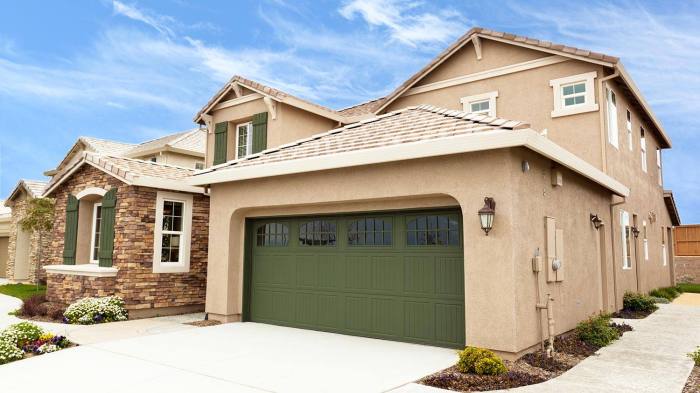
Imagine a Mediterranean-style villa bathed in the warm hues of a light beige stucco. The texture is slightly rough, mimicking the look of aged plaster, and accented by terracotta-colored tile roofing. Wrought iron details and lush landscaping further enhance the aesthetic.
Next, picture a sleek, contemporary home clad in a smooth, charcoal-gray stucco. Large windows and minimalist architectural features complement the smooth surface, creating a sophisticated and modern ambiance. The dark stucco contrasts beautifully with the bright white trim and provides a striking visual impact.
Finally, envision a Craftsman-style bungalow with a warm, earthy-toned stucco finish. The texture is slightly more pronounced than the previous examples, perhaps with a subtle, sandy finish. The stucco is complemented by natural wood accents, exposed beams, and a gabled roof, creating a cozy and inviting atmosphere. The color palette is muted and natural, blending seamlessly with the surrounding environment.
Stucco Siding Cost and Budget

Source: ebyexteriors.com
Planning a stucco siding project requires careful consideration of the associated costs. This section breaks down the expenses, explores influencing factors, and offers budgeting tips to help you manage your project effectively. Understanding these costs upfront will ensure a smoother and more financially responsible renovation or construction process.
Cost Breakdown of Stucco Siding Installation
The overall cost of stucco siding installation is a sum of several key components. Material costs include the stucco itself (cement, sand, lime), wire mesh, lath, primers, and finishes. Labor costs encompass the preparation of the surface, installation of the lath and wire mesh, application of the stucco in multiple coats, and any necessary finishing touches. Permitting fees and any unforeseen repairs or adjustments will also contribute to the final expense. These costs can vary significantly depending on factors such as location, project size, and the complexity of the design.
Factors Influencing Stucco Siding Cost
Several factors significantly impact the final cost of your stucco siding project. The size of the area to be covered directly influences material and labor costs; larger areas naturally cost more. The complexity of the design, including intricate details or multiple colors, will also increase labor costs. The condition of the existing wall structure impacts preparation time and costs; extensive repairs may be needed before stucco can be applied. The geographic location affects both material and labor prices; areas with higher labor costs or limited access to materials will result in higher overall expenses. Finally, the choice of stucco type and finish also impacts cost; high-end finishes and specialized stucco mixes are more expensive than standard options.
Cost Comparison with Other Exterior Cladding Materials
Stucco offers a good balance between cost and durability when compared to other exterior cladding options. While it might be more expensive than vinyl siding, it generally lasts longer and requires less frequent maintenance. Compared to brick or stone, stucco is usually a more affordable option, although the cost difference varies depending on the type and quality of brick or stone used. Wood siding, while aesthetically pleasing, often requires more frequent maintenance and replacement, making stucco a potentially more cost-effective choice in the long run. Ultimately, the most cost-effective material depends on individual preferences, project specifics, and long-term maintenance considerations.
Budgeting Tips for Stucco Siding Projects
Effective budgeting is crucial for successful stucco siding projects. Start by obtaining detailed quotes from multiple contractors to compare pricing and services. Clearly define the scope of work in your contract to avoid unexpected costs. Factor in potential contingencies; unforeseen issues during installation are common and should be accounted for in your budget. Consider financing options if needed, but be aware of interest charges and repayment terms. Prioritize quality materials; while cheaper options might seem appealing, they may compromise the longevity and aesthetics of your siding. Finally, maintain open communication with your contractor throughout the project to monitor progress and address any concerns promptly.
Stucco Siding Cost Estimates
| Item | Cost per square foot | Total Cost | Notes |
|---|---|---|---|
| Materials (Stucco, Lath, Mesh, etc.) | $3 – $8 | Varies by project size | Higher costs for specialized mixes or finishes |
| Labor | $5 – $15 | Varies by project size and complexity | Higher costs for intricate designs or difficult access |
| Preparation & Repair | $2 – $7 | Varies by existing wall condition | Significant costs if extensive repairs are needed |
| Permits & Inspections | $1 – $3 | Varies by location and project size | Check local regulations for permit requirements |
| Total Estimated Cost | $11 – $33 | Varies greatly | These are estimates and actual costs may vary significantly |
Environmental Impact of Stucco Siding
Stucco siding, while a durable and aesthetically pleasing exterior cladding option, carries an environmental footprint stemming from its manufacturing, installation, and eventual disposal. Understanding this impact is crucial for making informed choices about sustainable building practices. This section explores the environmental considerations associated with stucco and how to minimize its impact.
Manufacturing and Installation Impacts
The production of stucco involves the extraction and processing of raw materials like cement, sand, and lime. Cement production is particularly energy-intensive, contributing significantly to greenhouse gas emissions through the calcination process. The transportation of these materials to manufacturing facilities and then to construction sites adds to the carbon footprint. Installation itself generates waste, including packaging materials and potentially excess stucco. Furthermore, the use of machinery during installation consumes energy and can contribute to air pollution.
Comparison with Other Cladding Options
Compared to other exterior cladding materials, stucco’s environmental impact is mixed. While it generally has a lower embodied carbon footprint than brick or stone due to the lower energy requirements in its manufacturing process, it’s higher than options like wood siding (depending on the source and treatment of the wood) or fiber cement. The longevity of stucco, however, can offset some of its initial environmental cost. A longer lifespan reduces the frequency of replacements and associated material and energy consumption.
Sustainable Stucco Options
Several strategies exist to lessen the environmental impact of stucco. Using recycled content in the mix design, such as fly ash or slag cement, reduces reliance on virgin materials and lowers CO2 emissions. Sourcing local materials minimizes transportation distances and related emissions. Selecting low-VOC (volatile organic compounds) pigments and additives reduces air pollution during and after installation. Furthermore, exploring the use of alternative binders like geopolymer cement, which has a significantly lower carbon footprint than Portland cement, presents a promising avenue for more sustainable stucco.
Reducing Environmental Impact During Installation and Disposal
Careful planning and execution during installation can minimize waste. Precise measurements and efficient application techniques reduce material surplus. Proper disposal of excess stucco and packaging is crucial. Recycling or repurposing suitable materials, where possible, can further reduce the environmental impact. At the end of a building’s life, stucco can be removed and potentially reused or recycled, though this is not always practical or feasible. However, avoiding unnecessary demolition and choosing materials with high recyclability percentages is important.
Environmental Considerations When Choosing Stucco Siding
Choosing stucco siding requires careful consideration of its environmental implications. Here are some key factors to evaluate:
- Embodied carbon footprint of the materials.
- Source and transportation distances of materials.
- Recycled content percentage in the mix.
- VOC content of pigments and additives.
- Potential for material reuse or recycling at end-of-life.
- Installation methods and waste generation.
End of Discussion: Stucco Siding
Source: crownremodelingllc.com
From material selection and installation to maintenance and aesthetic considerations, understanding stucco siding involves a multifaceted approach. This guide has provided a comprehensive overview, equipping you with the knowledge to make informed decisions about this long-lasting and visually appealing exterior cladding. Remember to factor in all aspects—cost, durability, maintenance, and environmental impact—to ensure your project is successful and meets your needs. Now, go forth and create a stunning stucco-clad exterior!
User Queries
Is stucco siding suitable for all climates?
While stucco is durable, its suitability depends on the climate. In extremely cold climates, proper installation to prevent moisture damage is crucial. In hot, arid climates, it can help regulate temperature but may require more frequent maintenance.
How long does stucco siding last?
With proper installation and maintenance, stucco siding can last 50 years or more. However, this depends on factors like the quality of materials, climate, and maintenance practices.
Can I paint stucco siding?
Yes, stucco siding can be painted. However, it’s essential to prepare the surface properly, using a primer designed for stucco before applying the paint for optimal adhesion and longevity.
How much does it cost to repair stucco damage?
Repair costs vary significantly depending on the extent of the damage and the type of repair needed. Minor cracks might be relatively inexpensive to fix, while extensive damage could require substantial repairs.
Is stucco siding fire-resistant?
Stucco is considered fire-resistant, offering a degree of protection compared to other siding materials. However, its fire-resistance properties depend on the specific composition and installation.
Comments are closed.