Stone Veneer Siding A Complete Guide
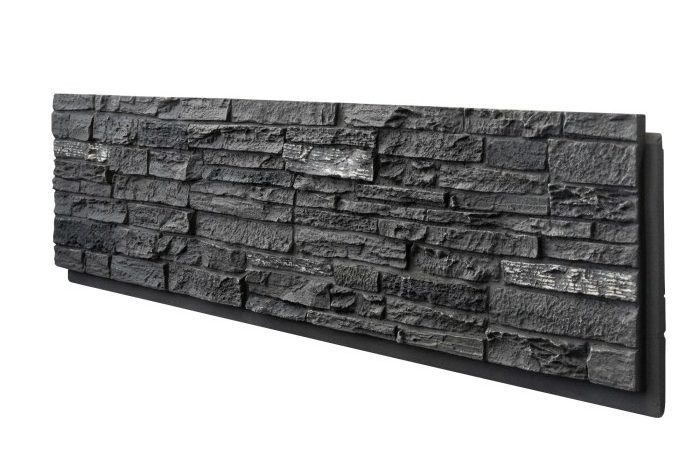
Stone veneer siding offers a timeless appeal, transforming homes with a touch of rustic elegance or modern sophistication. This guide dives into everything you need to know about this popular exterior cladding, from understanding the different types of stone and installation processes to exploring its aesthetic versatility and long-term value. We’ll cover the pros and cons, maintenance tips, and even help you decide if stone veneer siding is the right choice for your home improvement project.
Whether you’re a seasoned DIYer or simply curious about upgrading your home’s exterior, this comprehensive overview will equip you with the knowledge to make informed decisions. We’ll explore the various materials, installation techniques, and design considerations, ensuring you have all the information you need to confidently embark on your stone veneer siding journey. Get ready to discover the beauty and durability that stone veneer can bring to your home.
What is Stone Veneer Siding?
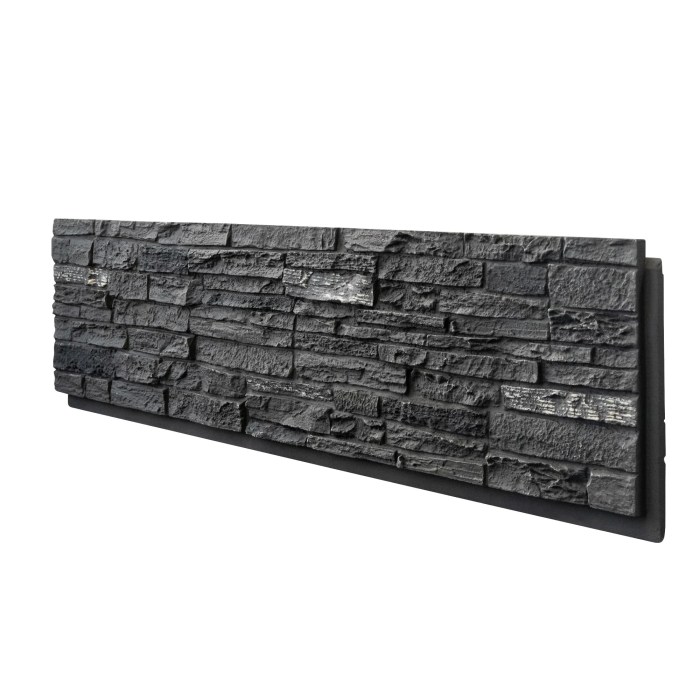
Stone veneer siding is a type of exterior cladding that uses thin slices of natural or manufactured stone to create a beautiful and durable finish on a building’s exterior. Unlike solid stone, which is significantly heavier and more expensive, veneer is lightweight and easier to install, making it a popular choice for both residential and commercial projects. It offers the aesthetic appeal of real stone without the significant drawbacks.
Stone Veneer Siding Manufacturing
The manufacturing process for stone veneer varies depending on whether it’s natural or manufactured stone. Natural stone veneer begins with the quarrying of large blocks of stone. These blocks are then cut into thinner, more manageable pieces using saws and other specialized equipment. The process often involves careful selection to ensure consistent color and texture. Finally, these pieces are often cleaned, sorted by size and color, and packaged for distribution. Manufactured stone veneer, on the other hand, is a composite material made from a mixture of cement, aggregates (like sand and gravel), and pigments. This mixture is molded into shapes that mimic natural stone and then cured to harden. The curing process can involve steam or air drying, and often includes a coloring process to achieve the desired appearance.
Types of Stone Used in Veneer Siding
Stone veneer siding comes in a wide variety of types, each offering a unique aesthetic and performance profile. Natural stone options include slate, granite, limestone, and sandstone, each with its distinctive texture, color variations, and durability characteristics. Slate, for instance, is known for its durability and resistance to weathering, while limestone tends to be softer and more susceptible to erosion. Manufactured stone offers a broader range of color and texture options, often mimicking the appearance of popular natural stones at a more affordable price point. It’s also engineered to be more consistent in size and shape than natural stone.
Advantages and Disadvantages of Stone Veneer Siding
Stone veneer siding offers several advantages over other siding materials. Its durability is a major plus, offering resistance to damage from weather, insects, and fire. The aesthetic appeal is undeniable, adding curb appeal and increasing property value. It also requires relatively low maintenance compared to some other options. However, stone veneer does have some drawbacks. Installation can be more complex and time-consuming than other siding types, requiring specialized knowledge and tools. The cost, while generally less than solid stone, can still be higher than vinyl or fiber cement siding. Furthermore, the weight of stone veneer can put additional stress on the building’s structure, necessitating proper framing and support.
Cost-Effectiveness of Stone Veneer Siding
The cost-effectiveness of stone veneer siding is relative and depends on several factors, including the type of stone used, the complexity of the installation, and the overall project scope. Generally, stone veneer is more expensive than vinyl or aluminum siding but significantly less expensive than using solid stone. A direct comparison requires considering the long-term costs. While the initial investment for stone veneer might be higher, its superior durability and longevity can lead to lower maintenance and replacement costs over the lifespan of the building, potentially making it a more cost-effective choice in the long run. For example, a homeowner might choose to invest in higher-quality, longer-lasting stone veneer to avoid the costs associated with replacing cheaper siding in the future.
Installation and Maintenance of Stone Veneer Siding
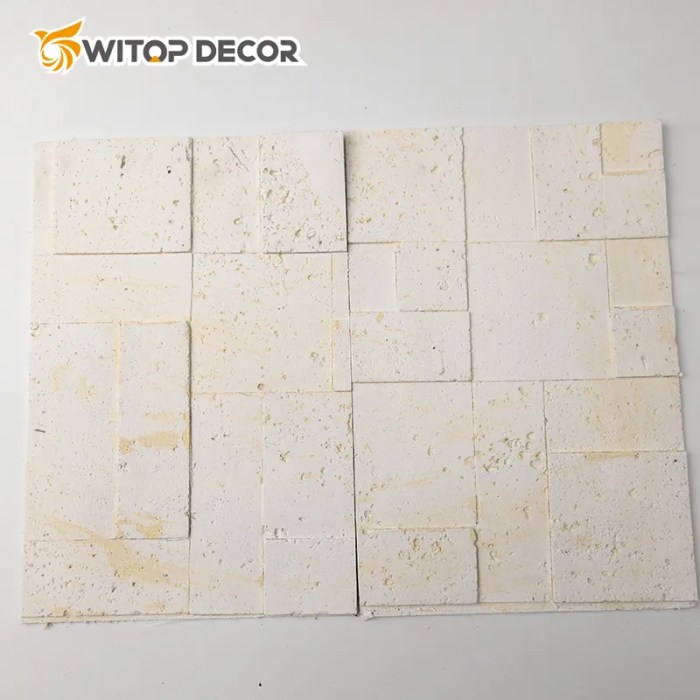
Source: made-in-china.com
Stone veneer siding offers a beautiful and durable exterior for your home, but proper installation and maintenance are crucial for maximizing its lifespan and aesthetic appeal. This section details the process of installation, including necessary tools and safety precautions, and guides maintaining your stone veneer siding for years to come.
Stone Veneer Siding Installation
Installing stone veneer siding is a project best tackled with some experience in construction or with the help of a professional. Improper installation can lead to damage, reduced lifespan, and even safety hazards. This step-by-step guide outlines the process. Remember to always prioritize safety and consult local building codes.
| Step | Materials Needed | Process | Potential Challenges |
|---|---|---|---|
| 1. Preparation | Measuring tape, level, chalk line, safety glasses, work gloves, protective clothing | Measure and mark the area for siding installation. Ensure the surface is clean, dry, and level. Install any necessary flashing or water barriers. | Uneven surfaces, existing damage to the wall requiring repair before installation. |
| 2. Framing and Sheathing (if necessary) | Wood framing lumber, sheathing, nails, hammer, saw | If installing over existing siding or a non-suitable substrate, build a proper framework and sheathing to support the veneer. | Working with existing structures, ensuring proper structural integrity of the framing. |
| 3. Backer Board Installation | Cement board or other suitable backer board, screws, drill, level | Install a moisture-resistant backer board over the framing, ensuring it’s securely fastened and level. This provides a stable surface for the stone veneer. | Cutting and fitting the backer board around corners and windows. |
| 4. Mortar Application | Mortar mix (appropriate for stone veneer), trowel, bucket, water | Apply a thin layer of mortar to the backer board, ensuring even coverage. The amount of mortar will depend on the type of stone veneer and its installation method. | Achieving even mortar application, preventing sagging or uneven adhesion. |
| 5. Stone Veneer Placement | Stone veneer, safety glasses, gloves | Carefully place the stone veneer onto the mortared backer board, ensuring proper alignment and spacing. Use a rubber mallet to gently tap the stones into place. | Matching stone patterns, maintaining consistent spacing and alignment. |
| 6. Grouting and Finishing | Grout (color matched to stone), grout float, sponge, water | Once the mortar has set, fill the gaps between the stones with grout. Use a sponge to remove excess grout and clean the stone surface. | Achieving even grout lines, cleaning grout residue without damaging the stone. |
| 7. Caulking and Sealing | Exterior-grade caulk, caulking gun | Caulk around windows, doors, and other openings to prevent water infiltration. Seal any cracks or gaps in the stone veneer. | Choosing the right caulk for the application, achieving a neat and weatherproof seal. |
Stone Veneer Siding Maintenance
Regular maintenance is key to preserving the beauty and longevity of your stone veneer siding. This includes cleaning and addressing any damage promptly.
Cleaning should be done at least once or twice a year, using a soft-bristled brush, mild detergent, and water. Avoid high-pressure washing, which can damage the mortar and stone. For stubborn stains, consider using a stone-specific cleaner. Repairing damaged stones usually involves carefully removing the damaged piece and replacing it with a matching stone, using fresh mortar.
Stone Veneer Siding Lifespan and Durability
Stone veneer siding is known for its durability and can last for several decades, even exceeding 50 years with proper maintenance. Its resilience varies depending on the type of stone used and the climate. For example, stone veneer in harsh, freezing climates might experience more cracking or chipping than in milder climates. However, proper installation and regular maintenance significantly extend the lifespan and mitigate weather-related damage.
Preventative Maintenance Schedule for Stone Veneer Siding
This schedule is a guideline; adjust based on your specific climate and the condition of your siding.
| Frequency | Task |
|---|---|
| Annually | Inspect for cracks, loose stones, or damage. Clean the siding with a soft brush, mild detergent, and water. |
| Every 2-3 years | More thorough inspection, including checking caulking and sealing around windows and doors. Re-caulk as needed. |
| As needed | Repair any damaged stones or mortar. |
Design and Aesthetics of Stone Veneer Siding
Source: genstone.com
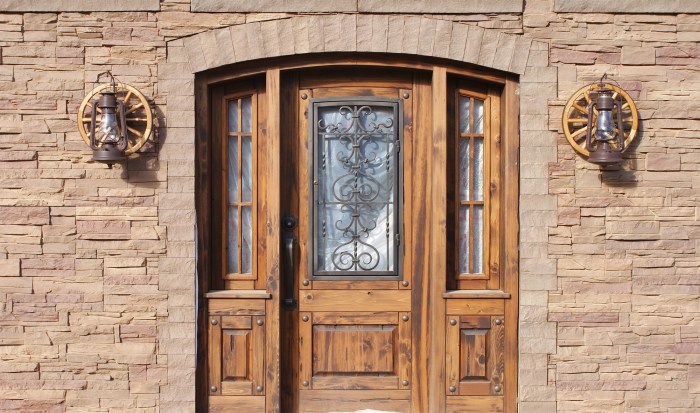
Stone veneer siding offers a fantastic opportunity to enhance the curb appeal and overall aesthetic of a home. Its versatility allows for a wide range of design choices, from rustic charm to modern elegance, depending on the type of stone, color, and installation style selected. Choosing the right stone veneer can significantly impact the perceived value and character of your property.
The beauty of stone veneer lies in its ability to mimic the look of natural stone at a more manageable cost and weight. This allows homeowners to achieve a high-end look without the significant expense and structural challenges associated with full-scale stone construction.
Stone Veneer in Different Architectural Styles
The application of stone veneer is incredibly diverse, complementing numerous architectural styles. Careful selection can truly elevate the home’s design.
- Rustic/Farmhouse: A light-colored, rough-hewn stone veneer, perhaps with a slightly irregular texture, creates a cozy and inviting atmosphere. Imagine a home with warm beige or grey stone accents around the front entrance and chimney, perfectly complementing the overall farmhouse feel. The natural variations in the stone’s color add to the rustic charm.
- Craftsman: Darker, more textured stone veneer, perhaps with hints of brown or even a touch of green, can add a touch of sophistication and grounding to a Craftsman-style home. Think of a home with a prominent stone base wrapping around the lower portion of the house, contrasting beautifully with wood siding above. The varied textures create visual interest.
- Traditional: Clean lines and a more uniform stone veneer, in a neutral color like light grey or off-white, create a timeless and elegant feel for a traditional home. A symmetrical facade with evenly spaced stone accents around windows and doors enhances the home’s classic appeal. The smooth texture contributes to the polished look.
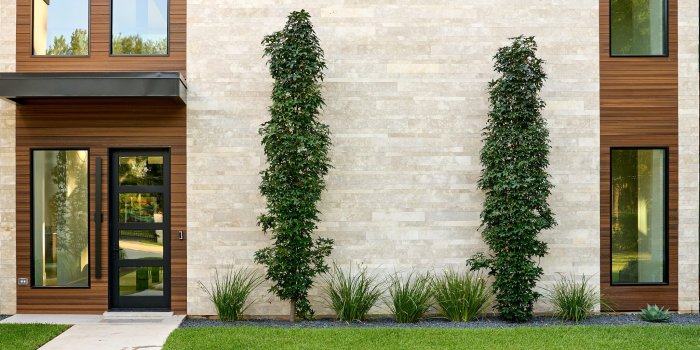
- Modern/Contemporary: Sleek, smooth, and possibly even lighter-colored stone veneer, perhaps in a clean white or grey, can give a modern home a sharp, sophisticated look. A home featuring large expanses of glass might use a minimal amount of stone veneer as an accent feature around the entryway, creating a striking contrast.
Color and Texture Options in Stone Veneer Siding
Stone veneer comes in a stunning array of colors and textures, offering endless possibilities for customization.
Color options range from the warm tones of earth-toned browns and beiges to cooler grays, whites, and even blacks. Textures can vary from rough and rustic to smooth and polished, mimicking various natural stone types such as granite, limestone, and slate. Some manufacturers even offer color-blended options that create a more natural, variegated appearance.
Selecting Stone Veneer to Complement House Styles and Exterior Features
The key to successful stone veneer selection is careful consideration of the existing home style and other exterior features.
For instance, a Victorian home might benefit from a detailed, multi-toned stone veneer that complements the intricate architectural details. A ranch-style home, on the other hand, might look best with a simpler, more uniform stone veneer in a neutral color. The stone should also complement the roofing material, window frames, and landscaping.
Visual Description of a House with Stone Veneer Siding
Imagine a two-story Craftsman-style home nestled on a tree-lined street. The lower half of the house is clad in a warm, medium-brown stone veneer with a slightly rough texture, giving it a solid and grounded feel. The upper half features warm-toned wood siding, creating a beautiful contrast with the stone base. The chimney is also faced with the same stone veneer, tying the design together. Dark brown window frames and a dark grey roof complete the sophisticated and inviting look. The overall aesthetic is one of warmth, durability, and classic charm. The subtle variations in the stone’s color add depth and visual interest without being overwhelming.
Environmental Impact and Sustainability
Source: thesurfaceshop.com
Stone veneer siding, while offering aesthetic appeal and durability, presents a complex environmental profile. Its impact stems from the extraction, processing, transportation, installation, and eventual disposal of the materials. Understanding this impact is crucial for making informed decisions about sustainable building practices.
Stone veneer’s environmental footprint is multifaceted. The quarrying and processing of natural stone consume energy and generate waste, including rock dust and potentially harmful byproducts depending on the extraction methods. Transportation of the materials over long distances adds to carbon emissions. The manufacturing process of manufactured stone veneer, often involving cement and other additives, also contributes to the carbon footprint. Finally, disposal at the end of the siding’s life can pose challenges, particularly if not properly recycled or reused.
Stone Veneer’s Environmental Footprint Compared to Other Siding Materials
The environmental impact of stone veneer siding should be considered in comparison to alternatives like wood, vinyl, fiber cement, and metal siding. Wood siding, while renewable, requires sustainable forestry practices to minimize deforestation and habitat loss. Vinyl siding, a petroleum-based product, has a high carbon footprint and is not readily biodegradable. Fiber cement siding, composed of cement, cellulose fibers, and other additives, has a moderate environmental impact compared to vinyl, but its production still requires energy and resources. Metal siding, often made from recycled materials, can have a lower carbon footprint than other options, but its manufacturing and transportation still involve energy consumption. A comprehensive life-cycle assessment comparing these materials, considering factors like energy use, waste generation, and longevity, is necessary for a complete evaluation. For example, a study might compare the embodied carbon of each material per square foot of siding, considering manufacturing, transportation, and end-of-life scenarios. This type of analysis can inform the selection of the most environmentally responsible option for a given project.
Energy Efficiency Benefits of Stone Veneer Siding
Stone veneer’s contribution to a building’s energy efficiency is primarily through its thermal mass. Natural stone possesses a high thermal mass, meaning it absorbs and releases heat slowly. This can help to moderate indoor temperatures, reducing the need for heating and cooling, leading to potential energy savings. However, the energy efficiency benefits are dependent on several factors, including the climate, the thickness of the stone veneer, and the overall building design. In warmer climates, the thermal mass can help to keep the interior cooler during the day, while in colder climates, it can help retain heat. However, it is crucial to remember that stone veneer itself doesn’t act as insulation. A proper insulation system behind the veneer is essential for optimal energy performance. A building with stone veneer siding but inadequate insulation might not experience significant energy savings.
Sustainable Sourcing Practices for Stone Veneer Siding
Sustainable sourcing focuses on minimizing the environmental impact of stone veneer production. This involves selecting materials from responsibly managed quarries that adhere to environmental regulations and prioritize minimizing waste and land disturbance. Choosing locally sourced stone reduces transportation emissions. Furthermore, opting for recycled or reclaimed stone can significantly reduce the environmental footprint. Certifications, such as those from organizations focused on sustainable building materials, can help consumers identify products sourced and manufactured responsibly. For example, look for certifications that verify responsible quarry practices, energy efficiency in manufacturing, and reduced waste generation. Supporting quarries that implement responsible land reclamation after extraction is another important aspect of sustainable sourcing. Finally, specifying the use of thin stone veneer, which reduces material consumption and transportation needs, is another approach to promote sustainability.
Stone Veneer Siding vs. Other Siding Materials
Choosing the right siding for your home is a significant decision, impacting both aesthetics and longevity. This section compares stone veneer siding with popular alternatives, helping you determine the best fit for your needs and budget. We’ll focus on cost, durability, maintenance requirements, and the overall aesthetic appeal of each material.
Comparison of Siding Materials
The following table provides a side-by-side comparison of stone veneer siding against brick, vinyl, wood, and fiber cement siding across key characteristics. Remember that actual costs and maintenance needs can vary based on factors like material quality, installation complexity, and geographic location.
| Material | Cost (Relative) | Durability | Maintenance | Aesthetics |
|---|---|---|---|---|
| Stone Veneer | High | Very High | Low | Natural, varied textures and colors; can mimic various stone types |
| Brick | High | Very High | Very Low | Classic, durable look; wide range of colors and textures available |
| Vinyl | Low | Moderate | Low | Wide variety of colors and styles; can mimic other materials but often lacks natural texture |
| Wood | Moderate to High | Moderate to High (depending on wood type and treatment) | High (regular painting, staining, and potential repairs) | Natural, warm look; many styles and colors available |
| Fiber Cement | Moderate | High | Low to Moderate | Clean, modern look; available in various colors and textures, often mimicking wood or stone |
Suitability of Stone Veneer Siding
Stone veneer siding proves most suitable in situations prioritizing a high-end, durable, and low-maintenance exterior. Its natural beauty enhances homes in various architectural styles, from rustic to contemporary. Consider stone veneer for projects where longevity and a premium aesthetic are paramount, such as high-end residential homes, commercial buildings aiming for a sophisticated look, or renovations requiring a long-lasting exterior solution. For example, a historic home restoration project might benefit greatly from the authentic look and durability of stone veneer, maintaining the home’s character while ensuring its longevity.
Factors to Consider When Choosing Stone Veneer
Several factors influence the selection of specific stone veneer types. These include:
Budget: Stone veneer prices vary significantly based on the type of stone (e.g., natural stone is more expensive than manufactured stone), its origin, and the finishing process. A realistic budget is crucial for selecting a suitable option.
Aesthetic Preferences: Consider the overall architectural style of your home and your desired aesthetic. Different stone types offer distinct colors, textures, and patterns. For example, a sleek, modern home might pair well with a clean-cut manufactured stone, while a rustic farmhouse might benefit from the rougher texture of natural fieldstone.
Climate: The climate can impact the durability and longevity of the stone veneer. Some stones are more resistant to freeze-thaw cycles than others, a crucial factor in colder climates. Selecting a stone suited to your local climate ensures the siding remains intact for many years.
Maintenance Requirements: While generally low-maintenance, different stone types might require specific cleaning methods or treatments. Consider the long-term maintenance implications when choosing your stone veneer.
Conclusive Thoughts
Source: wfcdn.com
From initial design considerations to long-term maintenance, choosing stone veneer siding is a significant decision. This guide has explored the multifaceted nature of this popular cladding, covering everything from material selection and installation to aesthetic impact and environmental considerations. By weighing the pros and cons, understanding the maintenance requirements, and considering your budget, you can confidently determine if stone veneer siding is the perfect complement to your home’s style and your personal needs. Remember, a well-informed choice leads to a beautiful and lasting result.
FAQ Section
Can stone veneer siding be used on all types of houses?
While versatile, it’s best suited for houses with sturdy framing. Consider the weight and potential stress on the structure.
How often should I clean my stone veneer siding?
A yearly cleaning with a soft brush and water is usually sufficient. Pressure washing should be done cautiously and infrequently to avoid damage.
Is stone veneer siding fire resistant?
Natural stone is naturally fire-resistant, but manufactured stone’s fire resistance varies; check the manufacturer’s specifications.
Can I install stone veneer siding myself?
While possible for smaller projects, professional installation is often recommended for larger areas to ensure proper adherence and longevity.
What’s the warranty on stone veneer siding?
Warranties vary significantly by manufacturer and type of stone. Always check the specific warranty details before purchasing.
Comments are closed.