Hardie Board Siding A Complete Guide
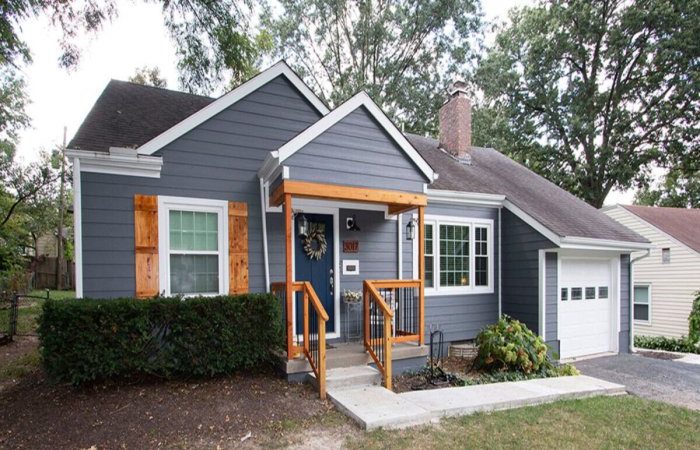
Hardie board siding offers a durable and attractive alternative to traditional siding materials. This guide dives deep into its composition, installation, maintenance, cost, aesthetics, and environmental impact, equipping you with everything you need to know before making a decision.
From understanding the different types of Hardie board siding available – lap siding, panel siding, shingles – to mastering the installation process and calculating its long-term value, we’ll cover it all. We’ll also explore the aesthetic possibilities, helping you choose the perfect color, texture, and style to complement your home’s architecture.
Hardie Board Siding
Hardie board siding, a popular choice for homeowners, offers a durable and attractive exterior cladding option. Its fiber cement composition provides superior protection against the elements compared to many other siding materials. Let’s delve into the details of this versatile product.
Hardie Board Siding Composition and Manufacturing
Hardie board siding is primarily composed of cement, cellulose fibers, and other additives. The cement provides strength and durability, while the cellulose fibers enhance flexibility and reduce cracking. Additives are included to improve workability during manufacturing and to enhance the final product’s properties, such as water resistance and color retention. The manufacturing process involves mixing these ingredients, forming them into sheets, and then curing them under high pressure and temperature. This process creates a dense, strong, and weather-resistant material. The final product is then cut and shaped into various siding profiles.
Durability Comparison of Hardie Board Siding
Hardie board siding boasts significantly greater durability than vinyl siding. Vinyl can become brittle and crack under extreme temperature fluctuations, and it’s susceptible to dents and scratches. Wood siding, while aesthetically pleasing, is vulnerable to rot, insect infestation, and requires regular maintenance, including painting or staining. Hardie board, on the other hand, resists rot, insect damage, and fire better than both vinyl and wood. While it can be damaged, it generally holds up much better to the rigors of weather and time.
Types of Hardie Board Siding
Hardie board siding comes in a variety of profiles to suit different architectural styles and preferences. The most common types include lap siding, which mimics the look of traditional wood clapboard; panel siding, offering a more modern and sleek aesthetic; and shingles, which provide a textured, rustic appearance. Each type offers the same core durability but varies in its visual appeal and installation requirements.
Hardie Board Siding Profile Comparison
| Profile | Appearance | Applications | Notes |
|---|---|---|---|
| Lap Siding | Traditional clapboard look; vertical lines | Wide range of homes; classic and traditional styles | Available in various widths and thicknesses |
| Panel Siding | Large, flat panels; clean, modern look | Contemporary homes; large expanses of wall | Often used with trim for visual interest |
| Shingles | Overlapping shingles; textured, rustic appearance | Homes with a craftsman or rustic style, accents | Can create a visually complex facade |
| Vertical Siding | Vertical planks; modern and sleek | Contemporary and farmhouse styles; can create a dramatic effect | Requires careful planning for water management |
Hardie Board Siding
Source: smartextpros.com
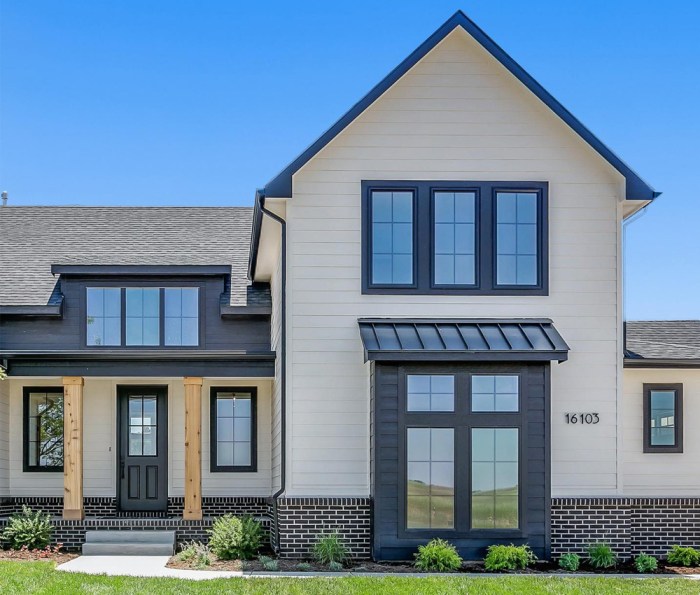
Hardie board siding offers a durable and attractive exterior cladding option for homes. It’s a cement composite material that provides superior resistance to fire, insects, and rot, making it a long-term investment. This section details the installation process, best practices for cutting and trimming, necessary tools, and long-term maintenance requirements.
Hardie Board Siding Installation
Installing Hardie board siding involves several key steps, from proper preparation to final finishing. A well-executed installation ensures a beautiful and long-lasting finish. Improper installation can lead to problems down the road, such as leaks or damage.
- Preparation: Begin by ensuring the underlying structure is properly prepared. This includes checking for any damage to sheathing, flashing, or existing siding. All surfaces must be clean, dry, and level.
- Framing and Sheathing: Install appropriate framing and sheathing to provide a solid base for the siding. The sheathing should be properly fastened and sealed to prevent moisture penetration.
- Starter Strip Installation: Install a starter strip along the bottom of the wall to provide a level and consistent base for the first row of siding. This ensures proper alignment and spacing.
- Siding Installation: Install the Hardie board siding panels, overlapping each panel according to the manufacturer’s instructions. Use galvanized nails or screws to fasten the panels securely. Ensure proper spacing and alignment throughout the installation.
- Caulking and Sealing: Caulk all seams and joints to prevent water penetration. Pay particular attention to areas around windows, doors, and corners.
- Finishing: Once all panels are installed, complete the installation with trim pieces, corner boards, and other necessary accessories.
Cutting and Trimming Hardie Board Siding
Proper cutting techniques are essential for achieving clean, precise cuts and minimizing waste. Using the right tools and techniques will result in a professional-looking finish.
A circular saw with a fine-tooth blade specifically designed for cutting fiber cement is recommended. Always wear appropriate safety gear, including eye protection, a dust mask, and hearing protection. For intricate cuts, a jigsaw can be utilized. Pre-drilling pilot holes before fastening is crucial to prevent cracking or splitting of the board.
Tools and Equipment
The correct tools and equipment are vital for a successful installation. Having everything readily available will streamline the process and ensure efficient work.
- Measuring tape
- Circular saw with fine-tooth blade for fiber cement
- Jigsaw (for intricate cuts)
- Safety glasses
- Dust mask
- Hearing protection
- Hammer or impact driver
- Galvanized nails or screws
- Caulk gun
- Level
- Utility knife
Hardie Board Siding Maintenance
Regular inspection and maintenance are crucial for extending the lifespan of your Hardie board siding. While Hardie board is durable, neglecting maintenance can lead to premature deterioration.
Cleaning should be done annually, using a pressure washer with a low-pressure nozzle or a garden hose with a soft brush. Avoid using abrasive cleaners or harsh chemicals. Regularly inspect the siding for any signs of damage, such as cracks, loose nails, or water damage. Promptly address any issues to prevent further problems. Repainting or recoating may be necessary every 5-10 years, depending on climate and exposure.
Hardie Board Siding Inspection and Maintenance Checklist
A regular inspection checklist helps ensure your siding remains in top condition.
| Task | Frequency | Notes |
|---|---|---|
| Visual inspection for cracks, damage, or loose fasteners | Annually | Pay close attention to areas around windows, doors, and corners. |
| Clean siding with low-pressure water | Annually | Avoid harsh chemicals or abrasive cleaners. |
| Check caulking around windows and doors | Annually | Replace any cracked or deteriorated caulking. |
| Inspect paint or coating for fading or damage | Every 2-3 years | Repaint or recoat as needed. |
| Check for signs of insect infestation | Annually | Address any infestations promptly. |
Hardie Board Siding
Hardie board siding, made from fiber cement, offers a durable and attractive alternative to traditional wood or vinyl siding. Understanding its cost and long-term value is crucial before deciding for your home improvement project. This section will break down the factors influencing the price, compare it to other options, and explore its long-term cost-effectiveness.
Hardie Board Siding Cost Factors
Several factors significantly impact the overall cost of Hardie board siding installation. These factors contribute to the variability in pricing you might encounter from different contractors and regions.
- Siding Type and Style: Different Hardie siding products (e.g., planks, panels, shingles) have varying prices. More intricate styles and textures naturally cost more.
- House Size and Complexity: The square footage of your home’s exterior directly affects material needs. A complex design with many angles, dormers, or intricate trim will increase labor costs.
- Labor Costs: Regional differences in labor rates play a substantial role. Experienced and reputable installers command higher fees, reflecting their expertise and quality of work.
- Material Costs: Fluctuations in raw material prices influence the cost of the siding itself. Current market conditions and supply chain issues can affect pricing.
- Permits and Inspections: Necessary permits and inspections add to the overall project expense. These costs vary depending on local regulations.
- Preparation and Underlayment: Proper preparation of the existing wall surface, including repairs and the installation of underlayment, is crucial and adds to the total cost.
Hardie Board Siding Cost Compared to Other Options
While Hardie board siding typically has a higher initial cost compared to vinyl or aluminum siding, its superior durability and longevity often make it a more cost-effective choice in the long run. Let’s look at a simplified comparison:
| Siding Type | Initial Cost (per sq ft, estimated) | Lifespan (years) |
|---|---|---|
| Vinyl | $3-$7 | 20-30 |
| Aluminum | $5-$10 | 30-50 |
| Hardie Board | $8-$15 | 50+ |
*Note: These are broad estimates and actual costs vary based on location, material choices, and labor rates.*
Long-Term Cost-Effectiveness of Hardie Board Siding
Hardie board siding’s long lifespan significantly reduces the need for frequent replacements or major repairs, unlike vinyl or wood siding which may require repainting or replacement sooner. Its resistance to rot, insects, and fire minimizes long-term maintenance costs. The initial investment is offset by reduced long-term expenses.
Hardie Board Siding Installation Cost Breakdown
A typical installation project includes these cost components:
| Cost Component | Estimated Percentage of Total Cost |
|---|---|
| Materials (siding, trim, fasteners) | 40-50% |
| Labor (installation, preparation) | 40-50% |
| Permits and Inspections | 5-10% |
For example, a 1500 sq ft home might cost between $12,000 and $22,500, depending on the factors discussed earlier.
Calculating Return on Investment (ROI) for Hardie Board Siding
Calculating the ROI involves comparing the initial investment with the long-term savings. This requires estimating the lifespan of the siding and the cost of alternative siding options over the same period.
ROI = (Total Savings – Initial Investment) / Initial Investment
For instance, if Hardie board siding costs $15,000 initially and saves $5,000 in maintenance and replacement costs over 50 years compared to vinyl siding, the ROI would be calculated as follows:
ROI = ($250,000 (50 years of vinyl siding maintenance and replacement) – $15,000) / $15,000 = 15.67 or 1567%
This is a simplified example; a more accurate calculation would require detailed cost projections over the entire lifespan of the siding. However, it demonstrates the potential for significant long-term returns with Hardie board siding.
Hardie Board Siding
Source: statelineext.com
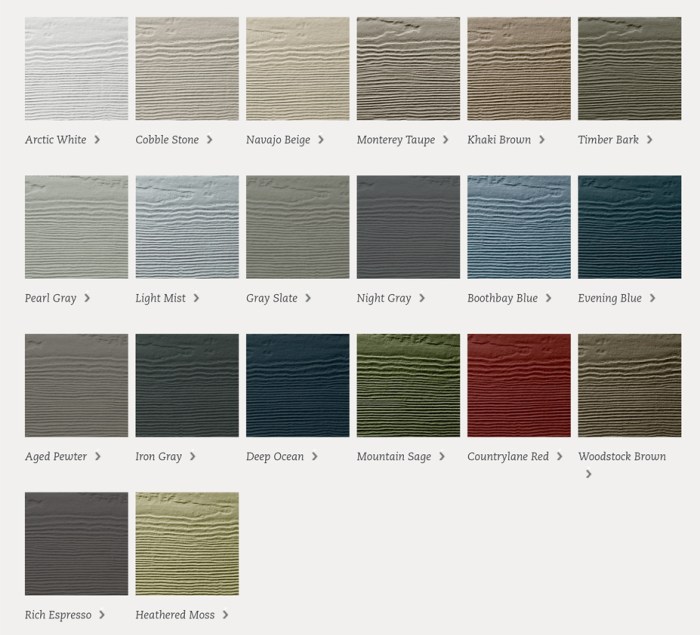
Hardie board siding offers a durable and attractive exterior cladding option for homes. Its versatility allows for a wide range of design choices, making it suitable for various architectural styles and personal preferences. This section will explore the design and aesthetic possibilities offered by Hardie board siding.
Architectural Styles and Hardie Board Siding
Hardie board siding complements a surprising variety of architectural styles. Its clean lines and customizable features make it equally at home on a Craftsman bungalow, a modern farmhouse, or a traditional Victorian. The ability to choose different textures, colors, and trim styles allows for seamless integration into existing architectural designs or the creation of a unique aesthetic. For instance, a smooth, painted Hardie plank siding can create a sleek, contemporary look, while a textured, stained version can enhance the rustic charm of a farmhouse. The versatility is truly remarkable.
Color Choices and Aesthetic Impact
Color selection significantly impacts the overall aesthetic of Hardie board siding. Lighter colors, such as creamy whites or light grays, can create a feeling of spaciousness and brightness, particularly beneficial for smaller homes or those in shady areas. Darker colors, like deep blues or charcoal grays, can add drama and sophistication, often highlighting architectural details more prominently. The choice should consider the surrounding landscape, the home’s orientation to sunlight, and the desired overall mood. For example, a warm, earthy tone can complement a natural setting, while a cool, modern color scheme might suit a more urban environment.
Hardie Board Siding Textures and Finishes
Hardie board siding offers a range of textures and finishes to suit diverse design preferences. The most common textures include smooth, cedar-mimicking, and shingle-style. Smooth finishes offer a clean, modern look, while cedar-mimicking textures provide a more natural, rustic feel. Shingle-style siding offers a classic, traditional appearance. Finishes can range from painted to stained, with painted options allowing for a wide spectrum of colors and a consistent, uniform appearance, while stained options showcase the natural grain and texture of the board, resulting in a more organic look.
Example House with Hardie Board Siding
Imagine a two-story Craftsman-style house clad in Hardie board siding. The siding is a warm, medium-toned gray with a subtle cedar-mimicking texture. The trim is painted a crisp white, accentuating the windows, eaves, and porch. The overall effect is one of understated elegance, blending seamlessly with a surrounding landscape of mature trees and lush greenery. The deep gray enhances the detailing of the home’s architectural features.
Lighting Conditions and Hardie Board Siding Appearance
The appearance of Hardie board siding is significantly affected by lighting conditions. Sunlight can dramatically alter the perceived color and texture, making lighter colors appear brighter and warmer in direct sunlight, while darker colors might appear even more intense. Evening light can soften the appearance of the siding, creating a more subdued and peaceful ambiance. Different lighting conditions can highlight or diminish certain textures, with rougher textures appearing more pronounced in bright light and smoother surfaces appearing more uniform under softer light. This interplay of light and material creates a dynamic aesthetic that changes throughout the day.
Hardie Board Siding

Source: modernize.com
Hardie board siding, a popular choice for homeowners, offers a durable and attractive exterior finish. However, understanding its environmental impact is crucial for making informed decisions. This section explores the environmental considerations associated with Hardie board siding throughout its lifecycle, from manufacturing to disposal.
Hardie Board Siding Manufacturing and its Environmental Impact
The manufacturing process of Hardie board siding involves several steps that can have environmental consequences. The primary ingredient, cement, requires significant energy to produce, contributing to greenhouse gas emissions. The mining of raw materials like sand and clay also has environmental impacts, including habitat disruption and potential water pollution. Furthermore, the manufacturing process generates waste materials that need proper management to minimize environmental harm. The overall carbon footprint of Hardie board siding manufacturing is a complex issue, influenced by factors such as the energy sources used in the factories and transportation distances. However, James Hardie, the manufacturer, has implemented several sustainability initiatives aimed at reducing its environmental footprint. These initiatives include investments in renewable energy sources and improved manufacturing processes designed to minimize waste.
Sustainability Comparison with Other Siding Materials
Compared to other siding materials, Hardie board siding presents a mixed environmental profile. While it boasts a longer lifespan than many alternatives, reducing the frequency of replacements and associated waste, its manufacturing process has a higher upfront energy demand than some options like wood. However, wood siding often requires significant maintenance and periodic replacement, potentially leading to a larger overall environmental impact over its lifespan. Vinyl siding, while requiring less energy to produce initially, typically has a shorter lifespan and is not readily recyclable, making it less sustainable in the long run. The overall sustainability comparison requires considering the entire lifecycle of each material, including manufacturing, transportation, installation, maintenance, and disposal.
Recyclability and Disposal Options for Hardie Board Siding
Hardie board siding is not widely recycled in the same way as some other materials. However, it is generally considered to be inert and does not leach harmful substances into the environment when disposed of in landfills. Some regions may have specific programs for construction and demolition waste, potentially allowing for the reuse or repurposing of Hardie board siding. The best disposal option depends on local regulations and waste management practices. Proper disposal, avoiding illegal dumping, is crucial to minimize environmental impact.
Hardie Board Siding and Energy Efficiency
Hardie board siding can contribute to improved energy efficiency in homes. Its dense and durable nature provides better insulation compared to some other siding materials, helping to reduce heat transfer and lower energy consumption for heating and cooling. This translates to lower energy bills and a smaller carbon footprint for the building’s operation over its lifetime. The extent of energy savings depends on factors such as the climate, the overall building design, and the insulation levels in the walls.
Potential Environmental Benefits of Hardie Board Siding
Despite its manufacturing impacts, Hardie board siding offers several potential environmental benefits. Its long lifespan reduces the need for frequent replacements, minimizing the overall environmental burden associated with material extraction, manufacturing, and transportation. Furthermore, its resistance to fire, insects, and rot can reduce the need for repairs and replacements, further lowering its overall environmental impact compared to materials prone to damage. The durability and longevity of Hardie board siding contribute to its potential for long-term environmental sustainability.
Final Thoughts
Source: hawthornexteriors.com
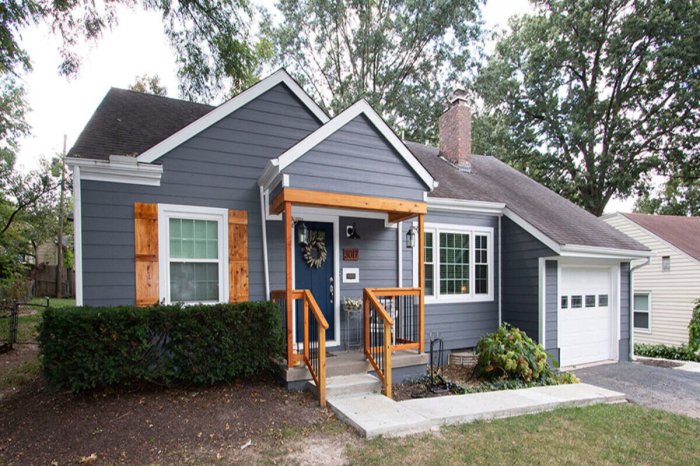
Ultimately, choosing Hardie board siding is an investment in your home’s longevity and curb appeal. By weighing the initial cost against its superior durability, low maintenance requirements, and potential for increased property value, you can make an informed decision that benefits you for years to come. Remember to consider your style and environmental concerns when making your final choice. This guide provides a solid foundation for making that choice with confidence.
Clarifying Questions
Can Hardie board siding be painted?
Yes, Hardie board siding can be painted, but it’s crucial to use a paint specifically designed for fiber cement siding to ensure proper adhesion and longevity.
How long does Hardie board siding last?
With proper maintenance, Hardie board siding can last 50 years or more.
Is Hardie board siding fire-resistant?
Yes, Hardie board siding is highly fire-resistant, offering a significant safety advantage over many other siding options.
Does Hardie board siding require special tools for installation?
While standard tools are used, specialized saws designed for cutting fiber cement are recommended to prevent dust and damage to the blades.
What are the warranty options for Hardie board siding?
Warranty details vary depending on the specific product and region. Check with your supplier for precise warranty information.
Comments are closed.