Fiber Cement Siding A Comprehensive Guide
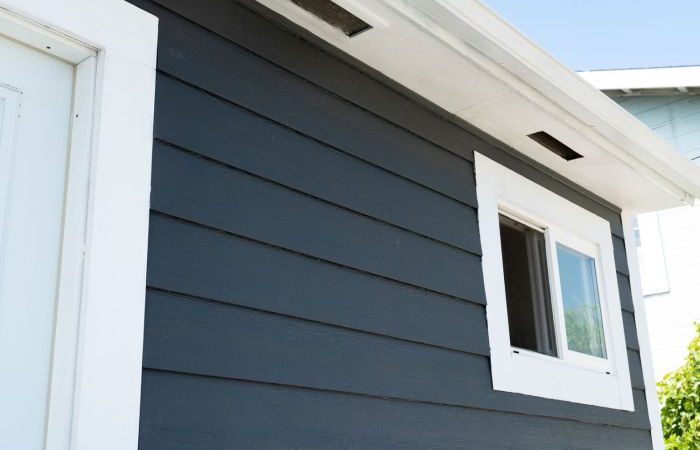
Fiber cement siding offers a durable and attractive exterior cladding option for homes. This versatile material, a composite of cement, cellulose fibers, and other additives, boasts impressive longevity and resistance to the elements. We’ll explore its manufacturing, advantages, disadvantages, installation, maintenance, and environmental impact, comparing it to other popular siding choices to help you determine if it’s the right fit for your next project.
From its origins to its modern applications, fiber cement siding has proven itself a reliable and aesthetically pleasing choice for homeowners. This guide delves into the details, providing you with the knowledge to make an informed decision about incorporating this material into your home improvement plans. We’ll cover everything from the initial installation process to long-term maintenance, ensuring you’re well-equipped to understand the benefits and potential drawbacks.
Introduction to Fiber Cement Siding
Fiber cement siding is a popular exterior cladding material known for its durability, low maintenance, and aesthetic versatility. It offers a strong and attractive alternative to traditional wood or vinyl siding, providing homeowners with a long-lasting and visually appealing exterior finish. This section will delve into the manufacturing process, composition, and historical context of this increasingly prevalent building material.
Fiber cement siding’s manufacturing is a relatively straightforward process, though it requires specialized equipment. The key ingredients – cement, cellulose fibers (often wood pulp), and silica sand – are mixed with water to form a slurry. This mixture is then formed into the desired shapes and sizes (like planks or shingles) using high-pressure molding techniques. After molding, the formed pieces are cured in a high-temperature kiln or autoclave to harden and strengthen the material. Finally, the cured fiber cement siding undergoes a finishing process which may include painting or priming to achieve the desired color and texture.
Fiber Cement Siding Composition and Key Ingredients
The precise composition of fiber cement siding can vary slightly depending on the manufacturer, but the core ingredients remain consistent. Cement acts as the primary binding agent, providing strength and durability. Cellulose fibers, usually derived from wood pulp, add tensile strength and prevent cracking. Silica sand enhances the overall strength and density of the material, contributing to its resistance to impact and moisture. These three key components, along with water and potentially minor additives, combine to create a robust and long-lasting exterior cladding option.
A Brief History of Fiber Cement Siding
While the precise origins are difficult to pinpoint, the use of cement-based composite materials in construction dates back centuries. However, the modern development and widespread adoption of fiber cement siding as a building material is a relatively recent phenomenon. Its popularity began to rise significantly in the mid-20th century as manufacturers refined the manufacturing process and improved the material’s properties, resulting in a product that is both durable and aesthetically pleasing. Its increasing popularity is largely due to its low maintenance requirements, long lifespan, and fire resistance, making it a preferred choice for many residential and commercial projects.
Advantages of Fiber Cement Siding
Fiber cement siding offers a compelling blend of durability, low maintenance, and aesthetic appeal, making it a popular choice for homeowners. Its superior performance compared to traditional materials like wood and vinyl translates to long-term cost savings and peace of mind. Let’s delve into the specifics.
Durability and Longevity
Fiber cement siding boasts exceptional durability and longevity. Unlike wood, which is susceptible to rot, insect infestation, and warping, and vinyl, which can crack, fade, and dent, fiber cement resists these issues remarkably well. Its composition – a mixture of cement, cellulose fibers, and other additives – creates a robust material capable of withstanding harsh weather conditions, including strong winds, heavy rain, and extreme temperature fluctuations. Many manufacturers offer warranties of 50 years or more, reflecting the material’s exceptional lifespan. This translates to significant long-term cost savings compared to siding materials requiring more frequent replacements or repairs. For example, a homeowner investing in fiber cement siding can expect to avoid the significant expense and disruption of replacing their siding multiple times throughout their homeownership, unlike with wood or vinyl.
Resistance to Fire, Insects, and Rot
Fiber cement’s inherent properties provide superior protection against fire, insects, and rot. Its non-combustible nature makes it a highly fire-resistant siding option, significantly reducing the risk of fire damage compared to wood siding. Furthermore, insects like termites find fiber cement unappealing, eliminating the risk of infestation that can weaken and damage wood siding. The material’s resistance to moisture prevents rot and decay, a common problem with wood siding, especially in humid climates. This inherent protection contributes to the overall longevity and minimal maintenance requirements of fiber cement siding.
Maintenance Requirements Compared to Other Siding Options
Fiber cement siding requires significantly less maintenance than wood or vinyl. While all siding types benefit from occasional cleaning, fiber cement’s durability minimizes the need for frequent repairs.
| Siding Type | Cleaning Frequency | Repair Frequency | Expected Lifespan (Years) |
|---|---|---|---|
| Fiber Cement | Annual or as needed | Infrequent (minor repairs only) | 50+ |
| Vinyl | Annual or as needed | More frequent (cracks, dents) | 20-30 |
| Wood | Semi-annual to annual | Frequent (rot, insect damage, painting) | 15-25 (depending on maintenance and climate) |
Disadvantages of Fiber Cement Siding
Source: blueridgeexteriors.com
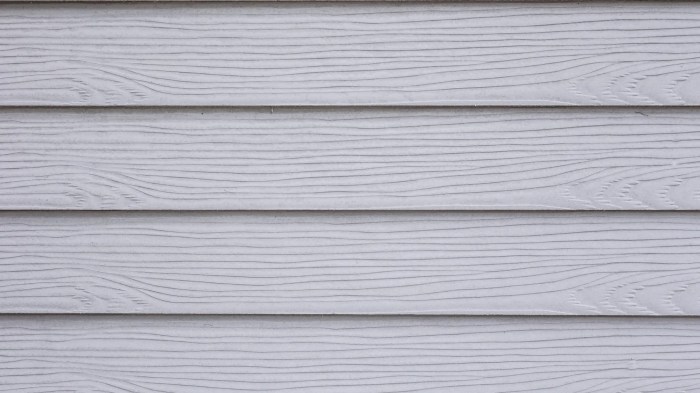
Fiber cement siding, while offering many advantages, isn’t without its drawbacks. Understanding these potential downsides is crucial for making an informed decision about whether it’s the right siding choice for your home. This section will explore some key disadvantages to consider.
It’s important to remember that while these drawbacks exist, they don’t necessarily outweigh the benefits for everyone. The overall suitability of fiber cement siding depends heavily on individual circumstances, climate, and budget.
Susceptibility to Cracking and Chipping
Fiber cement is a relatively brittle material compared to vinyl or wood siding. This means it’s more prone to cracking or chipping during installation if mishandled, or over time due to impacts from hail, falling branches, or even extreme temperature fluctuations. Improper installation, such as using insufficient fasteners or failing to account for expansion and contraction, can also significantly increase the risk of cracking. Cracks, once formed, can allow moisture to penetrate, potentially leading to rot in underlying sheathing or structural damage if left unaddressed. Regular inspection and prompt repair of any damage are essential to maintain the longevity and aesthetic appeal of fiber cement siding.
Weight and Handling Challenges
Fiber cement siding panels are considerably heavier than vinyl or some other siding materials. This added weight presents challenges during installation, requiring more physical effort and potentially specialized equipment for handling and lifting, especially for larger panels. This increased labor intensity can translate to higher installation costs. Furthermore, the weight can put added stress on the underlying wall structure, necessitating careful consideration of the building’s load-bearing capacity. Improper handling can also lead to breakage or damage during transportation and installation.
Cost Comparison with Other Siding Materials
Fiber cement siding is generally more expensive than vinyl or aluminum siding, but often less costly than wood or brick. Several factors influence the overall cost:
- Material Costs: The price of fiber cement itself varies depending on the manufacturer, panel size, thickness, and specific features (e.g., texture, color).
- Installation Costs: As mentioned earlier, the weight and potential for breakage increase labor costs compared to lighter siding options. Specialized tools and expertise may also be required.
- Regional Variations: Pricing can fluctuate based on geographical location due to differences in labor rates, material availability, and transportation costs.
- Finish and Color Options: Premium finishes or custom colors typically add to the overall expense.
For example, a 1,500 square foot home might see a difference of several thousand dollars between fiber cement and vinyl siding, but the long-term cost savings from reduced maintenance could offset this initial investment over the lifetime of the siding. Conversely, compared to brick, fiber cement could offer significant cost savings, even considering installation. It’s essential to obtain multiple quotes from reputable contractors to accurately assess the total cost for your specific project.
Installation and Maintenance of Fiber Cement Siding
Source: homedit.com
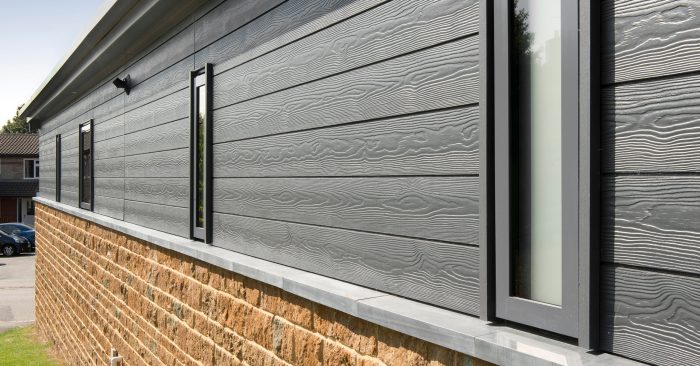
Fiber cement siding offers a durable and attractive exterior for your home, but proper installation and ongoing maintenance are crucial for maximizing its lifespan and aesthetic appeal. This section details the process of installation, highlighting necessary tools and techniques, and provides guidance on effective cleaning and maintenance strategies.
Tools and Equipment for Fiber Cement Siding Installation
Successful fiber cement siding installation requires the right tools. Improper tools can lead to damage to the siding, inefficient work, and even injury. Having all necessary equipment readily available before starting will streamline the process.
- Measuring tape and level: Accurate measurements are essential for proper alignment and cut.
- Circular saw with a carbide-tipped blade specifically designed for fiber cement: This ensures clean cuts and prevents chipping.
- Safety glasses and dust mask: Fiber cement dust is irritating and potentially harmful; protection is paramount.
- Work gloves: Protect your hands from cuts and splinters.
- Hammer, nails, and a nail gun (optional but recommended for efficiency): Securing the siding correctly is vital for longevity.
- Caulk gun and appropriate caulk: Sealing gaps and joints prevents water infiltration.
- Ladder and scaffolding (as needed): Safe and easy access to all areas of the house is essential.
- Jigsaw (for intricate cuts): Useful for cutting around windows and other complex areas.
- Pry bar: Helpful for removing old siding or prying boards apart for installation.
Step-by-Step Guide to Fiber Cement Siding Installation
Installing fiber cement siding is a multi-step process that demands precision and attention to detail. Following these steps will ensure a professional-looking and long-lasting finish.
- Preparation: Begin by removing old siding, ensuring the underlying sheathing is sound and properly prepared. This may involve repairing or replacing damaged areas.
- Framing and Sheathing: Install any necessary furring strips to create a level surface for the siding. Ensure the sheathing is properly fastened and sealed to prevent moisture penetration.
- Starter Strip Installation: A starter strip provides a consistent starting point for the siding installation, ensuring proper alignment and spacing.
- Siding Installation: Install the siding panels, overlapping them according to manufacturer’s instructions. Use appropriate fasteners and ensure proper spacing for expansion and contraction.
- Cutting and Fitting: Accurately cut the siding panels around windows, doors, and corners using a circular saw or jigsaw. Ensure tight fits to prevent water leakage.
- Caulking and Sealing: Apply caulk to all seams, joints, and gaps to prevent water penetration. This is crucial for preventing moisture damage.
- Finishing: Install trim and accessories as needed, ensuring a clean and professional finish.
Cleaning and Maintaining Fiber Cement Siding
Regular cleaning and maintenance are essential to preserve the appearance and longevity of your fiber cement siding. Neglecting this can lead to premature deterioration and costly repairs.
Cleaning should be performed at least once or twice a year, depending on environmental factors such as pollen, dust, and pollution levels. A simple solution of water and mild detergent applied with a soft-bristled brush or pressure washer (low pressure setting) is usually sufficient. For stubborn stains, a specialized fiber cement cleaner may be necessary. Always follow the manufacturer’s instructions for cleaning products. Regular inspection for damage, such as cracks or loose panels, is also recommended. Addressing minor issues promptly prevents them from becoming major problems.
Regular cleaning and prompt attention to minor damage are key to extending the lifespan of your fiber cement siding.
Styles and Colors of Fiber Cement Siding
Fiber cement siding offers a surprisingly diverse range of styles and colors, allowing homeowners to achieve a wide variety of aesthetic looks for their homes. The choice of style and color significantly impacts the overall curb appeal and can even influence the perceived value of the property. Understanding the options available is crucial for making informed decisions during the design and construction phases.
Fiber Cement Siding Styles and Textures
The visual appeal of fiber cement siding is enhanced by its ability to mimic the appearance of other materials, while offering superior durability. Different manufacturers offer various textures and profiles to achieve different aesthetic effects.
Imagine a home clad in siding that perfectly replicates the look of natural wood clapboard. The deep grooves and slightly irregular edges create a classic, timeless appeal, fitting well with traditional architectural styles. Then, picture a modern home featuring sleek, smooth panels, almost resembling painted stucco. The clean lines and minimalist aesthetic provide a contemporary feel. Finally, envision a rustic farmhouse adorned with siding that emulates the rough texture of aged barn wood, complete with subtle variations in color and tone. This creates a sense of warmth and character. Each style creates a completely different mood and complements a different architectural design.
Fiber Cement Siding Color Options
A vast palette of colors is available for fiber cement siding, providing flexibility in design. Many manufacturers offer standard color options, but custom color matching is also frequently available.
Common color choices range from classic neutrals like beige, gray, and white, which offer timeless appeal and versatility, to bolder colors like deep blues, greens, and reds, which can create a more dramatic and eye-catching look. The choice of color is influenced by factors such as the home’s architectural style, the surrounding landscape, and the homeowner’s personal preferences. For example, a coastal home might benefit from lighter, brighter colors that reflect the sunlight, while a home nestled in a wooded area might look better with earth tones that blend seamlessly with the natural surroundings. Furthermore, darker colors can help reduce heat absorption in warmer climates, while lighter colors can reflect more light and help keep the house cooler.
Impact of Color and Texture on Home Appearance
The combined effect of color and texture significantly influences the overall appearance of a house. A home with smooth, light-colored siding will appear larger and more open, while a home with textured, dark-colored siding might feel more intimate and grounded.
For example, a Victorian-style home might be enhanced by using a darker color with a textured, wood-like finish to emphasize its ornate details. Conversely, a contemporary ranch-style home might benefit from a smooth, light-gray finish to create a clean, minimalist aesthetic. The interplay between these factors is crucial in determining the final look and feel of the property, creating a cohesive and visually appealing design.
Environmental Impact of Fiber Cement Siding
Source: aspenexterior.com
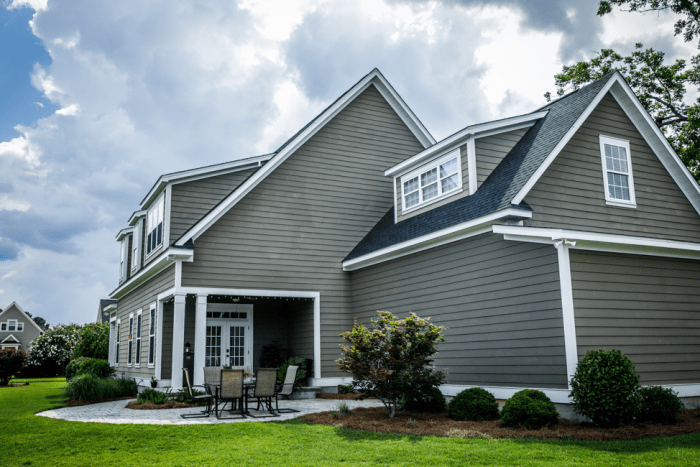
Fiber cement siding presents a complex environmental picture, balancing several benefits against some drawbacks. While it offers a longer lifespan and durability compared to other materials, its manufacturing process and eventual disposal require careful consideration. Understanding its full environmental impact allows for informed decisions in construction and building material choices.
Choosing sustainable building materials is crucial for minimizing the overall environmental footprint of a building project. Fiber cement siding’s place within this broader context needs to be examined through its life cycle, from manufacturing to disposal.
Environmental Benefits of Fiber Cement Siding
The positive environmental aspects of fiber cement siding stem largely from its durability and longevity. A longer-lasting product means less frequent replacement, reducing the need for resource extraction and manufacturing of new materials over time. This translates to lower overall energy consumption and reduced greenhouse gas emissions compared to more frequently replaced siding options.
- Reduced Resource Consumption: The extended lifespan of fiber cement siding minimizes the need for frequent replacements, thus conserving natural resources.
- Lower Carbon Footprint: Compared to some other siding materials, the reduced frequency of replacement contributes to a lower overall carbon footprint over the building’s lifespan.
- Recycled Content: Some manufacturers incorporate recycled materials into their fiber cement products, further reducing the environmental impact.
Environmental Drawbacks of Fiber Cement Siding
Manufacturing fiber cement siding involves energy-intensive processes and the use of certain materials that raise environmental concerns. While these are mitigated by the product’s longevity, it’s important to be aware of these drawbacks.
- Energy-Intensive Manufacturing: The production process requires significant energy input, leading to greenhouse gas emissions.
- Cement Production: Cement production, a key component of fiber cement, is a major source of carbon dioxide emissions.
- Asbestos Concerns (Historically): Although modern fiber cement siding is asbestos-free, older products may contain asbestos, posing a significant health and environmental hazard if improperly handled or disposed of.
Sustainability and Green Building Practices
Fiber cement siding’s role in green building practices is a matter of weighing its advantages against its disadvantages. Its durability contributes to a reduced overall environmental impact over the long term, making it a viable option for sustainable construction. However, the high initial embodied energy and potential for environmental damage during disposal need careful management. The use of recycled materials in some fiber cement products further enhances its sustainability profile. Ultimately, its sustainability is context-dependent and should be considered in the broader scope of the building’s design and materials choices.
Disposal Methods and Recycling Options
The disposal and recycling of fiber cement siding varies depending on local regulations and the availability of recycling programs. In some areas, it can be disposed of in landfills, while others may have specific recycling options. It’s crucial to check with local waste management authorities for guidance on proper disposal procedures. While not widely recycled on a large scale currently, research into improved recycling methods for fiber cement is ongoing. The potential for future recycling advancements could further enhance the material’s overall environmental profile.
Fiber Cement Siding vs. Other Siding Materials
Choosing the right siding for your home is a crucial decision impacting aesthetics, durability, and long-term costs. This section compares fiber cement siding with popular alternatives – vinyl, wood, and aluminum – to help you make an informed choice. We’ll examine their performance characteristics to highlight the strengths and weaknesses of each.
Fiber cement, vinyl, wood, and aluminum siding each offer unique properties that make them suitable for different applications and budgets. Understanding these differences is key to selecting the best option for your specific needs and climate.
Comparison of Siding Materials
| Characteristic | Fiber Cement | Vinyl | Wood | Aluminum |
|---|---|---|---|---|
| Durability | High; resists rot, insects, and fire | Moderate; susceptible to impact damage | Low to moderate; susceptible to rot, insects, and fire | High; resists rot and insects |
| Maintenance | Low; occasional cleaning | Low; occasional cleaning | High; requires regular painting and maintenance | Low; occasional cleaning |
| Cost | High | Low to moderate | Moderate to high | Moderate |
| Appearance | Versatile; can mimic wood or other textures | Limited variety of colors and textures | Natural and varied appearance | Limited variety of colors and textures |
| Insulation | Moderate | Low | Moderate to high (depending on type) | Low |
| Lifespan | 50+ years | 20-30 years | 15-30 years (depending on maintenance) | 30-50 years |
| Fire Resistance | Excellent | Poor | Poor | Good |
Situations Where Fiber Cement Siding is Most Suitable
Fiber cement siding excels in situations demanding high durability and low maintenance. It’s an ideal choice for homes in areas prone to extreme weather conditions, such as hurricanes, wildfires, or heavy snowfall. Its resistance to rot, insects, and fire makes it a particularly attractive option in humid climates or areas with high wildfire risk. Furthermore, its longevity translates to long-term cost savings compared to materials requiring more frequent replacement or repair. For example, a coastal home facing harsh winds and salt spray would benefit greatly from fiber cement’s resilience. Similarly, a home in a fire-prone area would find its fire-resistant properties invaluable.
Factors to Consider When Choosing Siding
Several factors should guide your siding material selection. Climate plays a crucial role; materials like wood may not be suitable in consistently wet or cold climates. Budget is another key consideration; fiber cement is more expensive upfront but offers long-term cost savings. Aesthetic preferences also influence the choice; the desired look and feel of the home should align with the siding’s appearance. Finally, the homeowner’s DIY skills and maintenance preferences should be factored in; some materials require more upkeep than others. For instance, a homeowner prioritizing low maintenance might choose fiber cement or vinyl, while someone seeking a rustic aesthetic might opt for wood, understanding the increased maintenance commitment.
Last Recap
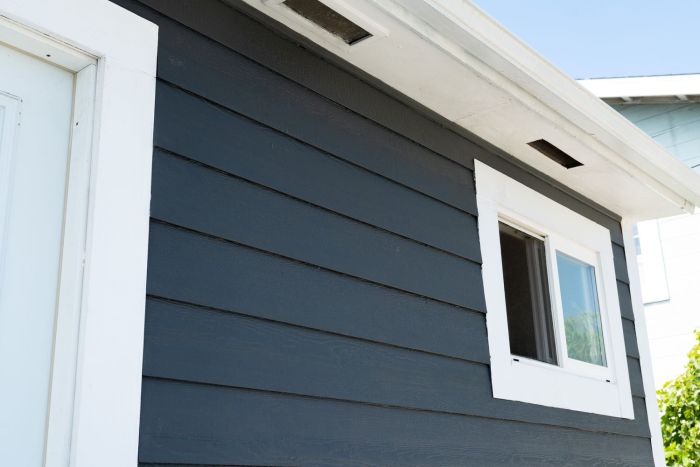
Source: thespruce.com
Ultimately, the decision of whether or not to choose fiber cement siding hinges on a careful consideration of your specific needs and priorities. While it presents significant advantages in terms of durability, longevity, and low maintenance, factors like initial cost and installation complexity must also be weighed. By understanding the full spectrum of its properties – from its resistance to fire and pests to its environmental impact – you can confidently determine if fiber cement siding is the ideal solution for your home’s exterior.
FAQ Resource
Can fiber cement siding be painted?
Yes, fiber cement siding can be painted, offering a wide range of color customization options. Use a paint specifically designed for exterior use and follow manufacturer instructions.
How long does it take to install fiber cement siding?
Installation time varies depending on the size of the project and the complexity of the design. However, it generally takes longer than vinyl siding installation.
Is fiber cement siding prone to mold growth?
Fiber cement siding is highly resistant to mold and mildew due to its non-porous nature. Proper cleaning and maintenance will further prevent growth.
What is the warranty typically offered on fiber cement siding?
Warranties vary by manufacturer, but typically cover defects in materials and workmanship for a period of several years, often 15-30 years.
Can I install fiber cement siding myself?
While possible for experienced DIYers, installing fiber cement siding is a challenging task that requires specific tools and skills. Professional installation is often recommended.
Comments are closed.