Cement Siding A Comprehensive Guide
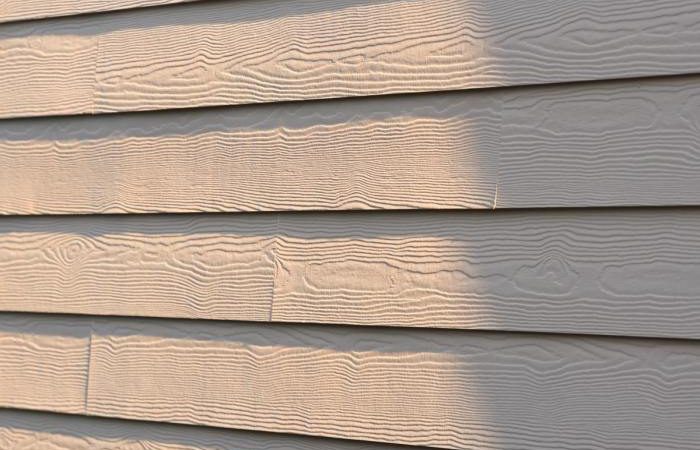
Cement siding offers a durable and low-maintenance exterior cladding option for homes and buildings. This guide dives into the specifics of cement siding, from its manufacturing process and diverse types to its installation, maintenance, cost considerations, and environmental impact. We’ll explore its advantages and disadvantages, compare it to other materials, and offer design inspiration to help you decide if cement siding is right for your project.
We’ll cover everything from choosing the right type of cement siding for your climate and architectural style to understanding the long-term costs and environmental implications. Get ready to learn about this versatile and increasingly popular building material!
What is Cement Siding?
Source: modern-materials.com
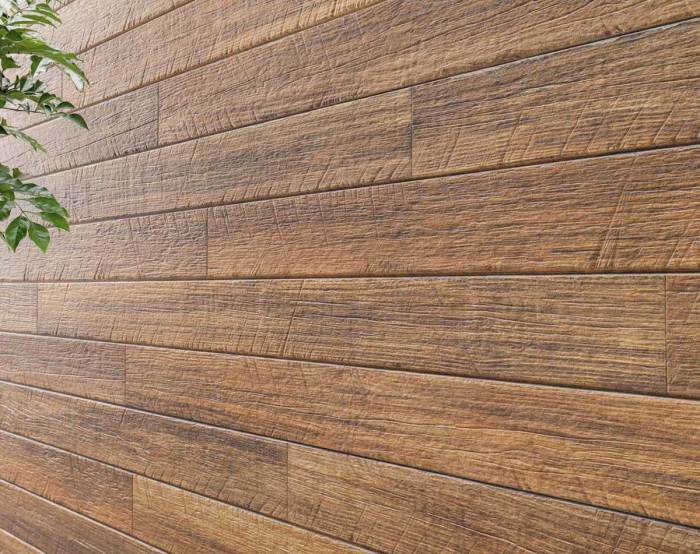
Cement siding, also known as fiber cement siding, is a popular exterior cladding material offering a durable and low-maintenance alternative to traditional materials like wood and vinyl. It’s a composite material made from a mixture of Portland cement, cellulose fibers, and other additives, resulting in a product that’s remarkably strong and resistant to the elements. Its versatility in design and color options makes it a sought-after choice for homeowners and builders alike.
Cement Siding Manufacturing
The manufacturing process begins with mixing Portland cement, cellulose fibers (often wood pulp), and other additives like sand, silica, and mineral fillers. This mixture is then blended thoroughly to create a homogenous slurry. This slurry is then formed into the desired shapes and sizes—typically planks or panels—using specialized machinery. After forming, the material undergoes a curing process, usually involving steam or heat, to harden the cement and strengthen the composite. Finally, the cured siding is cut to size, and may undergo a finishing process, such as painting or texturing, to enhance its aesthetic appeal. The entire process ensures a consistent product with high durability and dimensional stability.
Types of Cement Siding
Several types of cement siding are available, each with its characteristics and applications. These variations primarily relate to the manufacturing process and the resulting texture and appearance. For instance, some siding may have a smooth finish, while others mimic the look of wood grain or even stone. The thickness and size of the panels also vary depending on the manufacturer and intended use. While the core composition remains relatively consistent, the surface treatments and manufacturing techniques can significantly impact the final product’s aesthetic qualities and price point.
Cement Siding vs. Other Cladding Materials
Compared to vinyl siding, cement siding offers superior durability and resistance to fire, impact, and pests. However, it is typically more expensive and heavier to install. Against wood siding, cement siding provides better protection against rot, insect infestation, and fire, although it lacks the natural warmth and aesthetic appeal of real wood. Brick, on the other hand, offers exceptional durability and fire resistance but is significantly more expensive and labor-intensive to install than cement siding. Ultimately, the best choice depends on budget, aesthetic preferences, and the specific requirements of the project.
Architectural Styles Suited to Cement Siding
Cement siding’s versatility makes it suitable for a wide range of architectural styles. Its ability to mimic other materials, such as wood or stone, broadens its design applications.
| Style Name | Image Description | Suitable Climate | Common Features |
|---|---|---|---|
| Craftsman | Imagine a home with low-pitched gables, exposed rafters, and a prominent front porch, all clad in horizontally-laid cement siding that has been textured to resemble natural wood grain. The color is a warm, earthy brown. | Mild to moderate climates | Horizontal siding, natural-looking textures, earthy tones, prominent porch |
| Farmhouse | Picture a spacious home with a simple, symmetrical facade. The cement siding is painted a crisp white, with dark grey trim around the windows and doors. The siding has a smooth finish. | Most climates | Simple lines, symmetrical design, often white or light-colored siding, large windows |
| Modern Farmhouse | Visualize a home that blends modern and farmhouse aesthetics. The cement siding is a muted grey, with black window frames and a clean, minimalist design. The siding is smooth. | Most climates | Clean lines, neutral colors, large windows, often incorporates industrial elements. |
| Victorian | Envision an ornate home with intricate detailing, such as gingerbread trim and bay windows. The cement siding is painted a dark, rich color, such as deep green or burgundy, to complement the detailed trim. The siding might have a textured finish. | Mild climates | Intricate detailing, multiple rooflines, asymmetrical design, dark, rich colors |
Advantages and Disadvantages of Cement Siding
Cement siding, also known as fiber cement siding, offers a compelling blend of durability and aesthetics. It’s a popular choice for homeowners seeking a low-maintenance, long-lasting exterior cladding option. However, like any building material, it comes with its own set of pros and cons that need careful consideration before making a purchase decision. This section will delve into the key advantages and disadvantages to help you make an informed choice.
Durability and Longevity of Cement Siding
Cement siding boasts exceptional durability and longevity, significantly outlasting many other siding materials. Its composition – a mixture of cement, cellulose fibers, and sand – creates a remarkably strong and resilient product resistant to damage from impacts, harsh weather conditions, and insect infestations. Properly installed cement siding can easily last for 50 years or more, potentially even exceeding a century with minimal maintenance. This longevity translates to significant long-term cost savings compared to materials requiring more frequent replacements. The material’s inherent fire resistance is another key benefit, providing an extra layer of safety for your home.
Maintenance Requirements of Cement Siding
While cement siding is incredibly durable, it still requires some maintenance to ensure its longevity and aesthetic appeal. Regular cleaning, typically with a pressure washer, is essential to remove dirt, grime, and mildew buildup. Minor repairs, such as patching small cracks or replacing damaged sections, might be needed over time, but these are generally straightforward and less frequent than with other siding materials. Unlike wood siding, cement siding doesn’t require regular painting or staining, significantly reducing maintenance time and costs. However, periodic inspections for cracks or damage are recommended to address any issues promptly.
Drawbacks of Cement Siding: Cost and Installation Complexity
One of the primary drawbacks of cement siding is its cost. It’s typically more expensive than vinyl or wood siding, making it a significant investment upfront. The higher cost is partly due to the material’s superior durability and longevity, but it’s still a factor to consider in your budget planning. Installation can also be more complex and time-consuming than other siding types, requiring specialized tools and experienced installers. This added labor cost further contributes to the overall expense. The weight of cement siding also needs to be factored in; the structure needs to be able to support the extra weight.
Real-World Examples of Cement Siding Installations
Understanding the factors that contribute to successful and unsuccessful cement siding installations is crucial. Let’s look at some examples:
- Example 1: Successful Installation
* Description: A two-story home in a coastal area with high winds and frequent rain received cement siding. The installers were experienced professionals who properly prepared the surface, used high-quality fasteners, and ensured proper sealing around windows and doors.
* Outcome: The siding has remained in excellent condition for over 15 years, weathering numerous storms without significant damage. Minimal maintenance has been required. - Example 2: Unsuccessful Installation
* Description: A homeowner attempted a DIY installation of cement siding on a ranch-style home. They lacked experience, used improper fasteners, and failed to adequately seal around windows.
* Outcome: Within a few years, the siding began to show signs of water damage, cracking, and loose panels. Significant repairs were required, ultimately costing more than professional installation would have.
Installation and Maintenance of Cement Siding
Source: nichiha.com
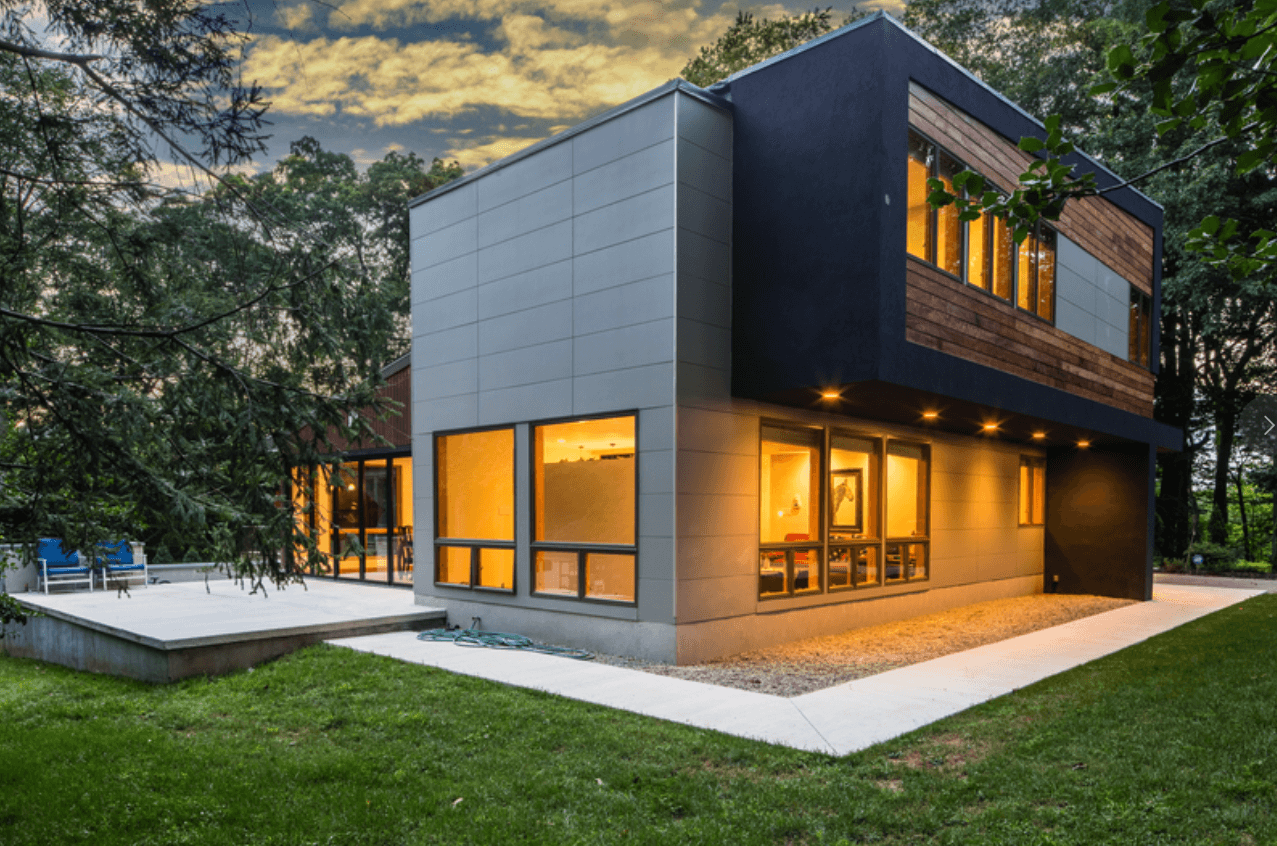
Cement siding installation is a more involved process than some other siding types, requiring careful planning and execution. Proper installation ensures longevity and protects your home effectively. Understanding the steps involved and the necessary tools will help you achieve a professional-looking and durable result, whether you’re doing it yourself or hiring a contractor.
Tools and Materials Required for Cement Siding Installation
Gathering all necessary materials and tools beforehand streamlines the installation process and minimizes delays. Having everything organized will ensure a smoother workflow. This includes both the raw materials for the siding itself and the specialized tools required for proper installation and cutting.
- Cement siding panels: Choose panels appropriate for your climate and aesthetic preferences. Consider thickness and color variations.
- Furring strips: These create an air gap between the house and siding, improving insulation and ventilation.
- Flashing: Essential for preventing water damage around windows and doors.
- Nails or screws: Use galvanized fasteners specifically designed for cement siding to ensure longevity and prevent corrosion.
- Caulk: High-quality exterior-grade caulk seals gaps and provides weather protection.
- Measuring tape, level, chalk line: Accurate measurements are crucial for straight and even installation.
- Circular saw with a masonry blade: Used for cutting cement siding panels to size. A wet saw is preferable to reduce dust.
- Safety glasses and gloves: Essential for protecting your eyes and hands from flying debris and sharp edges.
- Ladder: Stable and appropriately sized for safe access to all areas.
- J-channel and corner trim: These provide a neat finish at the edges and corners of the siding.
Step-by-Step Cement Siding Installation Process
The installation process is methodical, starting with preparation and ending with finishing touches. Each step is vital for a successful and lasting installation.
- Preparation: Begin by thoroughly cleaning the existing wall surface. Repair any damage to the underlying structure. Install furring strips to create an air gap for ventilation.
- Installation of Flashing: Install flashing around windows and doors to prevent water penetration. Ensure proper overlap and sealing.
- Installing the First Course: Start at a corner or a prominent point, ensuring the first panel is perfectly level and plumb. Secure it with appropriate fasteners.
- Installing Subsequent Courses: Continue installing panels, ensuring proper overlap and alignment. Use a level to maintain consistent spacing and avoid gaps.
- Cutting and Fitting Panels: Measure and cut panels as needed to fit around windows, doors, and other obstructions. Use a wet saw to minimize dust and ensure clean cuts.
- Installation of Trim: Install J-channel and corner trim to finish the edges and corners of the siding. Ensure proper alignment and sealing.
- Caulking: Caulk all seams and gaps to ensure watertightness. Use a high-quality exterior-grade caulk.
Cement Siding Inspection and Maintenance Checklist
Regular inspection and maintenance will extend the life of your cement siding. A simple checklist can help you stay on top of necessary repairs and prevent larger problems.
- Inspect for Cracks: Regularly check for cracks or chips in the siding, paying particular attention to areas exposed to harsh weather.
- Check for Loose Fasteners: Inspect fasteners to ensure they are securely attached. Tighten or replace any loose fasteners.
- Examine Caulking: Check caulk lines for cracks or gaps. Re-caulk as needed to maintain a watertight seal.
- Look for Water Damage: Inspect for signs of water damage, such as discoloration or mold growth.
- Clean the Siding: Wash the siding periodically with a mild detergent and water to remove dirt and grime. Avoid harsh chemicals.
Repairing Common Damage to Cement Siding
Minor damage, such as cracks and chips, can often be repaired relatively easily. Prompt attention prevents larger issues.
Cracks: Small cracks can often be repaired using a high-quality exterior-grade patching compound. Clean the crack thoroughly, apply the compound, and smooth it to match the surrounding surface. Allow ample drying time before painting.
Chips: For chips, the process is similar. Clean the area, apply the patching compound, and carefully feather the edges to blend seamlessly with the existing surface. A small amount of paint may be needed to match the surrounding area.
Larger Damage: For more extensive damage, professional repair may be necessary. Ignoring significant damage can lead to more extensive and costly repairs down the line.
Cost and Budget Considerations
Source: sunshinecontractingcorp.com
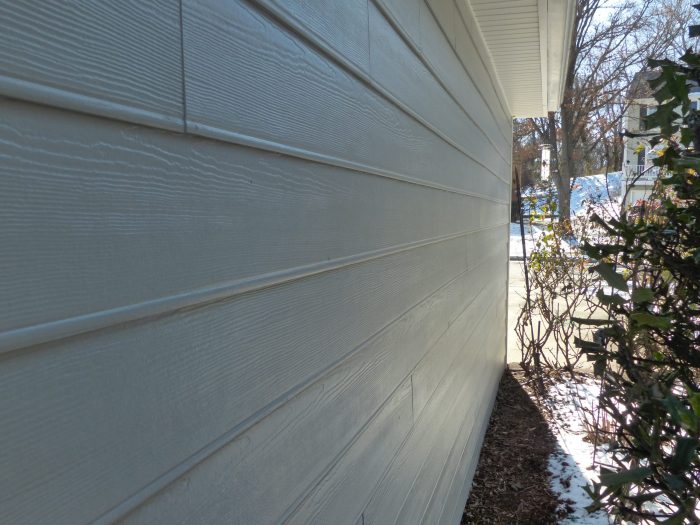
Cement siding is a durable and attractive option, but it’s crucial to understand the associated costs before committing to a project. The overall expense depends heavily on factors like the size of your home, the complexity of the installation, and your chosen contractor. This section will break down the costs and help you create a realistic budget.
The initial investment for cement siding is generally higher than that of vinyl or wood siding. However, its longevity and low maintenance requirements often make it a cost-effective choice in the long run. Let’s delve into a more detailed cost analysis and budget example.
Cost Breakdown of Cement Siding
Several factors contribute to the final cost of cement siding. Material costs vary based on the type of cement siding (e.g., fiber cement, concrete panels), color, texture, and the supplier. Labor costs are influenced by the size and complexity of your home’s exterior, the accessibility of the work area, and the contractor’s hourly rate or project fee. Permits are required in most jurisdictions and their cost varies by location and the scope of the project. Finally, any necessary repairs or prep work to the existing siding will add to the overall expense. It’s important to get multiple quotes from reputable contractors to compare pricing and ensure you’re getting a fair deal.
Long-Term Cost-Effectiveness, Cement siding
While the upfront cost of cement siding might seem high, its long lifespan and low maintenance significantly reduce overall long-term expenses. Unlike wood siding, which requires regular painting and potential repairs due to rot or insect damage, cement siding is resistant to these issues. Vinyl siding, while initially less expensive, may fade or become brittle over time, requiring replacement sooner than cement siding. Consider the total cost of ownership over, say, 30 years – factoring in material costs, installation, maintenance, and potential replacements – to accurately compare the long-term value of different siding options. For example, while vinyl siding might be cheaper initially, needing replacement after 15 years would negate its initial cost advantage compared to cement siding lasting 30 years or more with minimal maintenance.
Sample Budget for a Cement Siding Project
This sample budget provides a general estimate. Actual costs will vary based on your specific project. Always get detailed quotes from multiple contractors before finalizing your budget.
| Budget Item | Estimated Cost | Notes | Total Cost |
|---|---|---|---|
| Materials (Cement Siding, Fasteners, etc.) | $8,000 – $15,000 | Price varies greatly depending on the type, quantity, and supplier. | $11,500 |
| Labor (Installation, Prep Work) | $5,000 – $12,000 | Labor costs depend on the size of the house and the complexity of the job. | $8,500 |
| Permits and Inspections | $500 – $1,500 | Permit fees vary by location and project scope. | $1,000 |
| Contingency (Unexpected Costs) | $1,000 – $2,000 | Always allocate a contingency for unforeseen issues. | $1,500 |
| Total Estimated Cost | $22,500 |
Environmental Impact of Cement Siding
Cement siding, while a durable and aesthetically pleasing option for home exteriors, carries a significant environmental footprint throughout its lifecycle. Understanding this impact is crucial for making informed choices about building materials and minimizing our environmental burden. This section explores the environmental considerations associated with cement siding production, use, and disposal.
Cement Manufacturing and Carbon Emissions
The manufacturing process of cement is energy-intensive and a major contributor to greenhouse gas emissions. The production of Portland cement, the primary ingredient in most cement siding, involves heating limestone and clay to extremely high temperatures in a kiln. This process releases significant amounts of carbon dioxide (CO2), a potent greenhouse gas. Estimates suggest that cement production accounts for around 7% of global CO2 emissions. The transportation of raw materials and finished products also adds to the overall carbon footprint. For example, a study by the World Green Building Council highlighted that the embodied carbon in cement-based materials can be substantial, especially when compared to materials with lower embodied energy. To put this in perspective, consider a typical 1500 sq ft house; the cement siding alone might contribute a significant portion of the building’s overall carbon footprint, comparable to the emissions from driving a car for several years.
Comparison to Other Building Materials
Compared to other common siding materials, cement siding’s environmental impact varies. Wood siding, for example, is a renewable resource, but its harvesting and processing can still have environmental consequences depending on forestry practices. Vinyl siding, while often touted as low-maintenance, is a petroleum-based product with a significant carbon footprint and limited recyclability. Fiber cement siding, a composite material, generally has a lower carbon footprint than pure cement siding due to the inclusion of cellulose fibers, but its environmental impact is still higher than some alternatives like responsibly sourced wood or recycled materials. The overall comparison depends heavily on the specific manufacturing processes and sourcing of each material. A life-cycle assessment, comparing the entire production, use, and end-of-life stages, is necessary for a thorough evaluation.
Recyclability and Disposal Options
Cement siding is not easily recyclable in the same way as some other materials. While some demolition debris can be reused as aggregate in new concrete, the process of separating and processing cement siding for recycling is often economically unfeasible. Disposal usually involves sending it to landfills, which contributes to land use and potential environmental contamination. However, responsible demolition and salvage practices can minimize waste by reusing intact siding panels in other projects. The potential for repurposing or downcycling cement siding needs further exploration and development to improve its end-of-life management.
Minimizing Environmental Impact During Installation and Maintenance
Several practices can minimize the environmental impact of cement siding throughout its lifecycle. Careful planning and efficient installation can reduce material waste. Using locally sourced materials reduces transportation emissions. Proper maintenance, including timely repairs, extends the lifespan of the siding, reducing the need for premature replacement. Choosing low-VOC (volatile organic compounds) paints and sealants for maintenance further minimizes air pollution. Finally, opting for fiber cement siding, with its lower embodied carbon, presents a more environmentally friendly choice within the cement-based siding category.
Aesthetic Considerations
Source: homewaresinsider.com
Cement siding, while known for its durability, offers surprising versatility in aesthetics. The ability to customize color and texture significantly impacts a building’s overall appearance, allowing for a wide range of design choices, from modern minimalism to classic charm. The careful consideration of these factors is crucial in achieving a visually appealing and harmonious exterior.
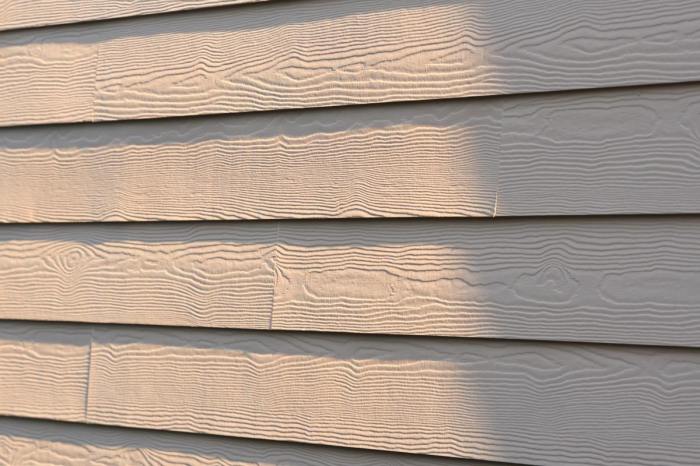
The color and texture of cement siding are key determinants of a building’s aesthetic appeal. A light-colored siding, for instance, can make a structure appear larger and brighter, particularly beneficial in smaller homes or shaded areas. Conversely, darker shades can create a more imposing and dramatic look, suitable for larger, more substantial buildings. Textured siding, mimicking wood grain or stone, adds depth and visual interest, while smooth finishes provide a sleek, contemporary feel. The interplay between color and texture allows for a vast array of stylistic possibilities.
Color and Texture Effects on Building Appearance
Different colors evoke different moods and create varied impressions. Warm earth tones, such as browns and tans, often convey a sense of rustic charm and blend seamlessly with natural surroundings. Cool grays and blues provide a more modern, sophisticated feel, while vibrant colors can add a playful or bold statement. The texture similarly plays a role; a rough, textured surface can add a sense of warmth and age, whereas a smooth surface creates a cleaner, more contemporary look. Consider the surrounding landscape and the overall architectural style when choosing both color and texture. For example, a house nestled amongst trees might benefit from earth-toned siding with a wood-grain texture, while a modern city dwelling might be better suited to smooth, gray siding.
Cement Siding in Different Architectural Styles
Cement siding adapts well to a variety of architectural styles. Its versatility allows it to complement both traditional and modern designs. For example, a home with a Craftsman style could effectively utilize cement siding in a warm brown or earth tone with a textured finish mimicking wood clapboard. A contemporary home, however, might be better suited to a smooth, light gray or white siding, creating a clean, minimalist aesthetic. The ability to replicate the appearance of other materials, such as brick or stone, further expands its design possibilities. A farmhouse could convincingly use cement siding textured to resemble aged wood, while a sleek modern home could use a smooth finish in a bold color to create a striking focal point.
Integrating Cement Siding with Other Exterior Materials
The successful integration of cement siding with other exterior materials is key to a cohesive and visually appealing design. Careful planning and selection of complementary materials are crucial.
- Combining with Stone or Brick: Using cement siding as a base and accenting with stone or brick around the foundation or chimney creates a classic, robust look. The contrast between textures and colors adds visual interest.
- Pairing with Wood Accents: Incorporating wood trim, window frames, or porch details can soften the look of cement siding, adding warmth and character. Choose wood tones that complement the siding’s color.
- Complementing with Metal Roofing: A metal roof, especially in a contrasting color, can create a striking juxtaposition with cement siding, resulting in a modern and stylish exterior.
- Using Stucco for a Seamless Transition: Stucco can provide a smooth transition between cement siding and other elements, creating a cohesive look. Ensure the colors and textures complement each other.
- Consider Material Transitions: Carefully plan the transitions between materials to avoid abrupt changes. Using trim or other architectural details can help to soften the transition and create a more visually appealing result.
Lighting and Cement Siding
Lighting plays a significant role in showcasing the texture and color of cement siding. Strategic placement of exterior lighting can highlight architectural details and create a welcoming atmosphere. Uplighting can accentuate the texture of the siding, while downlighting can create a more subdued and elegant look. Avoid harsh lighting that washes out the color or creates harsh shadows. Warm-toned lighting complements earth tones, while cooler tones work well with gray or blue siding. Poorly placed lighting can create harsh shadows that detract from the siding’s appearance, obscuring its texture and color. Conversely, well-placed lighting can emphasize its positive attributes and enhance the overall curb appeal of the home.
Concluding Remarks
Ultimately, cement siding presents a compelling option for homeowners and builders seeking a long-lasting, low-maintenance, and aesthetically pleasing exterior. While the initial investment might be higher than some alternatives, the durability and longevity often make it a cost-effective choice in the long run. By carefully considering the factors discussed—from installation and maintenance to environmental impact and design integration—you can make an informed decision about whether cement siding is the right fit for your next project. Remember to always consult with professionals for accurate cost estimates and installation guidance.
FAQ Corner
Can cement siding be painted?
Yes, cement siding can be painted, but it’s crucial to use a paint specifically designed for masonry or concrete surfaces to ensure proper adhesion and longevity.
How long does cement siding last?
With proper maintenance, cement siding can last 50 years or more, significantly longer than many other siding materials.
Is cement siding fire-resistant?
Yes, cement siding is highly fire-resistant, offering a significant safety advantage over combustible materials like wood.
Does cement siding require special cleaning?
Regular cleaning with water and a soft brush is usually sufficient. Avoid harsh chemicals that could damage the surface.
How does cement siding withstand extreme weather?
Cement siding is highly resistant to extreme temperatures, moisture, and wind, making it suitable for a variety of climates.
Comments are closed.