Cement Board Siding A Comprehensive Guide
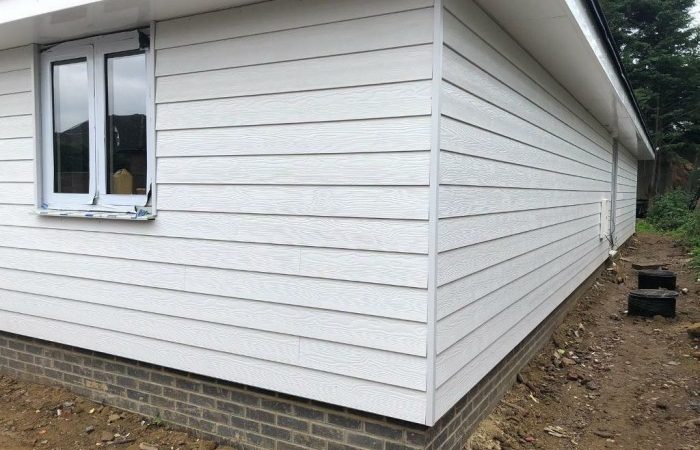
Cement board siding offers a durable and stylish exterior cladding option for homes and buildings. This guide dives into everything you need to know, from its manufacturing process and diverse types to installation, maintenance, and long-term cost-effectiveness. We’ll explore its advantages over other materials, address common concerns, and help you decide if cement board siding is the right choice for your project.
We’ll cover the key aspects, from choosing the right type of cement board siding and prepping your surface for installation, to understanding the long-term costs and environmental impact. We’ll also look at design options and how to maintain your siding to maximize its lifespan. Get ready to become a cement board siding expert!
Introduction to Cement Board Siding
Cement board siding, a popular exterior cladding option, offers a durable and low-maintenance alternative to traditional materials like wood and vinyl. It’s a composite material known for its strength, resistance to fire and moisture, and long lifespan. Let’s delve into its properties and compare it to other siding choices.
Cement Board Siding Manufacturing
Cement board siding is manufactured by combining Portland cement, sand, cellulose fibers, and other additives. These ingredients are mixed and formed into large sheets under high pressure. The sheets are then cured in a controlled environment to allow the cement to fully harden. Finally, they are cut to the desired size and often treated with a water-repellent sealant to enhance their weather resistance. Different manufacturers may use slightly varying formulas and processes, resulting in subtle differences in the final product.
Types of Cement Board Siding
The market offers several types of cement board siding, primarily differing in their surface texture and color options. Some are designed to mimic the look of wood, stone, or stucco, offering a wide range of aesthetic choices for homeowners. Others are available in a variety of solid colors, requiring less paint or staining. Many manufacturers also offer different thicknesses, with thicker boards providing greater strength and durability. The availability of specific types will vary depending on your region and supplier.
Advantages of Cement Board Siding
Cement board siding boasts several key advantages. Its exceptional durability makes it highly resistant to damage from impact, extreme weather, and pests. Its non-combustible nature provides superior fire protection compared to wood siding. Furthermore, its resistance to moisture and rot makes it a low-maintenance option, reducing the need for frequent repairs and replacements. The long lifespan of cement board siding contributes to its overall cost-effectiveness over the long term.
Cement Board Siding vs. Other Siding Materials
| Feature | Cement Board | Vinyl | Wood | Fiber Cement |
|---|---|---|---|---|
| Durability | High; resistant to impact, weather, and pests | Moderate; susceptible to dents and cracking | Low; prone to rot, insect damage, and weathering | High; similar to cement board |
| Cost | Moderate to High | Low to Moderate | Moderate to High | Moderate to High |
| Maintenance | Low | Low | High | Low |
| Fire Resistance | Excellent; non-combustible | Poor; flammable | Poor; flammable | Excellent; non-combustible |
Installation and Maintenance of Cement Board Siding
Source: architizer.com
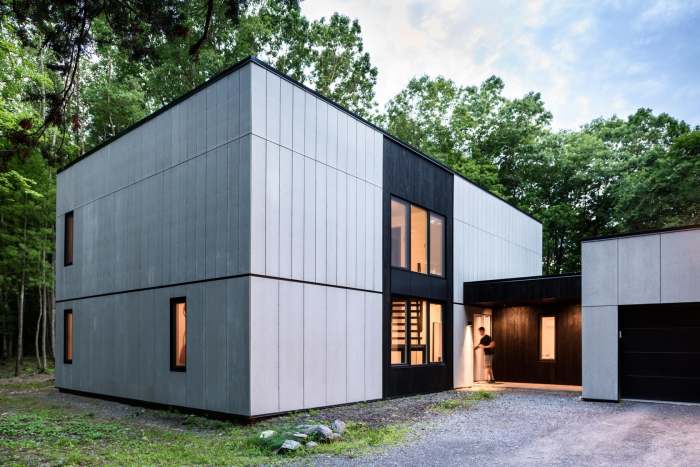
Cement board siding offers a durable and attractive exterior cladding option for homes. Proper installation and ongoing maintenance are key to maximizing its lifespan and ensuring its aesthetic appeal. This section details the process of installing cement board siding and guides keeping it in top condition.
Step-by-Step Cement Board Siding Installation
Installing cement board siding involves several crucial steps. First, prepare the surface thoroughly (detailed below). Then, begin installing the starter strip at the bottom of the wall, ensuring it’s level and plumb. Next, install the first row of cement boards, overlapping the starter strip and using appropriate fasteners. Continue installing rows, maintaining consistent spacing and ensuring proper alignment. Caulk all seams and joints to prevent water penetration. Finally, install trim and accessories to complete the installation. Remember to always follow the manufacturer’s specific instructions.
Surface Preparation Checklist
Thorough surface preparation is essential for a successful cement board siding installation. This checklist ensures a solid foundation for your siding:
- Remove any existing siding, ensuring the underlying structure is sound.
- Repair any damaged sheathing or framing, ensuring a smooth, level surface.
- Inspect for and address any water damage or insect infestation.
- Clean the surface of any dirt, debris, or loose materials.
- Apply a weather-resistant barrier or house wrap to protect against moisture.
- Install furring strips for proper ventilation and to create a level surface if needed.
Necessary Tools and Equipment
Having the right tools significantly streamlines the installation process. A comprehensive tool kit should include:
- Measuring tape and level
- Circular saw with a diamond blade (for cutting cement board)
- Drill with appropriate drill bits for fasteners
- Hammer or nail gun
- Safety glasses and gloves
- Caulk gun and exterior-grade caulk
- Scaffolding or ladder (for reaching higher areas)
- Utility knife
- Screws or nails appropriate for cement board
Cleaning and Maintenance of Cement Board Siding
Regular cleaning and maintenance are vital for preserving the appearance and longevity of cement board siding. Periodically, clean the siding using a pressure washer with a low-pressure nozzle to remove dirt and debris. Avoid using abrasive cleaners or brushes that could scratch the surface. For stubborn stains, use a mild detergent solution and a soft-bristled brush. Inspect the siding regularly for any signs of damage, such as cracks or loose fasteners. Address any issues promptly to prevent further damage. Consider applying a sealant every few years to protect against moisture.
Common Installation Issues and Solutions
Several issues might arise during cement board siding installation. Here are some common problems and their solutions:
- Uneven surface: Use furring strips to create a level surface before installation.
- Cracked boards: Use caution when cutting boards; use a sharp diamond blade and score the board before cutting. Replace any cracked boards immediately.
- Improper fastener spacing: Follow manufacturer’s recommendations for fastener spacing to ensure proper support.
- Water penetration: Ensure all seams and joints are properly caulked to prevent water ingress.
- Misaligned boards: Use a level and straight edge to ensure proper alignment during installation.
Durability and Lifespan of Cement Board Siding
Cement board siding, when properly installed and maintained, offers a remarkably long lifespan, significantly outlasting many other siding materials. However, its longevity isn’t guaranteed and depends on several interacting factors. Understanding these factors is crucial for maximizing the life of your cement board siding investment.
Factors influencing the lifespan of cement board siding include the quality of the product itself, the skill of the installation, the climate in which it’s installed, and the level of ongoing maintenance. A poorly installed system, even with high-quality materials, will degrade much faster than a well-installed system with slightly lower quality materials. Similarly, harsh weather conditions can accelerate deterioration, regardless of initial quality.
Vulnerabilities to Weather Conditions
Cement board siding is highly resistant to many weather elements, but it’s not impervious. Prolonged exposure to intense UV radiation from sunlight can cause fading and discoloration, particularly in lighter-colored boards. Freezing and thawing cycles, especially in climates with significant temperature fluctuations, can lead to minor cracking over time if moisture is allowed to penetrate the board. High winds carrying abrasive materials, such as sand or hail, can cause surface damage. Finally, coastal areas with high salinity can accelerate deterioration due to the corrosive effects of salt spray. Regular cleaning and sealing can mitigate some of these issues.
Resistance to Impact Damage, Moisture, and Fire
Cement board siding boasts superior resistance to impact compared to many alternatives like vinyl or wood siding. Its dense composition makes it relatively resistant to dents and scratches. However, significant impacts, such as from large hail or flying debris, can still cause damage. Regarding moisture, cement board siding is inherently resistant to water damage due to its non-porous nature. Proper sealing of joints and seams is critical to prevent water penetration, which could lead to internal damage and potential cracking. Cement board is also highly fire-resistant, receiving a Class A fire rating, meaning it can withstand extreme heat and flame exposure. This makes it a safer option in areas prone to wildfires.
Examples of Long-Term Applications
Cement board siding has proven its durability in diverse climates worldwide. Homes in arid southwestern states, exposed to intense sun and infrequent but heavy rains, have shown minimal degradation after decades of exposure. Similarly, homes in northern climates facing harsh winters with significant freeze-thaw cycles demonstrate excellent longevity with proper installation and maintenance. Coastal regions, while presenting challenges due to salt spray, still benefit from the material’s inherent resistance, provided regular cleaning and sealing practices are implemented. These examples highlight cement board’s adaptability and longevity across a wide range of environmental conditions.
Cost and Affordability of Cement Board Siding
Source: happho.com
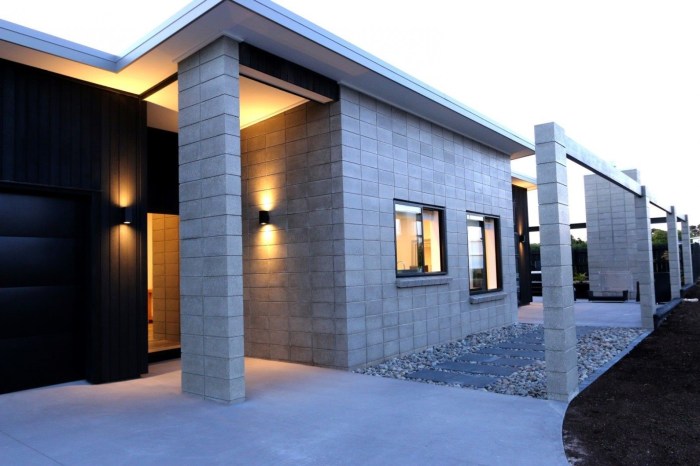
Cement board siding offers a durable and attractive exterior, but the cost is a significant factor to consider before committing to this siding option. Understanding the various costs involved, from materials to labor, and comparing it to alternatives, will help you make an informed decision. This section breaks down the cost aspects of cement board siding to help you assess its affordability for your project.
Cement Board Siding Cost Breakdown
The total cost of installing cement board siding is influenced by several factors. These include the size of your house, the complexity of the installation (e.g., intricate trim work), the chosen brand and thickness of the cement board, and regional labor rates. A general breakdown typically includes materials and labor costs. Materials encompass the cement board panels themselves, fasteners, flashing, trim, and any necessary underlayment. Labor costs depend on the contractor’s hourly rate and the time required for the project. Expect variations in prices across different regions. For example, a larger city might have higher labor costs compared to a rural area.
Comparison to Other Siding Options
Cement board siding usually sits in the mid-to-high range of siding costs when compared to other options like vinyl, wood, or fiber cement. Vinyl siding is typically the most affordable upfront, but may require replacement sooner than cement board. Wood siding offers a classic look but necessitates more maintenance and is prone to damage from rot and insects. Fiber cement, while similar in durability to cement board, can sometimes be slightly more expensive depending on the specific product and region. The long-term cost-effectiveness of cement board siding, however, often outweighs the higher initial investment.
Long-Term Cost-Effectiveness of Cement Board Siding
While the initial investment in cement board siding might be higher than some alternatives, its longevity and low maintenance requirements contribute to significant long-term cost savings. Cement board is exceptionally resistant to fire, insects, and rot, reducing the need for frequent repairs or replacements. This translates to lower maintenance costs over the siding’s lifespan, potentially saving thousands of dollars compared to materials requiring more frequent upkeep. For instance, a homeowner might avoid costly repairs due to wood rot or insect infestation, which are common with wood siding. The extended lifespan of cement board also reduces the need for future siding replacements, a considerable expense.
Price Variations Based on Brand and Thickness
The price of cement board siding varies depending on the manufacturer and the thickness of the panels. Thicker panels generally offer greater durability and strength but come at a higher cost. Below is a table illustrating potential price variations. Note that these are estimates and actual prices can fluctuate based on location, retailer, and current market conditions.
| Brand | Thickness (in) | Price per Sheet (USD – Estimate) | Notes |
|---|---|---|---|
| Brand A | 1/4 | $25 – $35 | Entry-level option; may be less durable |
| Brand B | 1/2 | $35 – $45 | Mid-range option; good balance of cost and durability |
| Brand C | 5/8 | $45 – $60 | Premium option; highest durability and impact resistance |
Aesthetic Considerations and Design Options
Source: alumtechbond.com
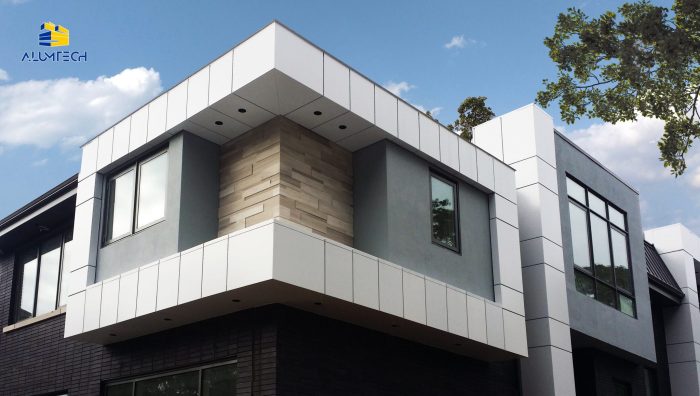
Cement board siding offers a surprisingly versatile aesthetic, moving beyond its reputation for simple functionality. Its adaptability allows for a wide range of design applications, enhancing both residential and commercial properties with a blend of durability and visual appeal. Understanding the color, texture, and integration possibilities unlocks its potential to dramatically improve curb appeal.
The inherent strength and longevity of cement board make it an ideal choice for a variety of architectural styles. Its ability to mimic other materials, like wood or stone, expands its design possibilities significantly. This allows for a cohesive and stylish exterior, without compromising on the material’s superior performance.
Color and Texture Options
A broad palette of colors is available in cement board siding, ranging from classic neutrals like gray and beige to bolder shades like deep blues and earthy greens. Many manufacturers offer a variety of pre-finished options, allowing for quick and easy installation. The textures also vary considerably, from smooth, almost stucco-like finishes to those that convincingly replicate the look of wood grain or even rough-hewn stone. This variety enables homeowners and builders to select the perfect match for their design vision, whether aiming for a modern minimalist aesthetic or a more traditional, rustic charm.
Integrating Cement Board Siding with Other Architectural Elements
Cement board siding seamlessly integrates with various architectural features. For instance, it can be used in conjunction with brick, stone, or vinyl siding to create a layered and visually interesting facade. Its compatibility with different trim styles and window designs further enhances its adaptability. The ability to use different colors and textures within the same cement board system allows for the creation of striking contrasts and visual interest. This can be achieved through the use of accent panels, horizontal or vertical banding, or the strategic placement of contrasting colors around windows and doors.
Cement Board Siding and Curb Appeal Enhancement
The right choice of cement board siding can significantly enhance a property’s curb appeal. The clean lines and consistent color of the material create a polished and sophisticated look. The durability of the material ensures the exterior maintains its attractive appearance for many years, minimizing the need for frequent repairs or repainting. Strategic use of color and texture can further highlight architectural details, drawing the eye to attractive features of the building and creating a welcoming and inviting atmosphere. A well-maintained cement board exterior projects an image of quality and longevity, increasing the property’s overall value.
Examples of House Styles Using Cement Board Siding
Imagine three distinctly different homes showcasing the versatility of cement board siding:
Home 1: A Modern Farmhouse: This home features a light gray cement board siding with a subtle wood-grain texture. The siding is complemented by crisp white trim around the windows and doors, creating a clean and contemporary feel. A dark gray metal roof and a simple, symmetrical facade complete the look, emphasizing the home’s clean lines and modern aesthetic.
Home 2: A Craftsman Bungalow: This bungalow boasts a rich, earthy brown cement board siding with a slightly textured surface that mimics the look of natural wood. Dark brown beams are used to accentuate the horizontal lines of the home, while a wide, covered porch, clad in the same cement board, provides a welcoming entryway. The roof is a dark brown shingle, creating a cohesive and traditional appearance.
Home 3: A Contemporary Minimalist Residence: This home utilizes a sleek, smooth, off-white cement board siding. The lack of ornamentation emphasizes the clean lines and minimalist design. Large windows and a flat roof further enhance the modern aesthetic. The siding’s subtle texture adds depth without detracting from the home’s overall simplicity and sophistication.
Environmental Impact of Cement Board Siding
Source: plasticbuildingproducts.au
Cement board siding, while offering many advantages in terms of durability and longevity, does have an environmental footprint that needs consideration. Its production, transportation, and eventual disposal all contribute to its overall impact on the planet. Understanding this impact allows for informed choices when selecting building materials.
Cement board manufacturing is an energy-intensive process. The production of cement, a key component, requires high temperatures in kilns, leading to significant greenhouse gas emissions, primarily carbon dioxide (CO2). Furthermore, the extraction and transportation of raw materials like clay, limestone, and sand also contribute to the overall carbon footprint. The manufacturing process also involves the use of other materials and energy, adding to its overall environmental burden.
Manufacturing Process Emissions
The cement industry is a major emitter of greenhouse gases. The high temperatures needed for cement production release significant amounts of CO2 into the atmosphere. The manufacturing process also generates other pollutants, such as particulate matter and nitrogen oxides. While advancements in kiln technology and alternative fuel sources are being explored to reduce these emissions, the overall environmental impact of cement production remains substantial. For example, studies have shown that the CO2 emissions from cement production can account for a significant percentage of the total carbon footprint of a building project, depending on the scale and material choices.
Comparison to Alternative Siding Materials
Compared to other siding materials, cement board’s environmental impact varies. Wood siding, for instance, can have a lower carbon footprint if sourced sustainably, but is susceptible to rot and insect damage, requiring more frequent replacement. Vinyl siding, while durable, is made from petroleum-based products, contributing to plastic pollution and greenhouse gas emissions. Metal siding, typically aluminum or steel, requires significant energy for manufacturing and transportation, and its disposal can be challenging. The overall “best” choice depends on a variety of factors, including the specific manufacturing processes, transportation distances, and the product’s lifespan. A life-cycle assessment comparing different siding materials would be necessary for a definitive comparison.
Sustainable and Eco-Friendly Aspects
While cement production has environmental drawbacks, cement board siding does offer some sustainable advantages. Its durability and long lifespan mean less frequent replacements compared to other materials, reducing the overall environmental impact over time. Additionally, some manufacturers are exploring the use of supplementary cementitious materials (SCMs) like fly ash and slag, which reduce the amount of Portland cement needed and lower CO2 emissions. The use of recycled materials in the manufacturing process could also contribute to greater sustainability.
Recyclability and Disposal Methods
Cement board siding is not readily recyclable in the same way as some other materials. However, it can be disposed of in landfills. In some areas, it may be possible to crush and use the material as aggregate in construction projects, reducing the need for virgin materials. It is crucial to check with local waste management authorities for specific disposal guidelines and options in your area. Proper disposal practices are essential to minimize the environmental impact of discarded cement board.
Final Thoughts
Cement board siding presents a compelling option for homeowners and builders seeking a durable, low-maintenance, and aesthetically pleasing exterior. While the initial investment might be higher than some alternatives, its longevity, resilience, and fire resistance often make it a worthwhile long-term investment. By understanding its properties, installation process, and maintenance requirements, you can confidently make an informed decision about whether cement board siding is the perfect fit for your next project. Remember to always consult with professionals for complex installations or significant repairs.
General Inquiries
Is cement board siding difficult to install?
While it requires some skill and the right tools, it’s not necessarily difficult. Many DIYers successfully install it, but for large projects or complex designs, professional installation is recommended.
How often should I clean my cement board siding?
A yearly cleaning with a pressure washer (low pressure setting) and mild detergent usually suffices. More frequent cleaning might be needed depending on your climate and environment.
Can I paint cement board siding?
Yes, many types of cement board siding can be painted, but it’s crucial to use exterior-grade paints designed for this material. Always prime the surface before painting for optimal adhesion and longevity.
What is the warranty on cement board siding?
Warranties vary depending on the manufacturer and the specific product. Check the manufacturer’s documentation for details on coverage and duration.
Does cement board siding attract pests?
Cement board siding itself doesn’t attract pests, unlike wood. However, pests might nest in gaps or cracks during installation, so proper installation is crucial.
Comments are closed.