Composite Exterior Cladding A Comprehensive Guide
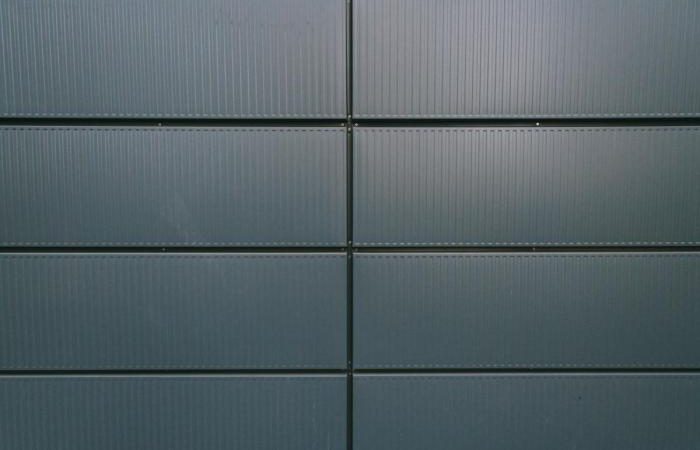
Composite exterior cladding offers a fantastic blend of aesthetics and performance, transforming building facades. This versatile material, available in a wide array of materials like wood, fiber cement, polymers, and metals, provides durability, weather resistance, and design flexibility. Understanding its composition, installation, and maintenance is key to successful projects, and this guide will walk you through everything you need to know.
From choosing the right material for your budget and climate to mastering installation techniques and ensuring long-term durability, we’ll cover it all. We’ll also explore design considerations, environmental impact, building codes, and cost analysis, providing you with a complete picture of this popular building material. Prepare to elevate your understanding of composite exterior cladding!
Material Composition and Properties of Composite Exterior Cladding
Source: artfasad.com
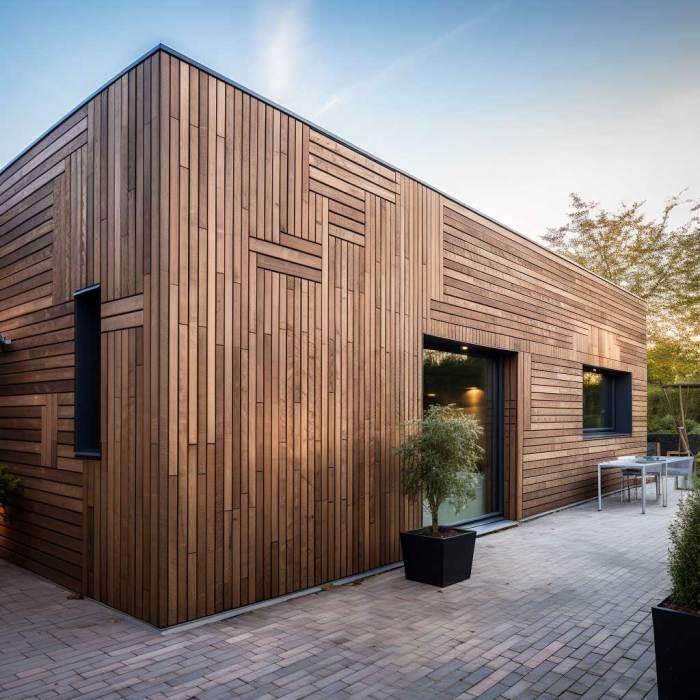
Composite exterior cladding offers a diverse range of materials and manufacturing processes, leading to a wide variety of performance characteristics and cost implications for building projects. Understanding these factors is crucial for selecting the best cladding for a specific application. This section will delve into the specifics of material composition, manufacturing techniques, and performance comparisons to help you make an informed decision.
Material Composition of Composite Cladding
Composite cladding typically combines two or more materials to leverage the strengths of each component. Common materials include wood, fiber cement, polymers (like PVC or HDPE), and metals (like aluminum or steel). Wood composites often involve engineered lumber or wood fibers bound with resins, offering dimensional stability and increased resistance to rot and insect damage compared to solid wood. Fiber cement blends cement with cellulose fibers, creating a durable, fire-resistant material. Polymer-based composites use plastics for strength, weather resistance, and ease of manufacturing, while metal composites might incorporate a metal core for strength and a polymer or other material for aesthetics and corrosion protection. The specific blend of materials significantly influences the final product’s properties.
Manufacturing Processes for Composite Cladding
The manufacturing processes vary depending on the composite material. Wood composites often involve layering and pressing engineered wood products with resins under high heat and pressure. Fiber cement boards are created by mixing cement, cellulose fibers, and other additives, then forming and curing them into panels. Polymer composites frequently utilize extrusion processes, where molten plastic is shaped into profiles before cooling and setting. Metal composite panels often involve bonding a metal sheet to a core material (like polyethylene) using adhesives or mechanical fasteners. These manufacturing methods directly impact the cladding’s final properties, including strength, texture, and cost.
Performance Characteristics of Composite Cladding
Durability, weather resistance, and fire resistance are key performance indicators for exterior cladding. Wood composites generally offer good durability but require regular maintenance to prevent rot and insect infestation. Their weather resistance depends on the specific resin and treatment used. Fiber cement boasts excellent durability, weather resistance, and fire resistance, making it a popular choice in many regions. Polymer composites offer good weather resistance and are relatively low-maintenance but may be less durable than fiber cement in extreme conditions. Metal composites are highly durable and weather-resistant but can be susceptible to dents and scratches. Fire resistance varies significantly across different composite types; fiber cement typically performs best in this area.
Cost-Effectiveness of Composite Cladding Options
The cost of composite cladding varies greatly depending on the materials used and the manufacturing process. Polymer composites often represent the most budget-friendly option, while fiber cement and metal composites tend to be more expensive. High-end wood composites can also command a premium price. The long-term cost-effectiveness should consider factors beyond initial purchase price, including maintenance needs and lifespan.
| Material | Cost per square foot | Durability Rating (1-5) | Fire Resistance Rating (1-5) |
|---|---|---|---|
| Polymer Composite | $2 – $5 | 3 | 2 |
| Wood Composite | $4 – $8 | 3-4 | 2-3 |
| Fiber Cement | $6 – $12 | 4-5 | 4-5 |
| Metal Composite | $8 – $15 | 4-5 | 3-4 |
Installation Methods and Techniques
Installing composite exterior cladding is a relatively straightforward process, but proper technique and attention to detail are crucial for a long-lasting, aesthetically pleasing, and weatherproof finish. This section outlines the steps, tools, and considerations for successful installation.
Successful installation hinges on careful planning and preparation. Accurate measurements, proper substrate preparation, and adherence to manufacturer’s instructions are paramount to avoid costly mistakes and ensure a quality finish. The specific methods may vary slightly depending on the type of cladding used (e.g., wood-plastic composite, fiber cement composite, etc.), so always consult the manufacturer’s guidelines.
Necessary Tools and Equipment
Having the right tools readily available makes the installation process significantly smoother and more efficient. A well-stocked toolbox will prevent delays and ensure accuracy. The list below represents a typical selection; specific needs may vary based on the project’s scale and complexity.
- Measuring tape and level
- Drill with appropriate drill bits (for pilot holes and fasteners)
- Screwdriver (or impact driver for faster fastening)
- Circular saw or hand saw (for cutting cladding panels)
- Safety glasses and gloves
- Caulk gun and appropriate sealant
- Jigsaw (for intricate cuts)
- Ladder or scaffolding (for reaching higher areas)
- Hammer
- Utility knife
Step-by-Step Installation Guide
This guide provides a general overview. Always refer to the manufacturer’s instructions for your specific cladding product. Variations in installation methods exist between different composite materials.
- Substrate Preparation: Ensure the underlying wall is clean, dry, and structurally sound. Repair any damage and address any moisture issues. A properly prepared substrate is essential for a secure and lasting installation.
- Framing (if necessary): For some cladding types, a framework of battens or furring strips might be required to create a ventilated cavity. This aids in moisture management and improves insulation.
- Cladding Installation: Begin at a corner or a visually prominent point. Pre-drill pilot holes to prevent cracking and ensure proper fastener placement. Secure each panel using appropriate fasteners, ensuring consistent spacing and alignment.
- Cutting and Fitting: Carefully cut panels to fit around windows, doors, and other architectural features using appropriate tools. Precise cuts are crucial for a clean, professional finish.
- Caulking and Sealing: Apply a high-quality sealant around windows, doors, and other areas where panels meet to create a weathertight seal, preventing water penetration.
- Final Inspection: Conduct a thorough inspection to check for any gaps, misalignments, or damaged panels. Address any issues before the project is completed.
Fastening Methods
The choice of fastening method depends on the type of cladding and the substrate. Using the incorrect fasteners can lead to damage or premature failure of the cladding system.
- Nails: Suitable for some wood-plastic composites, but careful consideration must be given to prevent splitting. Pre-drilling is almost always necessary.
- Screws: Offer greater holding power and are generally preferred for composite cladding, especially for thicker panels. Stainless steel screws are recommended for exterior applications to resist corrosion.
- Clips and Brackets: These hidden fastening systems offer a cleaner aesthetic and can minimize the risk of fastener damage to the cladding.
Pre-Installation Inspection Checklist
A pre-installation inspection ensures that the project starts on a solid foundation, minimizing potential problems later on.
| Item | Check |
|---|---|
| Substrate Condition | Clean, dry, structurally sound, free from damage |
| Building Codes and Permits | All necessary permits obtained and building codes adhered to |
| Materials Delivery and Quality | Correct quantity and quality of cladding materials received and inspected |
| Tools and Equipment | All necessary tools and equipment are available and in good working order |
| Weather Conditions | Favorable weather conditions for installation (avoid rain, extreme heat, or strong winds) |
| Safety Precautions | Appropriate safety equipment (PPE) is available and will be used |
Design Considerations and Aesthetics
Choosing composite exterior cladding goes beyond just material selection; it’s a crucial design decision impacting a building’s overall aesthetic appeal and longevity. The right cladding can dramatically enhance a structure’s visual impact, complementing its architectural style and surrounding environment while protecting it from the elements. Careful consideration of profile, color, pattern, and texture is essential for achieving a cohesive and visually stunning result.
The interplay of cladding choices with the building’s design and its surroundings is key. A modern building might benefit from sleek, linear profiles in neutral tones, while a traditional structure could be enhanced by textured cladding mimicking natural materials like wood or stone. The surrounding landscape also plays a role; cladding colors should harmonize with the environment, avoiding jarring contrasts.
Examples of Architectural Designs Using Composite Cladding
Many contemporary buildings showcase the versatility of composite cladding. Consider the sleek, modern designs often seen in high-rise residential towers. These frequently utilize large panels of composite cladding in metallic shades like silver or charcoal grey, creating a smooth, unified façade that reflects light and emphasizes the building’s verticality. In contrast, commercial buildings might incorporate more textured composite panels, perhaps mimicking the appearance of brick or wood, to blend seamlessly into a more traditional urban landscape. Low-rise buildings and homes often employ composite cladding to create a visually interesting contrast with other building materials, such as exposed concrete or glass. The design flexibility allows for creativity in diverse architectural settings.
Impact of Cladding Profiles and Colors
Cladding profiles, ranging from flat panels to intricate three-dimensional designs, significantly influence a building’s visual character. Sleek, linear profiles create a modern, minimalist aesthetic, while more textured or patterned profiles can add visual interest and warmth. Color choice is equally crucial. Neutral colors like greys, whites, and beiges offer versatility and timelessness, while bolder colors can create a striking statement. For example, a building clad in deep red composite panels would stand out against a neutral backdrop, while a building clad in light grey would blend more seamlessly into its surroundings. The choice depends on the desired aesthetic impact.
Presentation of Cladding Patterns and Textures
Imagine a presentation showcasing a range of composite cladding options. One section might feature smooth, flat panels in various colors, demonstrating their versatility in creating clean, modern facades. Another section could highlight textured panels that mimic the look of natural materials like wood grain, stone, or even woven fabric. This allows viewers to appreciate the range of visual effects achievable with composite cladding. A further section might display panels with geometric patterns, showing how they can add a dynamic and artistic element to a building’s design. Finally, a comparison of matte and gloss finishes could illustrate how different surface treatments impact the overall look and feel. The presentation would visually demonstrate the vast design possibilities offered by this versatile material.
Selecting Cladding to Complement Building Design and Environment
The selection process begins with understanding the overall architectural style of the building. A modern, minimalist structure would call for clean lines and simple profiles, while a more traditional building might benefit from textured cladding that evokes natural materials. The surrounding environment is also a key consideration. Cladding colors and textures should harmonize with the landscape, avoiding jarring contrasts. For instance, a building situated in a wooded area might benefit from cladding that complements the natural tones of the trees, while a building in a bustling urban environment might use cladding to stand out and make a statement. Careful consideration of these factors ensures the cladding enhances the building’s aesthetic appeal and integrates harmoniously into its surroundings.
Maintenance and Longevity: Composite Exterior Cladding
Composite exterior cladding, while durable, requires regular maintenance to ensure its longevity and aesthetic appeal. Neglecting maintenance can lead to premature deterioration and costly repairs. Understanding common issues and implementing a proactive maintenance plan will significantly extend the lifespan of your cladding and protect your investment.
Common Issues and Potential Problems
Several factors can affect the lifespan of composite cladding. Exposure to the elements, such as intense sunlight, extreme temperatures, and moisture, can cause fading, cracking, or delamination. Impact damage from hail, falling debris, or accidental collisions can also compromise the cladding’s integrity. Improper installation can lead to water penetration, leading to mold and mildew growth, and ultimately structural damage. Finally, neglecting regular cleaning can allow dirt and grime to accumulate, affecting both the appearance and the cladding’s protective layers. For example, prolonged exposure to harsh coastal environments can accelerate the degradation of some composite materials due to salt spray.
Recommended Maintenance Procedures
Regular cleaning is crucial for maintaining the appearance and protecting the cladding’s surface. A simple solution of mild detergent and water, applied with a soft brush or sponge, is usually sufficient. Avoid abrasive cleaners or high-pressure washing, as these can damage the cladding’s surface. Inspect the cladding regularly for signs of damage, such as cracks, loose panels, or discoloration. Promptly address any issues to prevent further deterioration. It’s also important to check for proper drainage around the cladding to prevent water accumulation. Regularly inspect flashing and caulking around windows and doors to ensure a watertight seal.
Addressing Minor Repairs and Damage
Minor scratches or scuffs can often be repaired with touch-up paint specifically designed for your composite cladding. For more significant damage, such as cracks or broken panels, professional repair is often necessary. Replacing damaged panels requires careful removal and installation of new ones, ensuring proper alignment and sealing to prevent water ingress. Always consult the manufacturer’s instructions or contact a qualified installer for guidance on repair procedures. Using the wrong materials or techniques could compromise the overall integrity of the cladding system.
Maintenance Schedule
A regular maintenance schedule helps prevent problems before they become significant.
| Task | Frequency |
|---|---|
| Visual Inspection for damage | Annually |
| Cleaning (mild detergent and water) | Twice yearly (Spring and Autumn) |
| Detailed Inspection (including caulking and flashing) | Every 3-5 years |
| Professional Inspection and Maintenance | Every 10 years (or as recommended by the manufacturer) |
Environmental Impact and Sustainability
Composite exterior cladding, while offering numerous benefits in terms of aesthetics and performance, has a significant environmental footprint throughout its lifecycle, from raw material extraction to eventual disposal. Understanding this impact is crucial for making informed choices and promoting sustainable building practices. This section explores the environmental considerations associated with composite cladding, highlighting both challenges and opportunities for improvement.
The environmental impact of composite exterior cladding is multifaceted. Manufacturing processes often involve energy-intensive operations and the use of non-renewable resources. The specific impact varies greatly depending on the materials used in the composite, the manufacturing techniques employed, and the transportation distances involved. Disposal presents another challenge, as many composite materials are not easily recyclable and may end up in landfills, contributing to waste accumulation and potential environmental pollution.
Sustainability of Different Composite Cladding Materials
The sustainability of composite cladding materials differs considerably depending on their composition. Materials with high recycled content and those made from rapidly renewable resources generally have a lower environmental impact compared to those relying heavily on virgin materials and fossil fuels. For example, composites incorporating recycled aluminum or reclaimed wood fibers are inherently more sustainable than those based entirely on virgin plastics or non-renewable polymers. Life cycle assessments (LCAs) can help quantify the relative environmental impacts of different materials, considering factors such as energy consumption, greenhouse gas emissions, and waste generation. These assessments provide valuable data for comparing the sustainability of various composite cladding options.
Recycled Materials in Composite Cladding Production, Composite exterior cladding
The use of recycled materials is a key strategy for improving the sustainability of composite cladding. Recycled plastics, aluminum, wood fibers, and other materials can be incorporated into the manufacturing process, reducing reliance on virgin resources and lowering the overall environmental impact. The percentage of recycled content can vary widely depending on the manufacturer and the specific product, so it’s crucial to check product specifications for information on recycled material content. For instance, some manufacturers boast composite cladding products with up to 50% recycled content, demonstrating a significant commitment to sustainability. Increased use of recycled materials not only minimizes environmental damage but also often reduces manufacturing costs, making sustainable options more economically viable.
Eco-Friendly Composite Cladding Options
Several eco-friendly composite cladding options are emerging in the market, offering a balance between performance and environmental responsibility. These often feature recycled content, utilize renewable resources, and are designed for easier recycling or end-of-life management. For example, some manufacturers offer composite cladding made from bamboo fibers, which is a rapidly renewable resource with relatively low environmental impact. Other options include cladding incorporating recycled plastic waste, contributing to waste reduction and circular economy principles. These eco-friendly choices often come with certifications that validate their environmental performance, such as LEED points or other relevant sustainability standards. Choosing these options can significantly reduce the environmental footprint of a building project.
Building Codes and Regulations
Navigating the world of building codes and regulations for composite exterior cladding can seem daunting, but understanding the key requirements ensures a safe and compliant installation. These regulations vary by location, so always check with your local authorities for specific requirements. This information provides a general overview of common considerations.
Relevant Building Codes and Regulations
Composite cladding projects must adhere to several interconnected sets of building codes and regulations. These often include International Building Code (IBC) provisions, local fire codes, and potentially specific manufacturer guidelines. The IBC, for example, sets minimum standards for fire resistance, structural integrity, and weather protection. Local jurisdictions may adopt the IBC or create their codes that build upon or modify the IBC’s requirements. Always consult your local building department to obtain the most up-to-date and applicable codes for your project. Manufacturer’s instructions should also be considered as they provide crucial information on proper installation and usage.
Fire Safety Requirements
Fire safety is paramount. Codes often specify the required fire-resistance rating for exterior cladding based on factors like building height, occupancy type, and proximity to other structures. This rating is usually expressed in terms of hours of fire protection (e.g., a 1-hour rating). Composite materials used must meet these requirements, and their installation must prevent the spread of fire. Many codes require specific fire-rated barriers or assemblies to be incorporated into the wall system. For instance, a fire-rated cavity barrier might be needed behind the cladding to prevent the spread of flames within the wall assembly. Specific tests and certifications (such as those from Underwriters Laboratories or Intertek) may be required to demonstrate compliance with fire safety standards.
Weather Protection Requirements
Weather protection is another crucial aspect. Codes address issues like water penetration, air leakage, and wind resistance. The cladding system must effectively prevent water from entering the building envelope, which can lead to moisture damage and mold growth. Proper flashing, sealing, and joint detailing are vital to achieve this. Furthermore, the system must withstand the expected wind loads in the area, preventing damage or detachment during storms. This usually involves the use of appropriate fasteners and the creation of a robust and well-connected system. The specific requirements for wind resistance will depend on the local climate and building location.
Permitting and Approval Procedures
Obtaining the necessary permits and approvals is a crucial step. The process typically involves submitting detailed plans and specifications to the local building department for review. These plans should clearly show the type of composite cladding being used, its installation method, and how it meets all applicable codes. You’ll likely need to provide documentation demonstrating compliance with fire safety and weather protection requirements, including test reports and certifications. The building department will review the plans and may request revisions or clarifications before issuing the necessary permits. Inspections may be conducted at various stages of construction to ensure compliance. Delays can occur if the plans are not sufficiently detailed or if the project does not meet the code requirements.
Ensuring Compliance
Ensuring compliance involves meticulous attention to detail throughout the entire process. This starts with selecting appropriate composite cladding materials that meet the required fire and weather resistance ratings. Then, it involves adhering strictly to the manufacturer’s installation instructions and the relevant building codes. Maintaining accurate records of materials used, installation procedures, and inspections is vital. This documentation will be needed if any questions arise later. Working closely with qualified professionals such as architects, engineers, and contractors experienced in composite cladding installation is also essential. These professionals can help ensure that the project meets all code requirements and is properly installed.
Cost Analysis and Budgeting
Source: adsttc.com
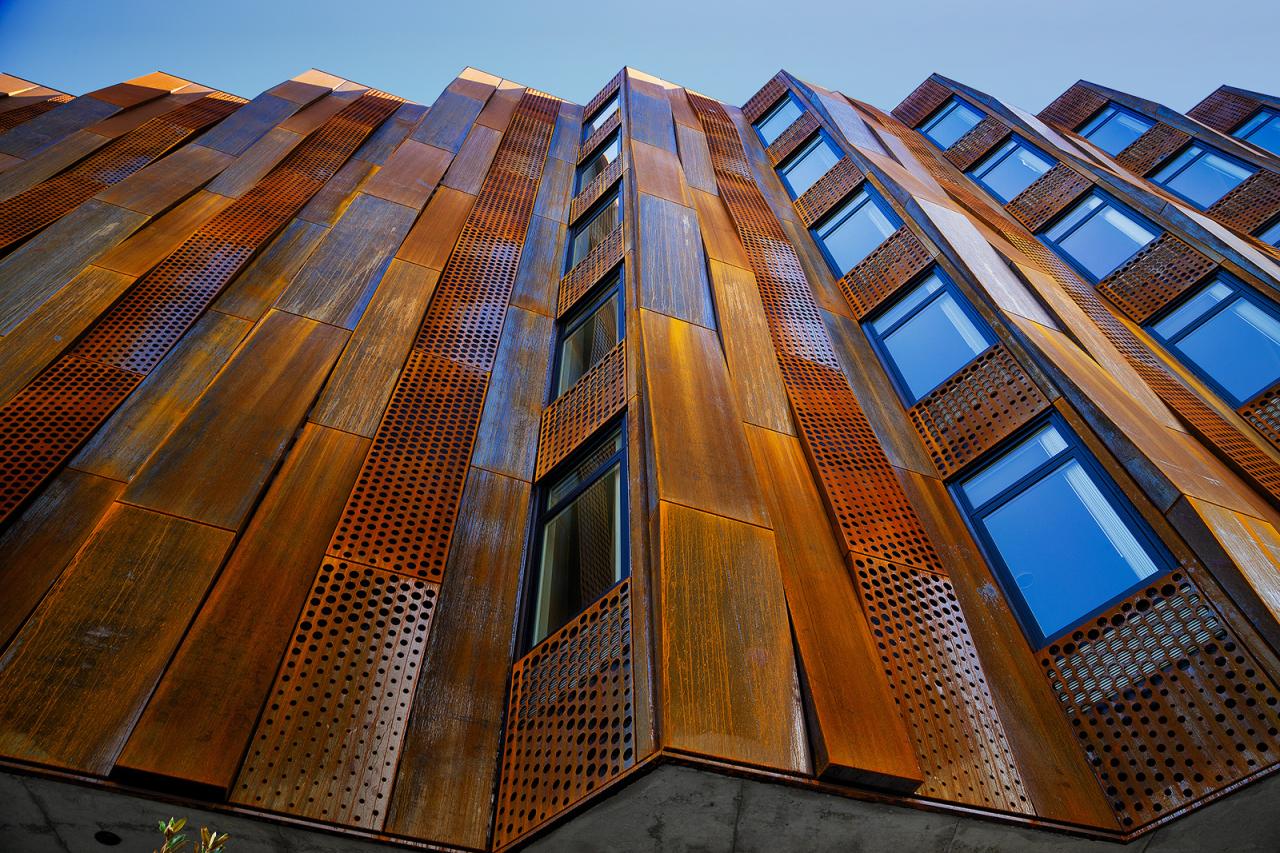
Planning the budget for a composite exterior cladding project requires careful consideration of various factors to ensure the project stays within financial limits and delivers the desired aesthetic and functional outcomes. Accurate cost estimation is crucial for successful project completion.
A comprehensive budget should include material costs, labor costs, and other expenses such as permits, site preparation, and waste disposal. Unexpected costs can arise, so it’s advisable to include a contingency buffer (typically 10-15%) to absorb unforeseen expenses.
Sample Composite Cladding Project Budget
This sample budget is for a 1,500 sq ft home and should be adjusted based on specific project requirements and location. Prices are estimates and can vary significantly depending on material choices, labor rates, and geographical location.
| Expense Category | Estimated Cost |
|---|---|
| Materials (Cladding panels, fasteners, trims) | $15,000 – $25,000 |
| Labor (Installation, preparation, cleanup) | $10,000 – $15,000 |
| Permits and Inspections | $500 – $1,500 |
| Site Preparation (Scaffolding, debris removal) | $1,000 – $3,000 |
| Contingency (10-15% of total cost) | $2,600 – $5,850 |
| Total Estimated Cost | $29,100 – $49,850 |
Factors Influencing Overall Project Cost
Several factors significantly impact the final cost of a composite cladding project. Understanding these elements allows for more accurate budgeting and informed decision-making.
- Material Selection: The type of composite cladding (e.g., fiber cement, wood composite, metal composite) and its specific features (e.g., color, texture, thickness) directly influence material costs. Higher-end materials with advanced features naturally command higher prices.
- Project Size and Complexity: Larger projects with intricate designs and challenging installation conditions (e.g., irregular building shapes, significant height) require more labor and time, increasing the overall cost.
- Labor Rates: Regional variations in labor costs and the contractor’s experience and expertise affect labor expenses. Specialized skills or difficult installations will increase labor costs.
- Geographic Location: Material transportation costs, local regulations, and prevailing market conditions vary geographically, affecting the overall project cost.
- Site Conditions: Pre-existing conditions such as the need for extensive site preparation, scaffolding, or specialized equipment can add to the expenses.
Long-Term Cost-Effectiveness of Composite Cladding Options
While initial costs vary, the long-term cost-effectiveness of different composite cladding options should be considered. This includes maintenance, repair, and lifespan.
- Fiber Cement: Generally offers a good balance between initial cost and long-term durability, requiring minimal maintenance and boasting a long lifespan.
- Wood Composites: Can be cost-effective initially but might require more frequent maintenance (e.g., repainting) compared to other options. Lifespan can vary significantly depending on the quality and exposure to weather.
- Metal Composites: Typically more expensive initially but known for exceptional durability and longevity, requiring minimal maintenance over their long lifespan.
Obtaining Competitive Quotes from Contractors
Securing competitive quotes is essential for making informed decisions. This process involves engaging multiple reputable contractors and ensuring a consistent basis for comparison.
- Detailed Project Specifications: Provide contractors with precise project details, including material specifications, design plans, and desired timelines. This ensures accurate and comparable quotes.
- Multiple Contractor Bids: Obtain at least three to five bids from different contractors to compare pricing and services. Don’t solely base decisions on price; consider experience, reputation, and insurance coverage.
- Clear Contract Terms: Carefully review the contract terms and conditions before signing, ensuring clarity on payment schedules, warranty provisions, and dispute resolution mechanisms.
- Verify Contractor Credentials: Check contractors’ licenses, insurance, and references to ensure their legitimacy and competence.
Case Studies and Real-World Examples
Source: com.ph
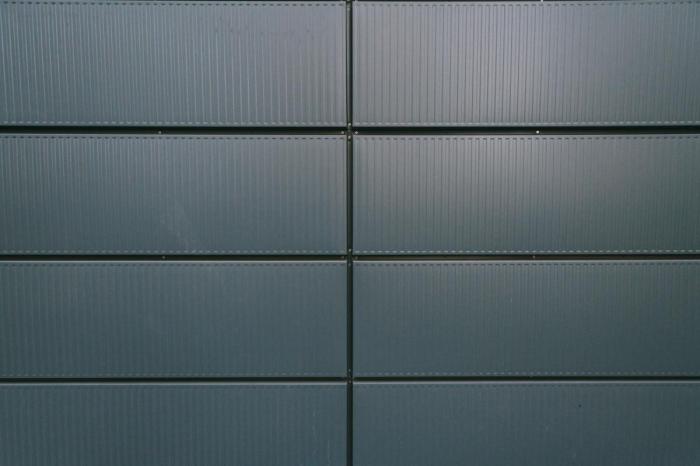
Let’s look at some real-world applications of composite exterior cladding to see how it performs in different situations and building types. These examples highlight both successes and challenges, offering valuable insights for future projects. We’ll examine the materials used, the outcomes achieved, and the lessons learned.
Successful Composite Cladding Projects
Several projects demonstrate the versatility and effectiveness of composite cladding. One notable example is the refurbishment of a 1960s office building in London. The original brick facade was showing significant signs of deterioration. Replacing it with a high-performance composite panel system not only improved the building’s aesthetics but also significantly reduced energy consumption. The new cladding provided superior weather protection and enhanced the building’s overall lifespan. Another successful application involved a new multi-family residential building in Vancouver, Canada. The architects chose a fiber cement composite panel system for its durability, low maintenance, and fire resistance. The building’s striking modern design was greatly enhanced by the clean lines and varied colors achievable with this material. The system also performed exceptionally well in the region’s challenging climate.
Challenges and Solutions in Composite Cladding Projects
While composite cladding offers numerous advantages, projects can encounter challenges. One common issue is ensuring proper installation to prevent water ingress. A project in Chicago experienced some minor leaks initially due to improper sealing around window frames. The problem was quickly identified and rectified by the contractor through the use of specialized sealants and additional flashing. This highlighted the importance of meticulous attention to detail during the installation phase. Another challenge can be the potential for thermal bridging, especially if the system isn’t designed and installed correctly. A solution for this often involves incorporating thermal breaks within the cladding system to minimize heat transfer. This is crucial for energy efficiency and preventing condensation.
Benefits of Composite Cladding in Various Building Types
Composite cladding proves beneficial across various building types. In commercial buildings, it offers durability, low maintenance, and a wide range of design possibilities, enhancing both aesthetics and brand image. In residential applications, it provides long-lasting protection against the elements while offering a variety of colors and textures to complement architectural styles. Industrial buildings can benefit from their strength and resistance to harsh environments, minimizing maintenance costs and extending the building’s lifespan. Finally, its use in public buildings ensures a visually appealing and sustainable structure.
Project Examples
| Project Name | Cladding Material | Project Outcome |
|---|---|---|
| London Office Building Refurbishment | Aluminum Composite Material (ACM) | Improved aesthetics, reduced energy consumption, enhanced weather protection |
| Vancouver Residential Building | Fiber Cement Composite Panels | Durable, low-maintenance facade, excellent climate performance, striking modern design |
| Chicago Commercial Building | High-Pressure Laminate (HPL) Panels | Initially experienced minor leaks (resolved with sealant application), showcasing the importance of proper installation. |
End of Discussion
Ultimately, selecting and installing composite exterior cladding is a significant decision impacting both the aesthetic appeal and longevity of a building. By carefully considering material properties, installation methods, maintenance requirements, and budgetary constraints, you can ensure a successful project that enhances your building’s value and curb appeal for years to come. Remember to always consult with professionals and adhere to local building codes for optimal results.
Expert Answers
What are the common problems with composite cladding?
Common issues include water damage (from improper installation or sealant failure), fading from sun exposure, and minor impact damage. Regular maintenance helps mitigate these.
How long does composite cladding last?
Lifespan varies depending on the material and maintenance, but many types can last 20-50 years or more.
Is composite cladding recyclable?
Recyclability depends on the specific composite material. Some manufacturers offer recycling programs or use recycled materials in production. Check with your supplier.
How much does professional installation cost?
Installation costs vary widely based on the material, project size, and labor rates in your area. Get multiple quotes from reputable contractors.
Can I install composite cladding myself?
While DIY is possible for some simpler projects, professional installation is often recommended, especially for large or complex builds, to ensure proper installation and warranty coverage.
Comments are closed.