Exterior Shiplap Siding A Complete Guide
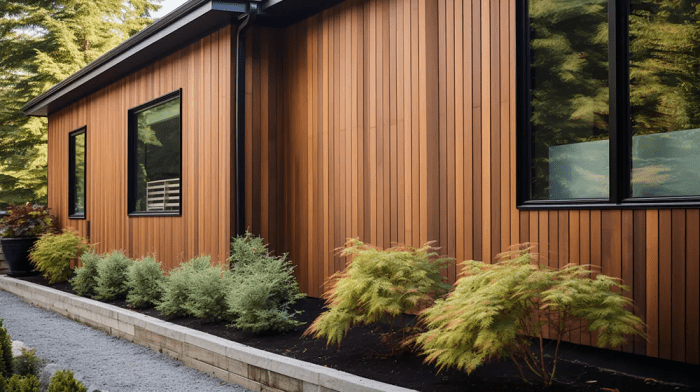
Exterior shiplap siding offers a timeless and versatile look for homes, adding character and curb appeal. From classic wood to modern vinyl and durable fiber cement, the options are plentiful, each offering unique characteristics in terms of cost, maintenance, and aesthetic impact. This guide will walk you through everything you need to know about choosing, installing, and maintaining this popular siding choice, helping you make informed decisions for your next project.
We’ll delve into the different materials available, exploring their pros and cons, installation techniques, and long-term maintenance requirements. We’ll also cover design aspects, budgeting considerations, and the environmental implications of your choices, ensuring you’re equipped to create the perfect exterior for your home.
What is Exterior Shiplap Siding?
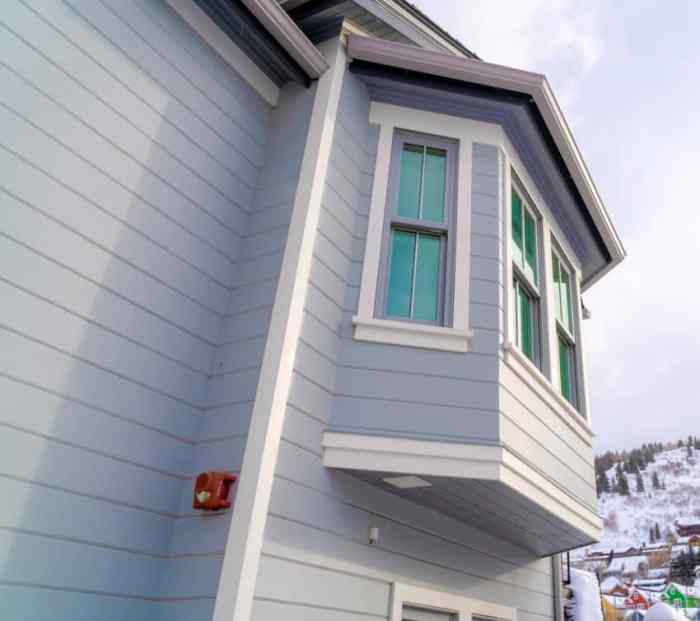
Source: designingidea.com
Exterior shiplap siding is a type of cladding characterized by its overlapping boards, creating a clean, visually appealing, and weather-resistant exterior for homes and other buildings. Its popularity stems from its classic aesthetic and relatively straightforward installation. The overlapping design helps to shed water and prevent moisture from penetrating the wall, contributing to the overall durability of the structure.
Shiplap Siding Characteristics
Shiplap siding is defined by its distinctive overlapping design. Each board features a groove on one edge and a corresponding ridge on the other, allowing for a tight, weatherproof fit when installed. This overlap not only enhances weather resistance but also provides a visually appealing, consistent pattern across the entire wall surface. The boards are typically installed horizontally, though vertical installations are also possible, offering a different aesthetic. The smooth, clean lines of shiplap create a modern or rustic feel, depending on the material and color chosen.
Materials Used in Exterior Shiplap Siding
Several materials are commonly used for exterior shiplap siding, each offering unique properties and aesthetic qualities.
- Wood: Wood shiplap offers a classic, natural look and feel. Popular choices include cedar, redwood, and pine, each possessing varying degrees of durability, resistance to rot and insects, and cost. Proper treatment with preservatives is crucial for longevity, especially in climates with high humidity or rainfall.
- Vinyl: Vinyl shiplap is a cost-effective and low-maintenance option. It’s resistant to rot, insects, and moisture, requiring minimal upkeep. While it may not offer the same natural aesthetic as wood, vinyl shiplap comes in a wide variety of colors and textures, allowing for considerable design flexibility. However, it can be less durable than other materials and may fade over time in direct sunlight.
- Fiber Cement: Fiber cement shiplap combines the durability of cement with the workability of wood. It’s highly resistant to fire, rot, insects, and moisture, making it a long-lasting and low-maintenance choice. Fiber cement shiplap is also available in various colors and textures, offering a more natural appearance than vinyl while maintaining superior durability. It is generally more expensive than vinyl but less expensive than high-grade wood.
Shiplap Siding Manufacturing Process
The manufacturing process varies slightly depending on the material. Wood shiplap is typically milled from planks, using specialized equipment to create the characteristic groove and ridge. Vinyl and fiber cement shiplap are produced through extrusion or molding processes, where the material is shaped and formed into the desired profile. For wood, careful drying and treatment are often implemented to enhance the longevity and stability of the finished product. For vinyl and fiber cement, precise molding techniques ensure consistent dimensions and a uniform appearance.
Comparison with Other Exterior Cladding Options
Shiplap siding compares favorably to other exterior cladding options in several ways. Compared to clapboard, it offers a cleaner, more modern look. While both are effective in shedding water, shiplap’s overlapping design provides a more seamless, weather-resistant barrier. Compared to brick or stone, shiplap offers a faster and often less expensive installation process. However, brick and stone are generally more durable and have a longer lifespan. Compared to stucco, shiplap offers a more easily repaired surface, should any damage occur. The final choice depends on factors like budget, aesthetic preferences, and climate conditions.
Styles and Designs of Shiplap Siding
Shiplap siding offers a surprising variety of styles and designs, moving beyond the simple image of horizontal planks. The subtle differences in profile, material, and finish can dramatically alter the overall look and feel of your home’s exterior. Understanding these variations is key to choosing the perfect shiplap for your project.
Different shiplap profiles create distinct visual effects. The choice influences everything from the perceived texture to the play of light and shadow across the surface. Consider these key profile options when planning your project.
Shiplap Siding Profiles
Several key profiles significantly impact the final aesthetic. These differences are often subtle but cumulatively create a diverse range of design possibilities.
- Bevel Shiplap: This classic profile features a slightly beveled edge on each plank, creating a subtle shadow line between boards and adding depth. The bevel can be subtle or quite pronounced, influencing the overall look. A more pronounced bevel gives a more rustic appearance.
- Board and Batten: This style uses wider planks (boards) with narrower strips (battens) covering the seams. This creates a more traditional, almost farmhouse-style look, emphasizing vertical lines alongside the horizontal shiplap. The battens help to further accentuate the horizontal lines and minimize the appearance of gaps.
- Channel Shiplap: This profile features a channel or groove running along the length of each plank. This adds texture and can help to create a more modern or contemporary look. The channel can vary in width and depth, impacting the shadow lines.
- Smooth Shiplap: A simpler, more modern look, featuring planks with a smooth, flat surface and minimal shadow lines. This option offers a clean, uncluttered appearance, ideal for contemporary architectural styles.
Shiplap Siding Styles, Materials, Costs, and Maintenance
The table below summarizes some common shiplap siding options, considering material, cost, and maintenance needs. Remember that costs are estimates and can vary based on location, supplier, and project specifics. Maintenance requirements also depend on factors like climate and exposure to the elements.
| Style | Material | Approximate Cost per Square Foot (USD) | Maintenance Requirements |
|---|---|---|---|
| Bevel Shiplap | Cedar | $8 – $15 | Regular cleaning, occasional staining or sealing |
| Board and Batten | Fiber Cement | $6 – $12 | Periodic cleaning, repainting every 5-10 years |
| Channel Shiplap | Vinyl | $3 – $7 | Minimal maintenance, occasional cleaning |
| Smooth Shiplap | Engineered Wood | $5 – $10 | Periodic cleaning, occasional repainting or staining |
Aesthetic Appeal in Different Architectural Styles
Shiplap’s versatility extends to its adaptability across various architectural styles. The choice of profile, material, and color significantly impacts how it integrates into the overall design.
For example, a rustic board and batten shiplap in cedar works beautifully with farmhouse or craftsman styles. In contrast, a smooth, painted shiplap in a modern gray complements contemporary architecture. The use of wider planks might better suit a more traditional home, while narrower planks could enhance a modern or minimalist aesthetic. The subtle variations in these design elements offer considerable flexibility in creating the desired overall effect.
Effects of Color and Finish
Color and finish significantly impact the final appearance of shiplap siding. A light, neutral color like white or gray creates a clean, airy feel, while darker colors add drama and warmth. Different finishes, such as matte, semi-gloss, or high-gloss, further influence the perception of texture and light reflection. A high-gloss finish, for instance, will make the shiplap look more modern and sleek, while a matte finish provides a more rustic and natural feel.
For instance, a dark gray shiplap with a matte finish can create a sophisticated, modern look, while a bright white shiplap with a semi-gloss finish offers a clean, classic aesthetic. Choosing the right color and finish is crucial in achieving the desired style and mood for your home’s exterior.
Installation and Maintenance of Shiplap Siding
Installing shiplap siding is a rewarding project that can dramatically enhance your home’s curb appeal. However, proper installation and ongoing maintenance are crucial for ensuring its longevity and beauty. This section details the process, from surface preparation to long-term care.
Surface Preparation for Shiplap Siding Installation
Before you even think about nailing on the first piece of shiplap, thorough surface preparation is paramount. This prevents future problems like warping, rot, and uneven surfaces. Start by removing any existing siding, ensuring you remove all nails and staples. Then, carefully inspect the underlying sheathing for any damage, repairing or replacing any rotten or damaged wood. Next, ensure the sheathing is clean and free from debris, dirt, and loose materials. Finally, apply a quality primer to the sheathing, allowing it to dry completely before proceeding to the installation of the shiplap. This creates a stable and uniform base for your new siding.
Installing Exterior Shiplap Siding
Shiplap installation involves several key steps. First, establish a level starting point along the bottom of the wall. Use a level and chalk line to create a perfectly straight line, marking your first row of shiplap. Next, install the first row, ensuring proper alignment and fastening. Use galvanized nails or screws specifically designed for exterior use, making sure to avoid overdriving them. Subsequent rows are installed overlapping the previous row, typically with a 1/4″ to 1/2″ gap for expansion and contraction due to weather changes. Continue this process, using a level and measuring tape regularly to maintain straight lines and consistent spacing. Remember to maintain a consistent overlap between boards to ensure a clean and professional look. Consider using a nail gun to speed up the process and improve accuracy.
Shiplap Siding Installation Checklist
A checklist is invaluable to ensure a successful installation.
- All existing siding removed and disposed of properly.
- Underlying sheathing inspected, repaired, and cleaned.
- Primer applied and completely dry.
- Level starting line established.
- First row of shiplap installed correctly and aligned.
- Consistent overlap maintained throughout the installation.
- All nails or screws driven straight and securely, avoiding overdriving.
- Regularly check alignment and spacing using a level and measuring tape.
- Caulking applied to all seams and gaps around windows and doors.
- Final inspection to check for any gaps, misalignments, or damage.
Maintaining and Cleaning Shiplap Siding
Regular cleaning and maintenance are key to preserving the beauty of your shiplap siding. A simple power wash once or twice a year can remove dirt, grime, and mildew. Use a low-pressure setting to avoid damaging the wood. For stubborn stains or mildew, consider using a mild bleach solution, always following the manufacturer’s instructions carefully. For more significant damage, like cracks or warping, consult a professional for repairs. Regular inspections will help identify and address minor issues before they escalate into larger, more costly problems. Applying a high-quality exterior wood sealant every few years will protect the wood from the elements and extend its lifespan. This preventative measure is crucial for maintaining the appearance and structural integrity of your shiplap siding.
Pros and Cons of Shiplap Siding
Choosing the right siding for your home is a big decision, impacting both aesthetics and long-term maintenance. Shiplap siding, with its clean lines and classic appeal, offers a unique blend of advantages and disadvantages. Understanding these aspects is crucial before committing to this popular exterior cladding option.
Advantages of Shiplap Siding
Shiplap offers several compelling benefits for homeowners. Its visual appeal is a major draw, contributing to a modern farmhouse or rustic aesthetic depending on the material and installation. Beyond aesthetics, its performance characteristics also contribute to its popularity.
- Visual Appeal and Versatility: Shiplap’s clean lines and simple design create a timeless look that complements various architectural styles. It can be painted or stained to match any color palette, offering significant design flexibility.
- Durability and Longevity (Material Dependent): Depending on the material, shiplap can be incredibly durable and long-lasting. Certain types, like cedar or fiber cement, are known for their resistance to rot, insects, and harsh weather conditions.
- Low Maintenance: Compared to some other siding materials, shiplap generally requires minimal upkeep. Regular cleaning and occasional repainting or staining are usually sufficient.
- Improved Home Value: The aesthetic appeal and durability of shiplap siding can contribute to a higher perceived value of your home, making it a worthwhile investment.
- Ease of Installation (for some types): Certain shiplap materials, like vinyl, are relatively easy to install, potentially reducing labor costs.
Disadvantages of Shiplap Siding
While shiplap offers many benefits, it’s essential to consider potential drawbacks. These can vary depending on the chosen material and the quality of installation.
- Cost: Depending on the material (e.g., cedar vs. vinyl), shiplap siding can be significantly more expensive than other options like vinyl or aluminum siding. High-quality wood shiplap, for instance, commands a premium price.
- Maintenance (for some types): While generally low-maintenance, wood shiplap requires periodic sealing and repainting to prevent damage from moisture and insects. Neglecting this can lead to premature deterioration.
- Susceptibility to Damage (for some types): Wood shiplap is vulnerable to damage from impacts, extreme weather (especially in areas with high winds or hail), and insect infestations. While treated lumber mitigates some of these risks, it doesn’t eliminate them.
- Installation Complexity (for some types): Installing wood shiplap requires skill and precision to ensure a watertight and aesthetically pleasing finish. Improper installation can lead to leaks and other problems.
- Limited Color Options (for some types): While paintable, some shiplap materials, particularly natural wood, offer a more limited range of initial color choices compared to vinyl or other manufactured siding options.
Longevity and Durability of Different Shiplap Siding Materials
The lifespan and durability of shiplap siding are heavily influenced by the material used. For example, cedar shiplap, properly maintained, can last for decades, while vinyl shiplap might only last 20-30 years before showing significant wear and tear.
| Material | Estimated Lifespan (Years) | Durability Notes |
|---|---|---|
| Cedar | 30-50+ (with proper maintenance) | Naturally resistant to rot and insects but susceptible to warping and cracking without proper treatment and maintenance. |
| Fiber Cement | 50+ | Highly durable and resistant to fire, rot, and insects. Can be more expensive than other options. |
| Vinyl | 20-30 | Relatively inexpensive and low-maintenance but can fade, crack, or dent over time. |
| Metal | 50+ | Extremely durable and resistant to weather damage, but can dent and be susceptible to scratches. |
Cost and Budgeting Considerations
Shiplap siding can significantly enhance your home’s curb appeal, but the cost is a crucial factor to consider before starting the project. Understanding the various cost components and how they interact will help you create a realistic budget and avoid unexpected expenses. This section will break down the costs involved, factors influencing the total price, and provide tips for effective budgeting.
The overall cost of shiplap siding installation is influenced by several key factors. Material selection plays a significant role, with different types of wood (like cedar, pine, or composite) having varying price points. The size of your house directly impacts the quantity of materials needed, and therefore the cost. Labor rates, which vary regionally and by contractor experience, are another major contributor. Finally, the complexity of the installation – factors like existing siding removal, intricate architectural details, and the need for specialized equipment – can all increase the overall expense.
Material Costs
Material costs are typically the largest portion of your shiplap siding budget. The price per square foot varies greatly depending on the material. For example, high-quality cedar shiplap can cost significantly more than pine or a composite alternative. You’ll also need to factor in the cost of fasteners, flashing, trim, and any necessary underlayment. A realistic estimate should include a contingency for material waste and potential damage during installation.
Labor Costs
Labor costs depend heavily on the size of your house, the complexity of the job, and the hourly or project rates charged by your contractor. It’s essential to get multiple quotes from reputable contractors to compare pricing and understand the scope of work included in each quote. Some contractors may charge a flat fee, while others may charge hourly rates. Remember that experienced contractors often command higher rates, but their expertise can translate to a more efficient and higher-quality installation.
Factors Influencing Overall Cost
Several factors beyond material and labor costs can impact the final price. The existing condition of your home’s exterior can affect the preparation time and cost. Removing old siding, repairing damaged sheathing, or addressing moisture issues can add significant expense. The design complexity of your home – including dormers, multiple levels, or intricate trim work – will also increase the time and labor required for installation, leading to higher costs. Finally, geographic location affects both material and labor costs. Areas with high demand or limited availability of materials might see inflated prices.
Tips for Budgeting
To effectively budget for your shiplap siding project, start by getting detailed quotes from at least three contractors. Compare not only the total cost but also the breakdown of material and labor costs. Carefully review the scope of work included in each quote to ensure you’re comparing apples to apples. Factor in a contingency of 10-15% to account for unexpected expenses or material price fluctuations. Consider financing options if necessary, but ensure you understand the interest rates and repayment terms. Finally, prioritize transparency and communication with your contractor throughout the project.
Sample Budget Breakdown
Let’s consider a hypothetical example of a 2,000 square foot house. This is a simplified example, and actual costs will vary significantly based on the factors discussed above.
| Item | Cost Estimate |
|---|---|
| Materials (Shiplap, Fasteners, Trim) | $10,000 – $20,000 |
| Labor | $8,000 – $15,000 |
| Permits and Inspections | $500 – $1,000 |
| Contingency (10%) | $1,800 – $3,500 |
| Total Estimated Cost | $20,300 – $40,000 |
This range reflects the significant variability in costs depending on material choices and labor rates. It’s crucial to obtain personalized quotes from contractors in your area to get a more accurate estimate for your specific project.
Environmental Impact and Sustainability
Source: prosuperiorconstruction.com
Choosing shiplap siding involves more than just aesthetics; it has significant environmental implications. The material selection, installation process, and eventual disposal all contribute to a product’s overall environmental footprint. Understanding these factors is crucial for making informed and sustainable choices.
The environmental impact of shiplap siding varies greatly depending on the material used. Wood, vinyl, fiber cement, and even metal all have different production processes, lifespans, and end-of-life management considerations. Sustainable practices during installation and disposal can further mitigate the negative environmental effects.
Material-Specific Environmental Impacts
The environmental impact of each shiplap material is complex, involving energy consumption during manufacturing, transportation emissions, and the sourcing of raw materials. Wood shiplap, for example, relies on forestry practices. Sustainable forestry, where trees are harvested responsibly and replanting occurs, minimizes the environmental impact. However, unsustainable logging can lead to deforestation and habitat loss. Vinyl siding, a petroleum-based product, has a high carbon footprint due to its manufacturing process. Fiber cement, while durable, involves cement production, which is energy-intensive and generates greenhouse gases. Metal siding, often made from recycled materials, generally has a lower environmental impact than vinyl but requires significant energy for initial production.
Sustainable Shiplap Siding Options
Several options exist for environmentally conscious homeowners. Reclaimed wood shiplap offers a significant reduction in environmental impact compared to newly harvested wood. Using reclaimed wood reduces the demand for newly harvested timber, lessening deforestation. Furthermore, sourcing wood certified by the Forest Stewardship Council (FSC) ensures that the wood comes from responsibly managed forests. Bamboo, a rapidly renewable resource, is another sustainable option, offering a similar aesthetic to wood but with a faster growth cycle. Finally, recycled materials used in the production of some vinyl and fiber cement sidings can lessen their environmental impact, though this is not always the case. It is vital to check the manufacturer’s claims and certifications.
Carbon Footprint Comparison: Wood vs. Vinyl
Directly comparing the carbon footprint of wood and vinyl shiplap requires a lifecycle assessment, considering all stages from raw material extraction to disposal. However, generally, vinyl shiplap tends to have a significantly higher carbon footprint due to the energy-intensive production process involving fossil fuels. Wood shiplap, sourced sustainably, can have a lower carbon footprint, especially if the wood is locally sourced to reduce transportation emissions. The specific numbers vary based on factors such as the type of wood, the distance traveled, and the manufacturing processes involved. For instance, a study might show that sustainably harvested and locally sourced cedar shiplap has a considerably lower carbon footprint than a vinyl option manufactured overseas and shipped across continents.
Eco-Friendly Practices in Installation and Disposal
Minimizing waste during installation and ensuring responsible disposal are critical aspects of sustainable shiplap siding. Careful planning and precise cutting can reduce material waste. Properly disposing of scrap wood through recycling programs or using it for other purposes, such as mulch, further reduces environmental impact. Similarly, disposing of vinyl siding according to local regulations is crucial, as improper disposal can lead to pollution. For example, instead of sending scrap vinyl to a landfill, explore options like recycling programs that specialize in vinyl siding or repurposing it for other applications. In the case of fiber cement, responsible disposal and potential recycling options should be investigated with local waste management authorities.
Visual Representation of Shiplap Siding
Source: fixr.com
Shiplap siding offers a wide range of visual possibilities, influenced by material choice, installation method, color, and finish. Understanding these factors is key to achieving the desired aesthetic for your home. The interplay of light and shadow, in particular, dramatically affects the final look.
Texture and Appearance of Shiplap Siding Materials
Different materials create distinct textures and appearances. Wood shiplap, for example, exhibits natural variations in grain and color, offering a rustic charm. The texture can range from smooth, depending on the wood type and finishing process, to rougher, more pronounced grain patterns. Cedar shiplap often presents a reddish hue that weathers to a silvery gray, while pine might offer a more yellowish tone. In contrast, vinyl shiplap provides a smoother, more uniform surface with less textural variation. Fiber cement shiplap offers a similar smooth surface to vinyl, but with a more realistic wood-like grain that is often embossed for added visual depth. Metal shiplap, while less common for residential use, presents a sleek, modern look with a noticeably different texture than wood or vinyl.
Light and Shadow Effects on Shiplap Siding, Exterior shiplap siding
The way light interacts with shiplap siding significantly impacts its perceived appearance. The overlapping design of shiplap creates subtle shadows in the grooves, adding depth and dimension to the surface. This effect is particularly pronounced with wider shiplap boards, where the shadows are more prominent. The direction of sunlight will also affect the appearance. Direct sunlight will highlight the texture and grain of the wood, enhancing its natural beauty. Conversely, shaded areas will minimize the contrast, creating a more subdued look. The color of the siding also interacts with light; darker colors absorb more light, appearing richer and more dramatic, while lighter colors reflect more light, appearing brighter and more airy.
Impact of Different Installation Patterns on Aesthetics
The way shiplap is installed can drastically change its visual impact. Traditional horizontal installation creates a classic, timeless look. Vertical installation, on the other hand, offers a more modern, contemporary feel, often making a home appear taller and slimmer. Diagonal installation provides a bold, unique statement, but can be more complex to install. The spacing between boards also affects the visual outcome. Tight spacing creates a cleaner, more uniform appearance, while wider spacing emphasizes the individual boards and adds a more rustic feel. Variations in board width can further influence the overall pattern and texture. For instance, using a mix of wide and narrow boards can create a visually interesting, handcrafted look.
Visual Effect of Different Colors and Finishes on Shiplap Siding
Color and finish choices profoundly influence the final aesthetic. A natural wood finish on wood shiplap emphasizes the wood grain and color variations, creating a warm, inviting look. A painted finish allows for a wider range of colors, from classic whites and grays to bold blues and greens. A stained finish offers a deeper color penetration, enhancing the wood’s natural beauty while adding protection. The sheen level of the finish also plays a role; a matte finish creates a more subtle, understated look, while a glossy finish adds shine and reflects more light, making the colors appear more vibrant. For example, a dark gray matte finish on horizontal shiplap creates a sophisticated, contemporary style, while a bright white glossy finish on vertical shiplap produces a clean, modern look.
Closing Notes: Exterior Shiplap Siding
Ultimately, choosing exterior shiplap siding involves balancing aesthetics, budget, and long-term practicality. By carefully considering the various materials, styles, and installation processes discussed, you can confidently select the best option for your home. Remember to factor in maintenance requirements and environmental impact alongside your aesthetic preferences to ensure a satisfying and sustainable outcome. With a little planning and the right information, your shiplap siding project can transform your home’s exterior for years to come.
FAQ Corner
What is the average lifespan of shiplap siding?
The lifespan varies greatly depending on the material. Wood can last 20-50 years with proper maintenance, while vinyl and fiber cement can last 30-50 years or even longer.
Can I install shiplap siding myself?
While possible for smaller projects, professional installation is often recommended, especially for larger homes or complex designs. Improper installation can lead to water damage and other issues.
How do I clean shiplap siding?
Regular cleaning with a hose and mild detergent is usually sufficient. For stubborn stains, consider a pressure washer (use low pressure to avoid damage) or specialized cleaning solutions.
Is shiplap siding fire-resistant?
Fire resistance varies depending on the material. Wood is naturally combustible, while some vinyl and fiber cement options offer better fire resistance. Check individual product specifications.
Does shiplap siding require painting or sealing?
Wood shiplap typically requires regular painting or sealing to protect it from the elements. Vinyl and fiber cement are generally low-maintenance and don’t require painting.
Comments are closed.