Shou Sugi Ban Siding A Guide
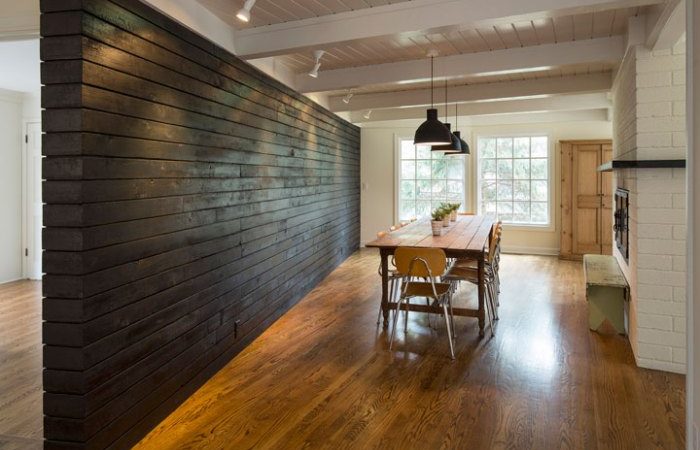
Shou sugi ban siding, a traditional Japanese wood preservation technique, offers a striking and sustainable alternative to conventional siding. This ancient method involves charring wood to enhance its durability, weather resistance, and aesthetic appeal. From its origins in rural Japan to its modern resurgence in contemporary architecture, shou sugi ban offers a unique blend of history and innovation, creating a visually captivating and environmentally responsible building material.
This guide explores the entire process, from selecting the right wood and mastering the charring techniques to finishing, installation, and long-term maintenance. We’ll delve into the various methods, styles, and considerations to help you understand if shou sugi ban is the right choice for your project. We’ll cover everything from the environmental benefits to cost comparisons, equipping you with the knowledge to make informed decisions.
Shou Sugi Ban Siding
Shou Sugi Ban, a traditional Japanese wood preservation technique, offers a stunning and durable exterior cladding option. This method, dating back centuries, transforms wood into a remarkably resilient material, perfect for modern architectural applications. Its unique aesthetic, characterized by its deep char marks and varied textures, adds a touch of rustic elegance to any building.
Shou Sugi Ban’s origins lie in 18th-century Japan, where it was primarily used to protect wooden structures from the elements. The process involved charring the surface of cedar planks, creating a protective layer that resisted decay, insect infestation, and fire. This practice, passed down through generations of carpenters, ensured the longevity of homes and other buildings, even in harsh climates. While its initial purpose was purely functional, Shou Sugi Ban has evolved into a highly sought-after aesthetic choice, prized for its distinctive visual appeal and sustainable nature.
The Traditional Shou Sugi Ban Process
The traditional method of creating Shou Sugi Ban involves several distinct steps. First, the wood, typically cedar, is carefully selected and cut to the desired dimensions. Then, the wood is exposed to an open flame, carefully charring the surface to a desired depth. This charring process creates a carbonized layer that acts as a natural barrier against moisture, insects, and fire. After charring, the wood is brushed to remove loose char, revealing the underlying wood grain. Finally, the wood is often treated with a natural oil or sealant to further enhance its durability and weather resistance. The resulting finish is both beautiful and incredibly durable, capable of withstanding decades of exposure to the elements.
Benefits of Shou Sugi Ban Siding
Shou Sugi Ban siding offers a multitude of advantages for building projects. Its inherent durability significantly reduces maintenance costs compared to other siding materials. The charring process creates a naturally fire-resistant surface, adding an extra layer of safety to buildings. Furthermore, Shou Sugi Ban is environmentally friendly, as it utilizes a sustainable material and reduces the need for chemical treatments. The unique aesthetic appeal of Shou Sugi Ban enhances the visual character of any building, making it a desirable choice for both residential and commercial projects. Its long lifespan and low maintenance requirements contribute to its overall cost-effectiveness in the long run, making it a smart and attractive investment for homeowners and builders alike.
Shou Sugi Ban Siding Materials and Preparation
Getting started with shou sugi ban involves careful selection of wood and thorough preparation. The beauty and longevity of your finished siding depend heavily on these initial steps. Choosing the right wood and prepping it correctly will ensure a stunning and durable result that stands the test of time.
The charring process alters the wood’s properties, so understanding the best materials and preparation techniques is crucial. This section details the ideal wood types and provides a step-by-step guide to get your lumber ready for the transformative charring process.
Suitable Wood Species for Shou Sugi Ban
Not all wood species are created equal when it comes to shou sugi ban. Some woods are better suited to the charring process due to their density, grain, and resistance to rot and insects. Selecting the right wood is a key factor in the longevity and aesthetic appeal of your finished product.
- Cedar: Known for its natural resistance to rot and insects, cedar offers a beautiful, aromatic finish. Western Red Cedar and Japanese Cedar are popular choices.
- Redwood: Similar to cedar in its durability and natural resistance, redwood provides a rich, reddish-brown hue that deepens with charring.
- Cypress: Another excellent choice, cypress boasts excellent rot resistance and a tight grain that takes the char well, resulting in a striking visual effect.
- Larch: This durable hardwood offers a unique grain pattern and excellent weather resistance, making it a solid option for exterior applications.
- Pine: While softer than hardwoods, certain pine varieties, when properly treated, can provide a cost-effective option. However, it’s important to note that pine is more susceptible to rot and insect damage than other options.
Preparing Wood for Charring
Proper preparation is essential for achieving a consistent and beautiful char. This involves ensuring the wood is clean, dry, and free from defects. Taking the time to prepare your wood correctly will significantly improve the final result of your shou sugi ban project.
- Select and Inspect: Choose wood boards free from significant knots, cracks, or warping. Inspect each piece carefully for any imperfections that could affect the charring process or the final appearance.
- Surface Cleaning: Remove any dirt, debris, or loose bark from the wood surface using a wire brush or pressure washer. Ensure the wood is clean and dry before proceeding.
- Cut to Size: Measure and cut the boards to your desired length and width, allowing for any necessary overlap or spacing during installation.
- Sanding (Optional): For a smoother finish, lightly sand the wood surface to remove any splinters or roughness. However, this step isn’t always necessary and can be omitted if you prefer a more rustic look.
- Pre-Drilling (Optional): If you plan to fasten the siding with screws or nails, pre-drill pilot holes to prevent splitting during installation.
Sourcing Sustainable and Ethically Harvested Wood
Sustainability and ethical sourcing are crucial considerations when choosing wood for any project, especially one as aesthetically pleasing and potentially long-lasting as shou sugi ban siding. Choosing responsibly sourced wood supports environmentally friendly forestry practices and ensures the long-term health of our forests.
Look for certifications like the Forest Stewardship Council (FSC) label, which indicates that the wood comes from responsibly managed forests. Inquire with your lumber supplier about their sourcing practices and ask for documentation verifying the wood’s origin and sustainability.
Consider purchasing reclaimed or salvaged wood as a sustainable alternative. This can add unique character to your project while reducing the demand for newly harvested lumber. Many reclamation yards offer a variety of wood species suitable for shou sugi ban, often at competitive prices.
The Charring Process
Source: accoya.com
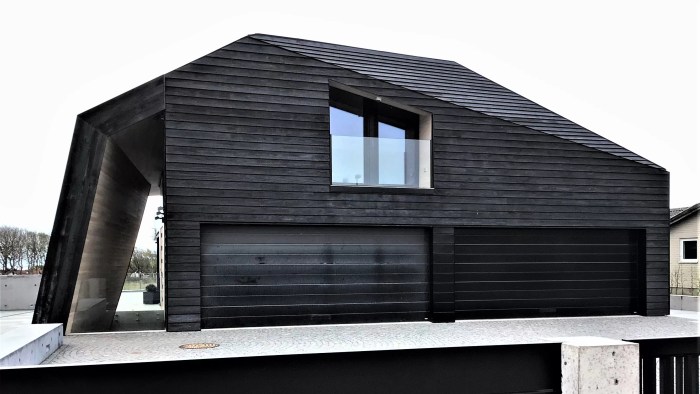
Transforming your wood into beautiful shou sugi ban involves a crucial step: charring. This process isn’t just about aesthetics; it significantly enhances the wood’s durability and weather resistance. The charring method you choose, along with the time and temperature, will directly influence the final look and longevity of your siding.
The charring process creates a protective layer of carbonized wood, acting as a natural shield against the elements. This carbon layer seals the wood, reducing its susceptibility to rot, insect infestation, and UV damage. Different charring techniques offer varying degrees of control over the depth and intensity of the char, allowing for a wide range of aesthetic finishes, from subtly smoky to deeply blackened.
Charring Method Comparison: Torch vs. Kiln
Choosing between a torch and a kiln for charring depends on several factors, including the scale of your project, desired level of control, and available resources. Torching offers a more hands-on, localized approach, while kiln charring provides a more consistent and even result across larger quantities of wood.
| Charring Method | Advantages | Disadvantages | Aesthetic Control |
|---|---|---|---|
| Torch (propane or butane) | Precise control over individual boards; relatively inexpensive setup; portable; suitable for smaller projects. | Labor-intensive; requires skill and practice to achieve consistent results; less even charring compared to kiln; safety precautions are crucial. | High, allowing for varied charring patterns and depths. |
| Kiln | Even and consistent charring across large batches; efficient for mass production; less labor-intensive; better control over temperature and time. | High initial investment; requires specialized equipment and space; less control over individual board charring; may require more expertise. | Moderate to high, depending on kiln setup and temperature profiles. |
Impact of Charring Time and Temperature
The duration and intensity of the charring process directly impact the final appearance and the protective properties of the shou sugi ban. Longer charring times at higher temperatures lead to deeper char penetration, resulting in a darker, more robust, and more weather-resistant finish. However, excessive charring can lead to cracking or compromising the structural integrity of the wood.
For example, charring cedar for 2-3 minutes with a propane torch at a high flame will produce a relatively light char, suitable for a rustic aesthetic. In contrast, charring the same wood for 5-7 minutes, or using a kiln at a higher temperature, will yield a much darker, almost black finish with increased weather resistance. It’s crucial to experiment and find the balance that suits your project’s needs and aesthetic preferences.
Achieving Varying Levels of Charring
The beauty of shou sugi ban lies in its versatility. By carefully controlling the charring process, you can achieve a wide spectrum of aesthetic effects. This can be achieved by varying the distance of the flame from the wood, the duration of exposure, and even using different types of torches or kilns.
For instance, using a propane torch, a quick pass at a greater distance will create a lighter, more subtle char. Conversely, a slower pass at a closer distance with a more intense flame will create a deeper, more pronounced char. Multiple passes can be used to build up the desired level of charring. This level of control allows for unique patterns and textures to emerge, enhancing the individuality of each board.
Finishing and Protecting Shou Sugi Ban Siding
Source: orimat.eu
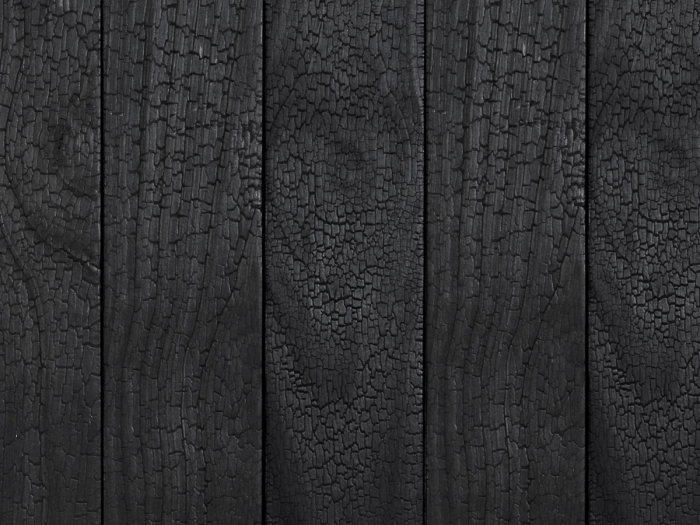
Protecting your beautifully charred shou sugi ban siding is crucial for its longevity and aesthetic appeal. The charring process, while creating a unique look, leaves the wood vulnerable to the elements. Proper finishing not only enhances the visual impact but also significantly extends the lifespan of your siding. Several options exist, each with its advantages and disadvantages.
Finishing Techniques for Shou Sugi Ban Siding
Choosing the right finish depends on your desired aesthetic and the level of protection needed. Some finishes emphasize the natural texture of the wood, while others offer a more durable, weather-resistant barrier. Each option requires different application techniques and maintenance schedules.
- Oil Finishes: Natural oils, such as linseed oil or tung oil, penetrate the wood, enhancing its natural color and providing some water resistance. They allow the wood’s texture to remain visible, creating a more rustic look. However, oil finishes require more frequent reapplication compared to other options.
- Wax Finishes: Wax offers a less durable protective layer than oil but is easier to apply and reapply. It provides a subtle sheen and protects against minor moisture. Wax finishes are best suited for areas with less exposure to harsh weather conditions.
- Sealants: Sealants create a more robust barrier against moisture and UV damage. They are available in various finishes, from clear to semi-transparent to opaque. While offering excellent protection, sealants can sometimes mask the unique texture of the charred wood.
Long-Term Maintenance of Shou Sugi Ban Siding
Shou sugi ban, while naturally durable due to the charring process, still requires regular maintenance to preserve its beauty and longevity. Neglecting maintenance can lead to premature weathering, discoloration, and potential damage. A proactive approach ensures your siding remains stunning for years to come.
Shou Sugi Ban Siding Maintenance Schedule
A regular maintenance schedule is key to maximizing the lifespan of your shou sugi ban siding. This schedule Article recommends cleaning and protective treatment frequencies, offering a proactive approach to siding care. Adjust the frequency based on your local climate and exposure levels.
| Task | Frequency | Details |
|---|---|---|
| Cleaning (gentle wash with water and a soft brush) | Annually or as needed | Remove dirt, debris, and loose material. Avoid harsh chemicals or high-pressure washers. |
| Inspection for damage | Semi-annually | Check for cracks, loose boards, or signs of insect infestation. Address any issues promptly. |
| Reapplication of oil/wax/sealant | Every 2-3 years (oil), every 1-2 years (wax), every 3-5 years (sealant) | The frequency depends on the chosen finish and exposure to the elements. Follow the manufacturer’s instructions for reapplication. |
Design and Application of Shou Sugi Ban Siding
Shou Sugi Ban siding offers a unique aesthetic and durable exterior cladding option. Its versatility allows for integration into a wide range of architectural styles, and its application requires careful planning and execution to ensure longevity and visual appeal. This section explores design considerations and installation techniques for successful Shou Sugi Ban projects.
The striking texture and dark tones of Shou Sugi Ban make it a visually interesting material. Its application can dramatically impact the overall look and feel of a building, offering both modern and traditional design possibilities. Understanding how to effectively integrate it into your design is crucial for achieving the desired aesthetic.
Shou Sugi Ban Siding in Various Architectural Styles
Shou Sugi Ban’s adaptability allows its incorporation into diverse architectural styles. Its versatility stems from the ability to adjust the charring intensity and the finishing process to achieve a range of visual effects.
- Modern Farmhouse: A lighter char, paired with clean lines and large windows, creates a contemporary feel while retaining the rustic charm of a farmhouse.
- Contemporary Minimalist: Deep charring and a matte finish complement the sleek, uncluttered lines of a minimalist design, providing a textural counterpoint to smooth surfaces.
- Rustic Cabin: A more heavily charred, almost blackened, Shou Sugi Ban siding works exceptionally well with natural wood beams and stone accents, enhancing the rustic ambiance of a mountain cabin.
- Traditional Craftsman: A medium char and a clear finish can complement the natural wood detailing and intricate craftsmanship of a Craftsman style home, offering a durable and visually appealing alternative to traditional wood siding.
- Coastal Style: A lighter char, possibly with a gray or whitewash finish, can evoke the weathered look of driftwood, making it a suitable choice for coastal homes.
Shou Sugi Ban Siding Installation Methods
Proper installation is crucial for the longevity and aesthetic appeal of Shou Sugi Ban siding. Several methods can be employed, each with its advantages and considerations.
- Horizontal Lap Siding: This classic method involves overlapping horizontal boards, creating a traditional look. Overlapping provides weather protection. Careful attention must be paid to proper flashing and sealing around windows and doors.
- Vertical Siding: Vertical installation offers a modern and sleek aesthetic. This method often requires more precise cuts and attention to detail to ensure proper water runoff. Vertical installation can highlight the vertical lines of the building.
- Shiplap Siding: Shiplap, with its clean, overlapping joints, offers a clean and modern look. The tight joints help to minimize gaps and improve weather resistance. This style is easily adaptable to both horizontal and vertical installations.
- Board and Batten: This method combines wider boards with narrower battens (strips of wood) to cover the seams, creating a rustic and textured look. This method is ideal for showcasing the natural grain and char variations of the wood.
Shou Sugi Ban Siding on a Modern Home
Imagine a two-story modern home with clean, geometric lines. The exterior is primarily clad in smooth, light gray stucco. However, one wall, perhaps the prominent south-facing wall, is entirely covered in deeply charred Shou Sugi Ban siding, creating a dramatic contrast. Large, black-framed windows punctuate the Shou Sugi Ban wall, showcasing the rich texture of the wood. A minimalist walkway of dark gray concrete leads to the front door, which is framed by a simple, unadorned wooden beam that echoes the dark tones of the siding. The overall effect is a striking blend of modern simplicity and natural, rustic warmth, where the Shou Sugi Ban wall acts as a focal point, highlighting the home’s architectural features.
Environmental Considerations and Sustainability: Shou Sugi Ban Siding
Source: squarespace-cdn.com
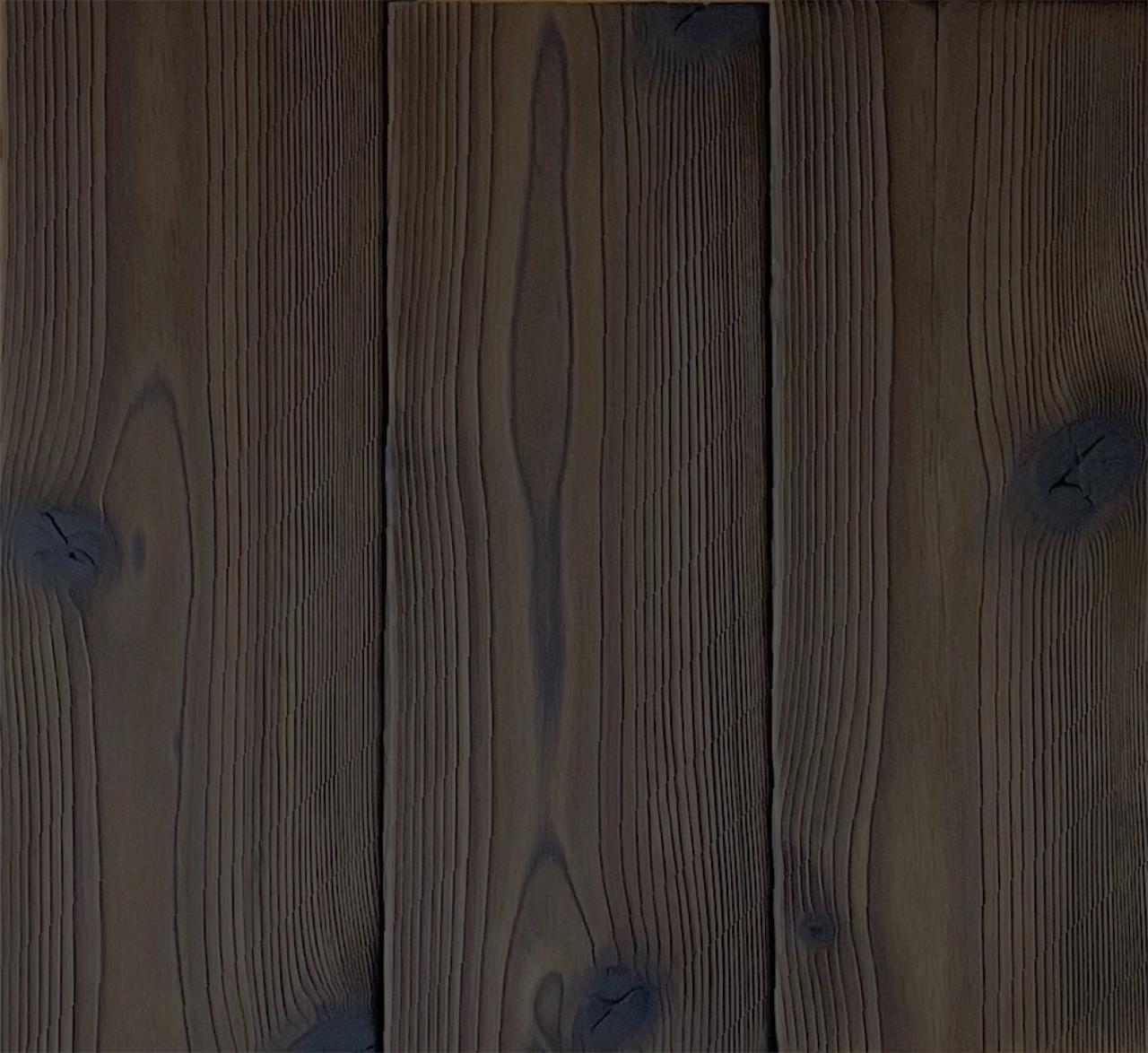
Shou Sugi Ban, while aesthetically pleasing and durable, also offers compelling environmental advantages compared to many other siding materials. Its sustainability stems from the minimal processing required, the use of a readily renewable resource (wood), and its inherent longevity. Let’s delve into the specifics of its eco-friendly aspects.
Shou sugi ban’s environmental impact is significantly lower than many alternatives, particularly those derived from non-renewable sources or requiring extensive energy-intensive manufacturing processes. For instance, vinyl siding, a common alternative, relies on petroleum-based plastics, contributes to landfill waste, and often involves harmful manufacturing processes. Similarly, metal sidings necessitate significant energy consumption during production and transportation. In contrast, shou sugi ban utilizes readily available wood, a renewable resource, and the charring process, while requiring energy, uses far less than the manufacturing of many other siding materials. The longevity of shou sugi ban also reduces the frequency of replacement, minimizing the overall environmental footprint over its lifespan.
Carbon Sequestration in Shou Sugi Ban
Wood, the primary component of shou sugi ban, acts as a significant carbon sink. Trees absorb carbon dioxide from the atmosphere during their growth, storing it within their structure. This carbon remains sequestered in the wood even after harvesting and processing, meaning that the carbon footprint of the siding is offset by the carbon absorbed by the tree during its lifetime. The charring process further enhances the wood’s durability and resistance to decay, extending its lifespan and prolonging the carbon sequestration period. A well-maintained shou sugi ban siding installation can store significant amounts of carbon for decades, effectively reducing atmospheric CO2 levels. Consider a scenario where a 1000 square foot home is sided with shou sugi ban, using wood from sustainably managed forests. The amount of carbon sequestered could be considerable, depending on the wood species and density, providing a measurable environmental benefit compared to other materials.
Sustainable Shou Sugi Ban Practices and Certifications
The sustainability of shou sugi ban is further enhanced by responsible sourcing and processing. Choosing wood from sustainably managed forests, certified by organizations like the Forest Stewardship Council (FSC) or the Programme for the Endorsement of Forest Certification (PEFC), ensures that the material is harvested responsibly, minimizing environmental damage. These certifications guarantee that the wood comes from forests managed according to strict environmental and social standards, promoting biodiversity and preventing deforestation. Furthermore, choosing local wood sources reduces transportation emissions, further lessening the environmental impact. While there isn’t a specific, universally recognized certification specifically for shou sugi ban processing, seeking out suppliers who emphasize sustainable practices, such as using natural oils and finishes, is crucial. This commitment to environmentally friendly processes throughout the supply chain ensures the overall sustainability of the shou sugi ban project.
Cost and Availability of Shou Sugi Ban Siding
Shou sugi ban siding, while offering a unique aesthetic and impressive durability, comes with a price tag that reflects its specialized process. Understanding the cost factors and where to source this material is crucial for any homeowner or contractor considering this option. Let’s break down the cost and availability of shou sugi ban siding, comparing it to other popular siding choices and exploring factors influencing its price.
Generally, shou sugi ban siding is more expensive than standard wood siding options like cedar or pine. The added steps of charring, brushing, and finishing significantly increase labor costs. Compared to vinyl or fiber cement siding, shou sugi ban can be considerably pricier, though the longevity and unique character often justify the higher initial investment. However, the final cost will vary greatly depending on several factors.
Factors Influencing the Price of Shou Sugi Ban Siding
Several factors contribute to the overall cost of shou sugi ban siding. These include the type of wood used, the level of charring desired (affecting the aesthetic and durability), the finishing process (oils, stains, etc.), and the labor costs associated with installation. The geographic location also plays a role, as sourcing materials and skilled labor can vary widely across regions.
For instance, using premium hardwoods like cedar or redwood will naturally be more expensive than using readily available softwoods. A deeper charring process, while creating a more dramatic visual effect, requires more time and expertise, thus increasing the cost. Similarly, applying high-end finishes like natural oils increases the final price compared to simpler, less durable options. Finally, the cost of labor can fluctuate significantly depending on the region and the experience level of the installer. In areas with a high demand for specialized skills, expect higher labor costs.
Sourcing Shou Sugi Ban Siding and Finding Contractors
Finding shou sugi ban siding and qualified installers requires a bit more research than sourcing conventional siding materials. Several avenues exist for sourcing the material and securing installation.
You can source pre-charred shou sugi ban siding from specialized lumber yards or online retailers specializing in exotic or sustainably sourced wood products. Many will offer a range of wood types and charring levels. Alternatively, you can contact contractors who specialize in shou sugi ban installation; they often have established relationships with suppliers and can handle the entire process from material sourcing to installation. It’s important to check the contractor’s credentials and experience to ensure they have the necessary expertise to handle the charring process and apply appropriate finishes. Checking online reviews and requesting references is crucial.
Epilogue

Source: salaarc.com
Ultimately, shou sugi ban siding represents a beautiful and practical choice for homeowners and architects seeking a unique, durable, and environmentally conscious exterior. Its rich history, striking aesthetic, and inherent weather resistance make it a standout option. By understanding the process, from initial wood selection to ongoing maintenance, you can confidently incorporate this remarkable material into your next project, creating a stunning and long-lasting structure.
Question & Answer Hub
Is Shou Sugi Ban siding fire resistant?
While charring reduces flammability, it doesn’t make wood fireproof. It significantly increases its resistance, but proper fire safety measures are still necessary.
How long does shou sugi ban siding last?
With proper maintenance, shou sugi ban siding can last for decades, often outperforming other siding options.
Can I DIY shou sugi ban siding?
While possible, it’s challenging. The charring process requires precision and safety precautions. Consider professional help for large projects.
What kind of wood is best for shou sugi ban?
Cedar, redwood, and other naturally durable softwoods work best. The wood’s density influences the charring process.
How much does shou sugi ban siding cost?
Costs vary based on wood type, charring method, and labor. It’s generally more expensive than vinyl but can be comparable to high-end wood siding.
Comments are closed.