Stone Veneer Exterior A Complete Guide
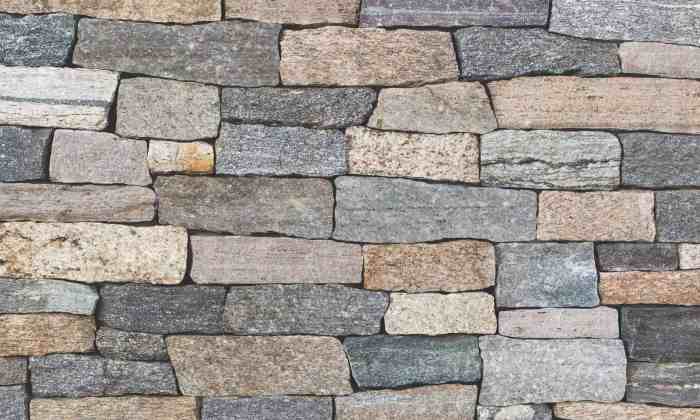
Stone veneer exterior offers a stunning and durable upgrade for any home. This guide dives into everything you need to know, from choosing the right type of stone to understanding the installation process and long-term maintenance. Whether you’re a seasoned DIYer or simply curious about enhancing your home’s curb appeal, we’ll cover the essential aspects of creating a beautiful and lasting stone veneer exterior.
We’ll explore the various types of stone veneer available – natural, manufactured, and thin brick – comparing their costs, durability, and aesthetic qualities. Learn how to select the perfect stone to complement your home’s architectural style and landscaping, and discover practical tips for installation, maintenance, and even budgeting for your project. We’ll also address the environmental impact of different stone veneer options to help you make an informed decision.
Types of Stone Veneer
Source: stone-3.eu
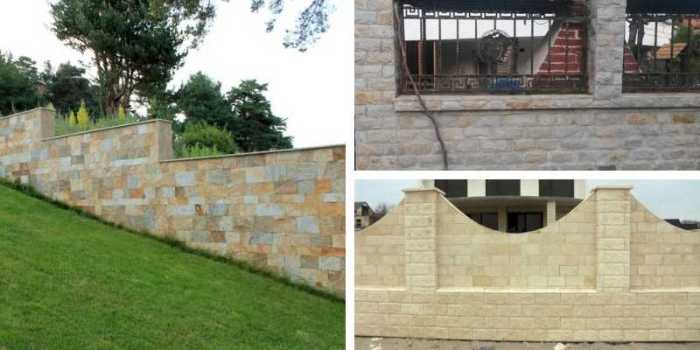
Choosing the right stone veneer for your home’s exterior is a big decision, impacting both the look and the longevity of your project. This section will break down the different types of stone veneer available, helping you make an informed choice. We’ll explore the pros and cons of each, considering factors like cost, durability, and maintenance.
Stone veneer offers a beautiful and durable alternative to traditional brick or siding. It comes in a wide variety of styles and materials, allowing for considerable design flexibility. Understanding the differences between these options is key to selecting the perfect veneer for your home’s aesthetic and practical needs.
Natural Stone Veneer
Natural stone veneer, as the name suggests, is made from genuine stone such as granite, limestone, slate, or fieldstone. Each piece is unique, exhibiting natural variations in color, texture, and pattern. This results in a truly authentic and timeless look. However, this natural variation can also make it challenging to achieve a perfectly uniform appearance. Natural stone is generally more expensive than manufactured alternatives and requires more specialized installation. Maintenance involves periodic cleaning to remove dirt and debris, and potential sealing to protect against water damage. Different types of natural stone will have different levels of porosity and thus different maintenance needs.
Manufactured Stone Veneer
Manufactured stone veneer is created to mimic the look and feel of natural stone. It’s made from a concrete mixture with pigments and aggregates, then molded and cured to resemble various natural stone types. This process allows for consistent sizing, color, and texture, making installation easier and resulting in a more uniform final appearance. Manufactured stone is typically less expensive than natural stone and often requires less maintenance, though periodic cleaning is still recommended. Its durability is generally high, though it might not withstand extreme conditions as well as some natural stones. The aesthetic options are diverse, often offering a wide range of colors and textures to suit various architectural styles.
Thin Brick Veneer
Thin brick veneer consists of real brick that has been significantly reduced in thickness compared to standard bricks used in construction. This reduces weight and installation time, making it a cost-effective option. It offers the authentic look of brick without the bulk and expense of full-sized bricks. Durability is generally high, and maintenance is relatively low, involving occasional cleaning. The aesthetic appeal is undeniably that of traditional brickwork, making it a suitable choice for various architectural styles, particularly those leaning towards a classic or traditional look. However, the thin nature of the brick might make it more susceptible to damage from impacts compared to thicker bricks.
Comparison Table
| Material | Approximate Cost (per sq ft) | Durability | Maintenance |
|---|---|---|---|
| Natural Stone (e.g., granite) | $15-$40+ | Very High | Moderate (sealing may be needed) |
| Manufactured Stone | $8-$20 | High | Low |
| Thin Brick | $10-$25 | High | Low |
| Cultured Stone (a type of manufactured stone) | $6-$15 | Medium to High | Low |
Installation Process
Source: thesurfaceshop.com
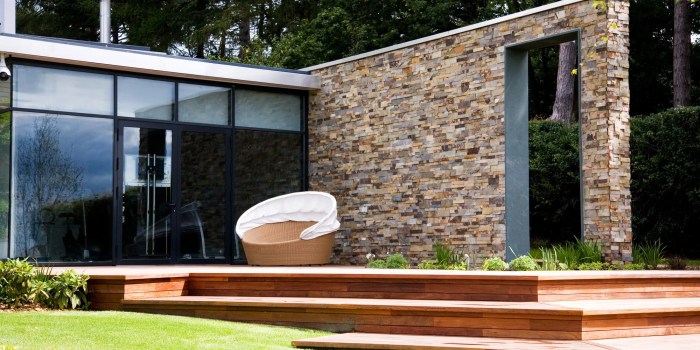
Installing stone veneer is a rewarding DIY project that can dramatically enhance your home’s curb appeal. However, proper preparation and technique are crucial for a long-lasting, professional-looking finish. This section details the necessary steps, tools, and best practices for a successful installation.
Successful stone veneer installation hinges on careful planning and execution. From prepping the surface to applying the final touches, each step contributes to the overall aesthetic and durability of the finished product. Remember, meticulous work now saves you potential headaches later.
Tools and Materials
Before you begin, gather all necessary tools and materials. Having everything readily available streamlines the process and prevents delays. A well-stocked arsenal ensures efficiency and a smooth installation.
- Stone veneer: Choose the type and quantity based on your project’s needs. Consider factors like color, texture, and size for optimal aesthetic results.
- Mortar mix: Select a high-quality mortar specifically designed for stone veneer. Proper mortar is crucial for adhesion and longevity.
- Measuring tape and level: Accurate measurements and level surfaces are paramount for a neat and professional appearance.
- Notched trowel: This tool helps create consistent mortar beds for even stone placement.
- Rubber mallet: Gently tap stones into place without causing damage.
- Safety glasses and gloves: Protecting yourself from dust and potential injuries is essential.
- Mason’s line: Useful for establishing straight lines and consistent heights during installation.
- Wheelbarrow: Provides a convenient way to mix and transport mortar.
- Sponge and bucket of water: For cleaning excess mortar and maintaining a clean work area.
Step-by-Step Installation Guide
Following these steps in order ensures a professional and long-lasting stone veneer installation. Each step builds upon the previous one, so attention to detail is crucial at every stage.
- Surface Preparation: Thoroughly clean the wall surface, removing any loose debris, dirt, or old paint. Ensure the surface is dry and structurally sound. Any imperfections should be addressed before installation to prevent future issues.
- Waterproofing (if necessary): If installing over a substrate prone to moisture, apply a waterproof membrane to prevent water damage. This is especially important in areas exposed to the elements.
- Installing the First Course: Begin at a corner or a visually prominent point. Apply a bed of mortar to the wall, using the notched trowel to create consistent grooves. Place the first course of stones, ensuring they are level and aligned. Use the rubber mallet to gently tap the stones into place.
- Continuing the Installation: Continue applying mortar and placing stones, ensuring proper alignment and spacing. Work in small sections, maintaining a consistent mortar bed thickness. Stagger the joints to create a more natural look.
- Cutting Stones (as needed): Use a masonry saw or grinder to cut stones to fit around corners, windows, or other obstacles. Ensure precise cuts for a seamless finish.
- Grouting and Cleaning: Once the veneer is installed, allow the mortar to cure slightly. Then, fill any gaps or joints with grout, ensuring a consistent finish. Clean excess mortar and grout from the stone surface with a damp sponge.
- Sealing (optional): Applying a sealant can protect the stone veneer from moisture and staining, enhancing its longevity. Choose a sealant compatible with your stone type.
Best Practices for a Professional Finish
These practices will help ensure your stone veneer installation looks its best and lasts for years to come. Paying attention to these details makes a significant difference in the overall outcome.
- Consistent Mortar Application: Maintain a consistent thickness of mortar for even stone placement and prevent gaps.
- Proper Stone Selection: Choose stones with variations in color and texture for a more natural appearance. Avoid overly uniform stone placement.
- Careful Planning: Plan the layout to minimize waste and ensure a visually appealing pattern.
- Regular Cleaning: Regularly clean the stone veneer to remove dirt and debris, maintaining its appearance.
Design Considerations
Choosing the right stone veneer can dramatically enhance your home’s exterior, boosting curb appeal and potentially increasing its property value. The key lies in selecting a veneer that harmonizes with your home’s existing architecture and landscaping, creating a cohesive and visually appealing design. Careful consideration of color, texture, and style will ensure a successful and lasting upgrade.
Stone veneer’s impact on curb appeal and property value is significant. A well-chosen veneer can instantly modernize a dated facade or add a touch of rustic charm to a contemporary home. This increased visual appeal translates directly into a higher perceived value, making it a worthwhile investment for homeowners looking to improve their property’s marketability. Studies have shown that even modest exterior improvements, like stone veneer, can yield a substantial return on investment when it comes time to sell. For example, a recent appraisal in a comparable neighborhood showed a 15% increase in value after the addition of a natural stone veneer.
Stone Veneer Selection for Architectural Harmony
Selecting stone veneer that complements existing architectural features and landscaping involves a holistic approach. Consider the existing color palette of your home, the style of your windows and roofline, and the overall tone of your landscaping. For example, a traditional brick home might benefit from a complementary stone veneer in warm earth tones, while a modern home with clean lines might look stunning with a sleek, light-colored stone. The texture of the stone should also be considered – a rough-hewn stone might suit a rustic design, while a smoother, more polished stone might be better suited for a contemporary style. Matching the stone to the surrounding landscape is also important; a stone that clashes with the natural environment will look out of place.
Exterior Design Examples with Stone Veneer
Below are three distinct exterior designs showcasing the versatility of stone veneer in different architectural styles.
Modern Exterior Design
Imagine a sleek, two-story modern home with clean lines and large windows. The exterior features a combination of smooth, light gray concrete panels and a contrasting dark gray stone veneer accent wall flanking the entryway. The stone is a contemporary style, perhaps a stacked stone with a smooth, almost polished finish. The color palette is minimalist, with accents of black window frames and a muted gray metal roof. The landscaping is equally understated, with low-maintenance plantings and a clean, gravel pathway. The overall effect is sophisticated, modern, and inviting.
Traditional Exterior Design
Picture a charming colonial-style home with white clapboard siding. The stone veneer is used to create a dramatic, yet classic, focal point around the front door and chimney. The stone is a warm, earthy tone, possibly a blend of beige and brown, with a slightly rough texture that complements the traditional style. The color palette is soft and inviting, with white trim, dark brown shutters, and a dark gray roof. The landscaping includes lush green lawns, flowering bushes, and mature trees, creating a welcoming and established feel. The overall image conveys timeless elegance and sophistication.
Rustic Exterior Design
Envision a cozy cabin-style home nestled amongst trees. The exterior is primarily composed of natural wood siding, with a substantial amount of rough-hewn, dark brown stone veneer used for the base of the home and the fireplace. The stone has a highly textured surface, creating a rustic and natural look. The color palette is earthy and warm, with accents of dark brown, gray, and muted greens. The landscaping includes native plants, wildflowers, and perhaps a stone pathway. The overall image exudes warmth, comfort, and a strong connection to nature.
Maintenance and Repair
Stone veneer, while durable, requires regular maintenance to preserve its beauty and longevity. Neglecting upkeep can lead to costly repairs down the line, so a proactive approach is key. This section details the essential maintenance practices and common repair methods for your stone veneer exterior.
Cleaning Stone Veneer
Regular cleaning is crucial for preventing dirt, grime, and mold buildup. A simple solution of mild detergent and water, applied with a soft-bristled brush, is usually sufficient for most cleaning tasks. For stubborn stains, a pressure washer can be effective, but use caution to avoid damaging the mortar or veneer. Always test any cleaning solution on a small, inconspicuous area first. Remember to rinse thoroughly after cleaning to remove all soap residue. Annual cleaning is recommended, with more frequent cleaning in areas with heavy pollution or environmental exposure. For example, a house near a busy road might require more frequent cleaning than one in a rural setting.
Repairing Damaged Stone Veneer
Over time, stone veneer can suffer from damage such as cracks, chips, or loose stones. Minor chips can often be repaired using epoxy mortar matched to the color of your veneer. Larger cracks may require professional attention, potentially involving the replacement of damaged stones. Loose stones should be addressed promptly to prevent further damage or even detachment. This often involves carefully removing the loose stone, cleaning the area, and re-installing it with fresh mortar. For significant damage or extensive repairs, it’s best to consult a qualified mason or stone veneer specialist. A real-life example would be a stone that’s loosened due to freeze-thaw cycles in a cold climate; prompt repair prevents further deterioration.
Preventative Maintenance, Stone veneer exterior
Preventative maintenance extends the lifespan of your stone veneer significantly. Regularly inspect your veneer for signs of damage, such as cracks, loose stones, or efflorescence (white, powdery deposits). Address any issues promptly to prevent them from worsening. Properly sealing any cracks or gaps in the mortar can prevent water penetration, a major cause of damage. Protecting the veneer from physical impacts, such as from lawnmowers or other equipment, is also important. Finally, keeping gutters and downspouts clean and functioning properly diverts water away from the veneer, reducing the risk of water damage. A proactive homeowner might schedule a yearly inspection alongside their annual cleaning, allowing for early detection and repair of minor issues.
Stone Veneer Maintenance Checklist
Regular maintenance is essential for preserving the beauty and integrity of your stone veneer. Here’s a checklist to guide you:
- Inspect the veneer for cracks, chips, or loose stones at least twice a year (spring and fall).
- Clean the veneer annually with a mild detergent and water solution, using a soft-bristled brush.
- Pressure wash (carefully) as needed to remove stubborn stains, ensuring a safe distance and proper nozzle setting.
- Repair any minor damage promptly using appropriate materials, such as epoxy mortar.
- Seal any cracks or gaps in the mortar to prevent water penetration.
- Keep gutters and downspouts clean and functioning correctly to divert water away from the veneer.
- Protect the veneer from physical impacts.
- Consult a professional for significant repairs or damage.
Cost and Budgeting
Source: stone-3.eu
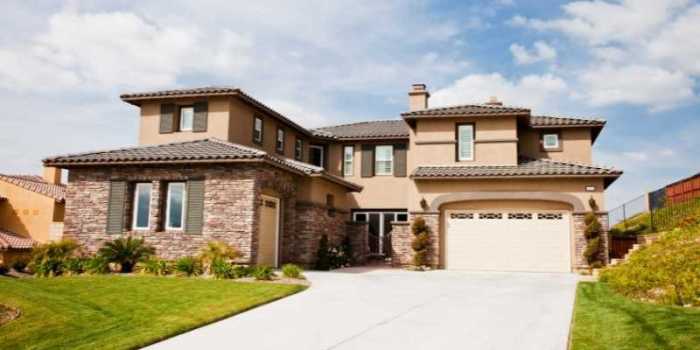
Stone veneer installation isn’t a cheap undertaking, but the long-term aesthetic and value increase it provides often justify the expense. The total cost is influenced by several interacting factors, making careful budgeting crucial before you start. Understanding these factors allows for informed decision-making and avoids unpleasant financial surprises down the line.
Several key factors significantly impact the final cost of your stone veneer project. These factors interact in complex ways, and a thorough understanding of each is essential for accurate budgeting. Ignoring even one can lead to significant cost overruns.
Factors Influencing Stone Veneer Costs
The cost of stone veneer installation is a sum of several key components. Material selection, labor rates, project complexity, and permits all play a significant role in the final price. High-quality materials, extensive labor, or intricate designs will naturally drive up the overall cost. Conversely, choosing less expensive materials and opting for a simpler installation can help reduce the overall budget.
Material Costs
Material costs vary greatly depending on the type of stone veneer chosen. Manufactured stone tends to be less expensive than natural stone, with prices ranging from $8 to $25 per square foot. Natural stone, such as granite, limestone, or slate, can cost significantly more, ranging from $15 to $50 or even more per square foot, depending on the type, rarity, and quality. The quantity needed, dictated by the project’s size and design, directly impacts the overall material expense. Remember to factor in additional materials like mortar, backing, and fasteners.
Labor Costs
Labor costs constitute a significant portion of the overall project expense. The hourly rate for skilled masons varies depending on location and experience. Expect to pay anywhere from $40 to $80 or more per hour. The total labor cost is directly proportional to the project’s complexity and size. Intricate designs or large surface areas will require more labor hours, increasing the overall cost. It’s advisable to obtain multiple quotes from different contractors to compare labor rates and ensure you’re getting a competitive price.
Permit Costs
Building permits are typically required for exterior renovations, including stone veneer installation. Permit costs vary significantly depending on location and the scope of the project. It’s essential to check with your local building department to determine the exact permit requirements and associated fees. These fees can range from a few hundred to several thousand dollars, depending on the project’s size and complexity. Failure to obtain the necessary permits can result in significant fines and potential legal issues.
Sample Budget Spreadsheet
Below is a sample budget spreadsheet outlining potential costs for a stone veneer project. Remember to adjust these figures based on your specific project requirements and location.
| Item | Quantity | Unit Cost | Total Cost |
|————————–|————–|————-|—————|
| Stone Veneer (Material) | 200 sq ft | $20/sq ft | $4000 |
| Mortar | 50 bags | $15/bag | $750 |
| Backing | 200 sq ft | $5/sq ft | $1000 |
| Fasteners | 1000 | $0.10/each | $100 |
| Labor (Mason) | 100 hours | $50/hour | $5000 |
| Permits | 1 | $500 | $500 |
| Contingency (10%) | | | $725 |
| Total Project Cost | | | $12075 |
Environmental Impact: Stone Veneer Exterior
Choosing stone veneer for your home involves considering its environmental footprint. The production, transportation, and eventual disposal of the material all contribute to its overall impact on the planet. Understanding these factors can help you make an informed decision that aligns with your environmental values.
Stone veneer’s environmental impact varies significantly depending on the material’s source, processing methods, and transportation distances. Natural stone, for example, requires quarrying, which can lead to habitat disruption and dust pollution. Manufactured stone, while often more readily available, typically involves energy-intensive manufacturing processes and may contain cement, a significant carbon emitter. Understanding these differences allows for a more environmentally conscious choice.
Sustainable Practices in Stone Veneer Installation and Disposal
Sustainable practices can significantly mitigate the environmental impact of stone veneer. Choosing locally sourced materials reduces transportation emissions, while selecting recycled or reclaimed stone minimizes the demand for newly quarried resources. Proper installation techniques minimize waste, and responsible disposal methods, such as recycling or repurposing, reduce landfill burden. Consider working with contractors committed to sustainable building practices to further reduce your project’s environmental footprint.
Comparison of Environmental Impacts of Stone Veneer Materials
The table below compares the environmental impact of three common stone veneer materials: natural stone (limestone), manufactured stone (concrete), and recycled stone. Note that these values are estimates and can vary based on specific sourcing, manufacturing processes, and transportation distances.
| Material | Carbon Footprint (kg CO2e/m²) | Recyclability | Habitat Disruption |
|---|---|---|---|
| Natural Limestone | 50-150 (highly variable depending on quarrying and transport) | Low (limited reuse opportunities) | Moderate to High (depending on quarrying practices and location) |
| Manufactured Concrete Stone | 70-120 (influenced by cement production and transport) | Low (often ends up in landfills) | Low (minimal habitat impact during production) |
| Recycled Stone | 20-60 (significantly lower due to reduced manufacturing) | High (potential for reuse or recycling) | Negligible (no new quarrying required) |
Final Summary
Source: stoneyard.com
Transforming your home’s exterior with stone veneer is a rewarding project that significantly enhances curb appeal and property value. By understanding the different types of stone, the installation process, and long-term maintenance requirements, you can confidently create a stunning and durable finish. Remember to plan your budget carefully, consider the environmental impact of your choices, and enjoy the process of enhancing your home’s beauty and lasting value. With the right preparation and knowledge, your dream stone veneer exterior is within reach!
FAQ Guide
Can I install stone veneer myself?
While possible for smaller projects, professional installation is generally recommended for larger areas or complex designs to ensure a quality, long-lasting result.
How long does stone veneer last?
With proper installation and maintenance, stone veneer can last for decades, even a century or more depending on the material and climate.
Does stone veneer add value to my home?
Yes, a well-executed stone veneer exterior significantly increases curb appeal and often boosts property value.
What about cleaning stone veneer?
Regular sweeping and occasional pressure washing (low pressure!) will keep your stone veneer looking its best. Avoid harsh chemicals.
Is stone veneer suitable for all climates?
Most stone veneers are weather-resistant, but some materials are better suited to certain climates than others. Consult with a professional for your specific region.
Comments are closed.