Architectural Wood Siding A Comprehensive Guide
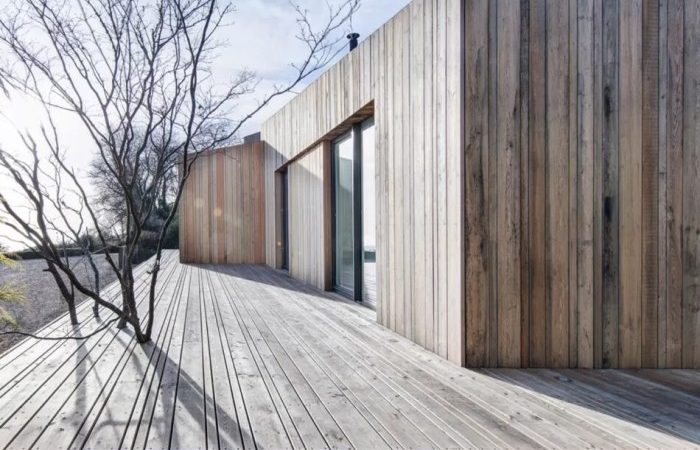
Architectural wood siding offers a timeless and versatile solution for enhancing the exterior of any home. From classic clapboard to modern shiplap, the variety of styles and wood species provides endless design possibilities. This guide explores the diverse world of architectural wood siding, covering everything from installation techniques to long-term maintenance and environmental considerations. We’ll delve into the specifics of different wood types, their unique properties, and how to choose the best option for your project.
Understanding the nuances of wood siding – its durability, aesthetic appeal, and environmental impact – is crucial for making informed decisions. We’ll break down the process of selecting the right wood species, installing it correctly, and maintaining its beauty for years to come. Whether you’re a seasoned builder or a homeowner tackling a DIY project, this guide will equip you with the knowledge you need to successfully incorporate architectural wood siding into your next project.
Types of Architectural Wood Siding
Choosing the right wood siding can dramatically impact your home’s curb appeal and longevity. Understanding the different types available, their characteristics, and suitability for various architectural styles is crucial for making an informed decision. This section will explore several popular options, detailing their profiles, aesthetics, and practical considerations.
Clapboard Siding
Clapboard, also known as bevel siding, is a classic choice characterized by its overlapping, tapered boards. The tapered design allows for efficient water runoff, contributing to its durability. Typical dimensions range from 4 to 8 inches wide and 1/2 to 3/4 inch thick, with lengths varying based on manufacturer and application. Its clean lines and simple profile make it suitable for a wide range of architectural styles, from traditional Colonial to more modern farmhouse designs. The subtle shadow lines created by the overlapping boards add visual texture and depth to the exterior.
Shiplap Siding
Shiplap siding features boards with a rabbeted edge, meaning a groove is cut along one edge that interlocks with the adjacent board. This creates a clean, flush surface with minimal gaps. Shiplap is often wider than clapboard, typically ranging from 6 to 12 inches wide and about 3/4 inch thick. Its clean, modern aesthetic makes it popular in contemporary and coastal designs, although it can also complement more rustic styles. The absence of visible shadow lines provides a smooth, almost monolithic appearance.
Board and Batten Siding
Board and batten siding uses wider vertical boards (boards) with narrower strips (battens) covering the seams. This creates a bold, vertical emphasis. Board widths vary considerably, from 4 to 12 inches or more, while battens are typically 1 to 2 inches wide. The resulting strong vertical lines lend themselves well to both rustic and modern farmhouses, as well as more contemporary designs seeking a textured, visually striking façade. The vertical orientation can also make a home appear taller.
Shingle Siding
Wood shingles offer a more textured, rustic look. They are typically made from cedar, redwood, or other durable wood species. Shingles are available in various sizes and profiles, ranging from hand-split shakes to more uniform machine-cut shingles. They offer a natural, organic aesthetic often associated with traditional or Craftsman-style homes. However, their intricate layering and varied dimensions require more careful installation and potentially higher maintenance compared to other siding types. Shingles can also contribute to a sense of age and character.
Comparison of Wood Siding Types
| Siding Type | Durability | Maintenance | Cost (Relative) |
|---|---|---|---|
| Clapboard | High (with proper treatment) | Moderate | Medium |
| Shiplap | High (with proper treatment) | Moderate | Medium |
| Board & Batten | High (with proper treatment) | Moderate | Medium-High |
| Shingles | Moderate to High (depending on wood type and treatment) | High | High |
Wood Species for Exterior Siding
Choosing the right wood for your exterior siding is a crucial decision impacting both the aesthetic appeal and longevity of your home. The natural variations in wood species mean some are better suited to withstand the elements than others. Understanding these differences will help you make an informed choice. Factors like climate, budget, and desired aesthetic should all be considered alongside the inherent properties of the wood itself.
Different wood species exhibit varying degrees of natural resistance to decay and insect infestation. This resistance is largely determined by the wood’s density, chemical composition, and the presence of extractives that deter pests. Understanding these inherent qualities is key to selecting a siding material that will stand the test of time.
Cedar Siding Characteristics
Cedar, particularly Western Red Cedar, is a popular choice for exterior siding due to its naturally high resistance to decay and insect damage. Its straight grain and relatively soft texture make it easy to work with. Color variations range from a light, yellowish-brown to a rich reddish-brown, depending on the species and age. Cedar weathers gracefully, often developing a silvery-gray patina over time.
Here’s a summary of the pros and cons:
- Pros: Naturally rot-resistant, insect-resistant, aesthetically pleasing, relatively easy to work with, weathers beautifully.
- Cons: Can be more expensive than other options, may require more frequent staining or sealing to maintain color, susceptible to warping or checking if not properly treated.
Redwood Siding Characteristics
Redwood, known for its rich reddish-brown hue, offers excellent durability and resistance to decay and insects. Its tight grain and strength make it a long-lasting siding choice. Redwood’s color deepens with age, developing a more silvery-gray tone over time, similar to cedar. The grain pattern is typically straight, but can sometimes show more pronounced variations depending on the growth conditions.
Here’s a summary of the pros and cons:
- Pros: Exceptionally durable and long-lasting, naturally resistant to decay and insects, beautiful reddish-brown color that weathers attractively, strong and stable.
- Cons: Typically more expensive than other options, can be more challenging to work with than softer woods like cedar, may require periodic maintenance.
Pine Siding Characteristics
Pine is a more readily available and often less expensive option compared to cedar and redwood. While not as naturally resistant to decay and insects as cedar or redwood, pressure-treated pine offers comparable durability. The grain pattern of pine is generally more pronounced than cedar or redwood, and its color ranges from a pale yellow to a light brown. Pine weathers more quickly than cedar or redwood, often developing a gray patina within a few years.
Here’s a summary of the pros and cons:
- Pros: Relatively inexpensive, readily available, easy to work with, accepts paint and stain well.
- Cons: Lower natural resistance to decay and insects compared to cedar and redwood (unless pressure-treated), weathers more quickly, may require more frequent maintenance.
Installation Methods and Techniques
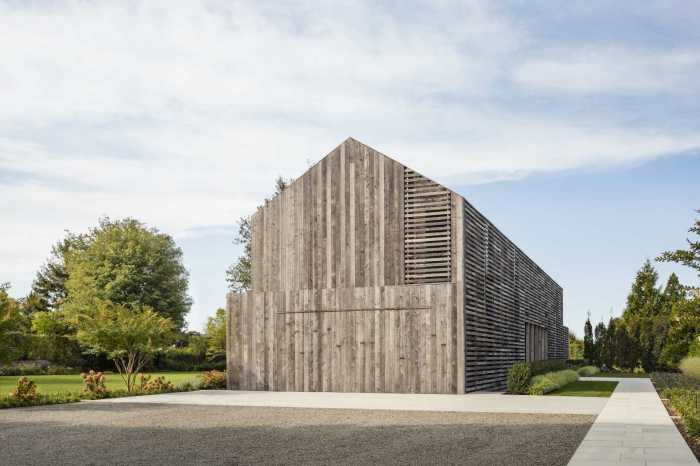
Source: contemporist.com
Installing architectural wood siding requires careful planning and execution to ensure a long-lasting, weather-resistant exterior. Proper preparation of the wall surface is paramount for a successful installation, as is the correct use of tools and techniques for cutting, fitting, and fastening the siding. Paying close attention to detail, especially around windows and doors, will prevent future problems with water intrusion.
Proper Wall Preparation is Crucial for Success. This involves ensuring a clean, dry, and level surface. Any damaged areas of the existing wall sheathing should be repaired or replaced. Loose or deteriorated materials must be removed, and any gaps or cracks should be filled with appropriate patching compound. A moisture barrier, such as housewrap, should be installed over the sheathing to protect the wall from moisture penetration. Finally, furring strips may be needed to create a level surface for the siding installation, particularly if the existing wall is uneven.
Wall Surface Preparation
Before starting the siding installation, the wall must be thoroughly prepared. This includes removing any old siding, cleaning the surface of dirt and debris, and repairing any damaged areas of the sheathing. A level surface is essential for a professional-looking and properly functioning installation. Any imperfections in the wall surface should be addressed before proceeding. This may involve using shims or furring strips to level uneven areas. Finally, the application of a quality housewrap provides a crucial moisture barrier, protecting the wall and the new siding from water damage.
Cutting, Fitting, and Fastening Wood Siding
Accurate cutting and precise fitting are essential for a professional finish. Use a sharp circular saw or miter saw to cut the siding pieces to the correct length. Pre-drilling pilot holes before fastening prevents splitting the wood. Use exterior-grade galvanized nails or screws appropriate for the siding thickness and wood species. Spacing nails or screws correctly, following manufacturer recommendations, is crucial for proper expansion and contraction of the wood with changing weather conditions. Overlapping siding pieces according to manufacturer’s specifications ensures a weathertight seal.
Flashing and Sealing Around Windows and Doors
Proper flashing and sealing are vital for preventing water penetration around windows and doors. Flashing, typically made of metal or rubberized asphalt, should be installed before siding to create a water-resistant barrier. The flashing should extend beyond the window or door frame and overlap with the siding. A high-quality, paintable exterior-grade sealant should be used to seal all joints and gaps between the flashing, the siding, and the window or door frame. Silicone-based or polyurethane sealants are suitable choices. The sealant should be applied in a continuous bead, ensuring complete coverage. For example, around a window, flashing would be installed under the window sill, up the sides, and over the top. Sealant would then be applied where the siding meets the flashing and the window frame.
Maintenance and Preservation of Wood Siding: Architectural Wood Siding
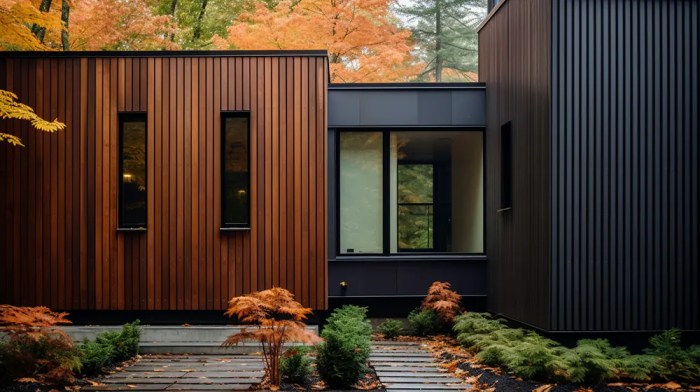
Source: prosuperiorconstruction.com
Proper maintenance is crucial for extending the lifespan of your architectural wood siding and preserving its beauty. Neglecting upkeep can lead to costly repairs down the line, including rot, insect damage, and unattractive discoloration. Regular cleaning and protective treatments are key to keeping your siding looking its best and performing as intended for many years.
Cleaning Wood Siding
Regular cleaning removes dirt, mildew, and other debris that can damage the wood and accelerate weathering. For routine cleaning, a simple solution of mild detergent and water applied with a soft-bristled brush is usually sufficient. Rinse thoroughly with clean water afterward to prevent residue buildup. For tougher stains, consider using a pressure washer, but be cautious not to damage the wood by using too high a pressure or holding the nozzle too close. Always test any cleaning solution on an inconspicuous area first to ensure it doesn’t damage the finish.
Protecting Wood Siding from Moisture Damage
Moisture is the enemy of wood siding. Prolonged exposure to rain, snow, and humidity can lead to rot, mold, and mildew. Properly installed siding with adequate flashing and ventilation is crucial. Consider using a high-quality water-repellent sealant or stain to protect the wood from absorbing excessive moisture. Regularly inspect the siding for any signs of water damage, such as discoloration, swelling, or cracking, and address these issues promptly. Ensure gutters and downspouts are functioning correctly to direct water away from the foundation and siding.
Protecting Wood Siding from Insect Infestation
Wood-boring insects like termites and carpenter ants can cause significant damage to wood siding. Regular inspections are key to early detection. Look for signs of insect activity, such as small holes, sawdust, or frass (insect droppings). Preventative measures include ensuring good ventilation around the siding to reduce moisture buildup, which attracts insects. Consider using a borate-based wood preservative to deter insect infestations. If an infestation is detected, professional pest control is recommended.
Protecting Wood Siding from UV Degradation
Sunlight’s ultraviolet (UV) rays can cause wood to fade, crack, and become brittle over time. A high-quality exterior stain or sealant with UV protection is essential to mitigate this damage. These products contain UV absorbers that help block the harmful rays of the sun, preserving the color and integrity of the wood. Regularly reapply the stain or sealant according to the manufacturer’s instructions to maintain protection.
Preventative Maintenance Schedule for Architectural Wood Siding
A preventative maintenance plan ensures your siding remains in top condition. This schedule Article’s key tasks and their recommended frequency:
| Task | Frequency | Details |
|---|---|---|
| Cleaning | Twice yearly (spring and fall) | Use mild detergent and water, or pressure washer (low pressure). |
| Inspection | Annually | Check for signs of damage, insect activity, or moisture problems. |
| Stain/Sealant Reapplication | Every 2-3 years (depending on product and climate) | Reapply a high-quality exterior stain or sealant with UV protection. |
| Repair | As needed | Repair any damaged or rotten boards promptly to prevent further damage. |
Environmental Considerations and Sustainability
Choosing wood siding involves considering its environmental impact throughout its lifecycle, from forest management to disposal. Sustainable practices are key to minimizing this impact and maximizing the benefits of using this natural material.
The environmental impact of wood siding is complex, encompassing factors like deforestation, carbon sequestration, manufacturing processes, transportation, and eventual disposal or reuse. Responsibly sourced wood minimizes negative environmental effects, while poorly managed forestry practices can lead to habitat loss and soil erosion. Understanding these factors allows for informed decisions that prioritize environmental sustainability.
Sustainably Harvested Wood Benefits
Using wood from sustainably managed forests offers significant environmental advantages. Sustainable forestry practices ensure the long-term health of forests by balancing timber harvesting with reforestation and biodiversity conservation. This contrasts sharply with unsustainable practices that lead to deforestation and habitat destruction. Certified wood, such as that bearing the Forest Stewardship Council (FSC) label, guarantees responsible sourcing and helps protect valuable ecosystems. Choosing sustainably harvested wood reduces the carbon footprint of your siding project and supports responsible environmental stewardship.
Environmental Impact Comparison of Exterior Cladding Materials
The table below compares the environmental impact of wood siding with other popular exterior cladding materials. It’s important to note that these impacts vary depending on the specific material, manufacturing process, and sourcing practices. This comparison provides a general overview for relative assessment.
| Material | Carbon Footprint (relative) | Recyclability | Manufacturing Energy Consumption (relative) | Durability & Maintenance |
|---|---|---|---|---|
| Wood Siding (Sustainably Harvested) | Low to Moderate (depending on species and transportation distance) | Potentially high (depending on condition and local recycling options) | Low to Moderate | Moderate (requires regular maintenance) |
| Vinyl Siding | Moderate to High (due to petroleum-based production) | Low (difficult to recycle effectively) | High | High (low maintenance) |
| Fiber Cement Siding | Moderate (cement production has environmental impact) | Low (difficult to recycle effectively) | Moderate | High (low maintenance) |
| Metal Siding (Aluminum or Steel) | Moderate to High (depending on manufacturing and material sourcing) | High (highly recyclable) | Moderate to High | High (low maintenance) |
Design and Aesthetic Applications
Wood siding offers a remarkable versatility in design, allowing for a wide range of aesthetic expressions that complement diverse architectural styles. Its natural texture and inherent beauty provide a warmth and character unmatched by many other building materials. The choice of wood species, installation pattern, color, and finish all contribute to the overall visual impact and the ability to create a unique and personalized home exterior.
Architectural Styles and Wood Siding
Wood siding is a particularly effective choice for a variety of architectural styles. Its adaptability allows it to seamlessly integrate into designs ranging from rustic cabins to modern farmhouses, and even sleek contemporary homes. For example, traditional styles like Craftsman and Colonial homes often feature horizontal wood siding, emphasizing horizontal lines and creating a sense of solidity and permanence. Rustic styles, such as log cabins and mountain retreats, often use thicker, more textured siding to reinforce the natural, rugged aesthetic. Conversely, contemporary designs might utilize vertical or even diagonal siding patterns with a cleaner, more refined wood species to achieve a minimalist and modern look. The flexibility of wood siding allows architects and homeowners to express a wide spectrum of design intentions.
Visual Impact of Different Siding Installations
The installation pattern of wood siding significantly impacts the visual perception of a building. Horizontal siding, the most common method, creates a sense of width and emphasizes the horizontal lines of the structure. This style is often chosen for its classic appeal and ability to make a house appear larger and more expansive. In contrast, vertical siding creates a feeling of height and elegance, drawing the eye upward and emphasizing the verticality of the building. This can be particularly effective for taller, narrower structures. Diagonal siding, a less common but increasingly popular choice, adds a dynamic and modern element, creating a visually interesting and unique facade. The angle of the diagonal installation can further influence the perceived size and proportions of the house, often lending a sense of movement and energy to the design.
Color and Finish Choices for Wood Siding
The color and finish applied to wood siding are crucial elements in achieving the desired aesthetic effect. A natural, clear finish allows the wood grain and color variations to show through, adding warmth and character. This is often preferred for rustic or traditional styles. Stains, on the other hand, can enhance the wood’s natural tones or add subtle color variations. They offer protection from the elements while maintaining the wood’s texture. Paints offer the most versatility, allowing for a wide range of colors and finishes, from bold and vibrant hues to subtle and muted shades. For example, a dark gray or charcoal paint on a modern home can create a sleek and sophisticated look, while a bright white or cream paint on a traditional home can evoke a classic and timeless feel. The choice of color and finish should always consider the overall architectural style, the surrounding landscape, and the homeowner’s personal preferences. A well-chosen color palette can dramatically enhance the curb appeal and visual impact of a home.
Closure
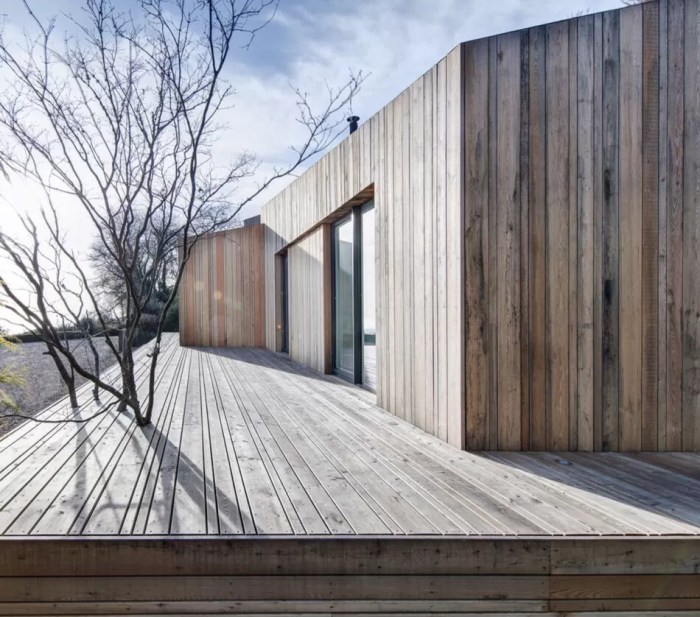
Source: accoya.com
Architectural wood siding offers a unique blend of natural beauty, durability, and sustainability. By carefully considering the various factors discussed – from choosing the right wood species and installation techniques to implementing a proactive maintenance plan – you can ensure your siding enhances your home’s aesthetic appeal and longevity. Remember to prioritize sustainable sourcing and responsible installation practices to minimize environmental impact. With the right planning and execution, your architectural wood siding investment will pay dividends in both curb appeal and lasting value.
Quick FAQs
What is the average lifespan of wood siding?
With proper maintenance, wood siding can last 30-50 years or more. Lifespan varies greatly depending on the wood species, climate, and maintenance practices.
How much does architectural wood siding cost?
Costs vary significantly based on the type of wood, installation complexity, and region. Expect a range from a few thousand to tens of thousands of dollars for a complete project.
Can I install wood siding myself?
While possible for some, professional installation is generally recommended for a quality, long-lasting result. Improper installation can lead to water damage and other issues.
How often should I clean my wood siding?
A yearly cleaning with a mild detergent and water is usually sufficient. More frequent cleaning might be needed depending on your climate and environment.
What are some common problems with wood siding?
Common issues include rot, insect infestation, and fading due to sun exposure. Regular maintenance and preventative treatments can mitigate these risks.
Comments are closed.